 Sedona AZ
Garbage disposal repair and replacement
Garbage Disposal Jammed, Humming or Leaking in Sedona, AZ? Get It Fixed or Replaced
When you call about a disposal, dispatch asks a few simple questions: does it hum, does it do nothing, does it leak and how old is it? The answers decide whether the plumber brings a wrench for a jam or a new unit for a cracked housing. This page explains each problem, the usual fix and when replacement is the better choice.
- Licensed and insured plumbers
- Same-day service when available
- 24/7 emergency dispatch
Talk to dispatch now
Describe the problem and a plumber serving your area will be lined up.
(928) 766-1925Call (928) 766-1925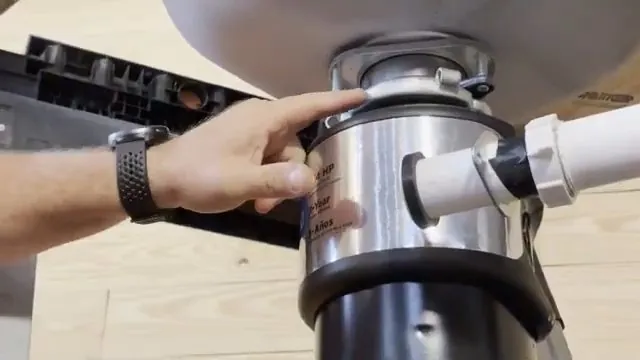
Disposal replacement or installation
A disposal that leaks from its housing, has a rusted shell or is more than a decade old is a candidate for replacement. New units differ in motor power, grinding stages and noise. A larger motor handles tougher scraps and jams less, while a quiet model adds insulation around the shell.
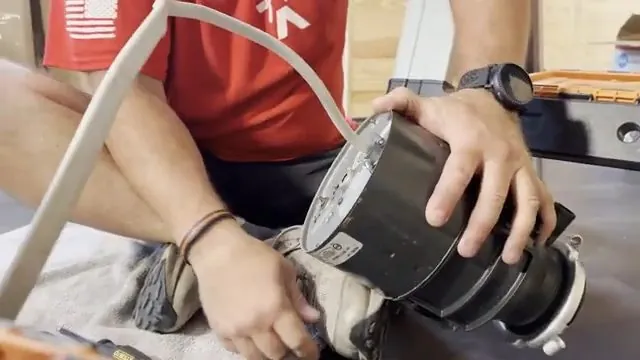
Installation is a few connections: mounting the flange under the sink, attaching the unit, linking the drain and, for a dishwasher, opening the knockout plug. A new disposal in a kitchen that never had one also needs a switch and an outlet, which may involve an electrician.
Disposal repair: hum, jam and dead motor
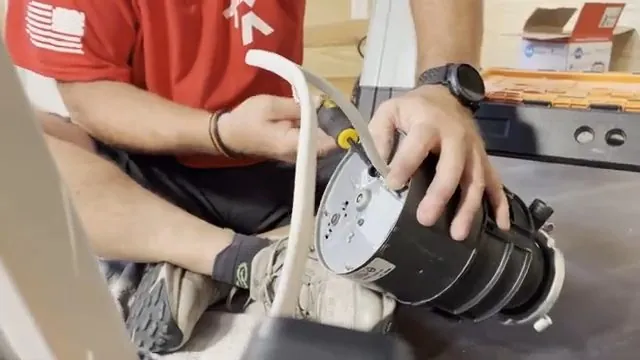
A disposal that hums but does not spin is jammed. A plumber frees it by turning the shaft with a hex key from underneath, then clears the obstruction. A unit that is silent and dead often has a tripped reset button on the bottom or a lost electrical connection.
| What it does | Likely cause |
|---|---|
| Hums but will not spin | Jam; something lodged between the impellers |
| Silent, no hum | Tripped reset, failed switch or no power |
| Spins but grinds poorly | Dull or worn grinding parts |
| Rattles or clanks | A foreign object such as a utensil or bottle cap |
| Smells bad | Food residue in the chamber or splash guard |
Never put a hand in the chamber. The plumber turns the shaft with a tool and removes anything stuck with tongs.
Disposal dead or leaking? Call and get it handled
Say whether it hums, drips or does nothing at all. Dispatch will line up a plumber.
Leaks from the disposal: housing, flange or drain
A leaking disposal drips from one of a few places. A leak at the top usually means the flange seal or mounting has loosened, and that is often repairable. A leak at the side points to the dishwasher connection or the drain outlet. A leak from the bottom or through the shell means the housing has failed and the unit needs to be replaced.
Dry the area, run water, and watch where the first drop forms, since a unit that does not run properly is often leaking before it stops. Telling dispatch where the drip starts speeds up the diagnosis.
Clogged or backed-up sink with a disposal
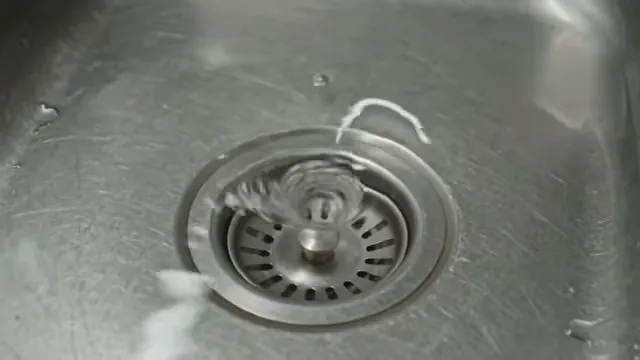
A sink that fills with water and drains slowly is often a blockage past the disposal, not inside it. Grease, starch and fibrous waste can build up in the drain line downstream. A plumber clears the line with a cable, and a repeat clog suggests a deeper issue.
If a toilet gurgles or backs up at the same time as the sink, the cause is further down the line. For a backup that involves more than one fixture, see drain cleaning. Water that has reached the cabinet floor may call for a look at the supply lines as well.
The dishwasher connection
A dishwasher drains through the disposal in many kitchens, so a blockage in one can show up in the other. If the dishwasher leaves standing water, or if water from the sink flows into the dishwasher, the drain hose or air gap may be the cause. A plumber checks the connection, the knockout plug and the drain path.
Replacing a disposal means reconnecting the dishwasher hose. It should be fitted with a high loop or an air gap so wastewater cannot flow back into the dishwasher.
What a disposal visit looks like
- You describe the problemSay whether the unit hums, drips, jams or does nothing, and how old it is.
- The plumber diagnoses itThe unit is checked from below and above, along with the drain and the supply lines.
- Repair or replaceIf a jam or loose seal is the cause, it is fixed on the spot; if the housing has failed, replacement is the answer.
- Test and clean upThe sink is run, the connections are checked for drips and the cabinet is left tidy.
Keep the owner manual or the model number nearby, since it shortens the search for parts. Most disposal visits are short. The main variable is whether the unit can be saved, and a plumber can usually tell within minutes.
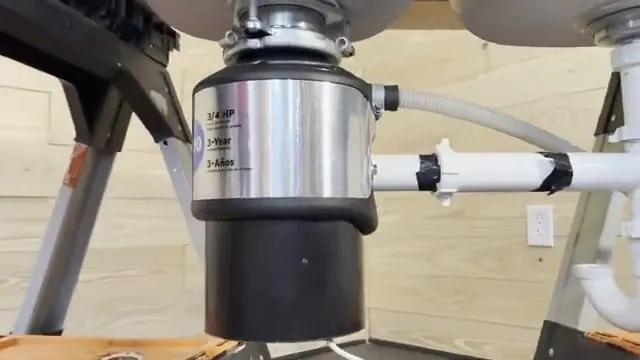
Choosing a replacement unit
Disposals come in several motor sizes, from entry-level to heavy-duty. A household that cooks a lot and generates plenty of scraps benefits from a stronger motor and more grinding stages. A small kitchen with light use does fine with a mid-range model.
- Motor size sets how well tough scraps are handled.
- Noise insulation matters in an open-plan kitchen.
- Continuous-feed models run while you feed them; batch-feed models run with a stopper in place.
- Stainless grinding parts resist corrosion better than budget alternatives.
Whatever the model, confirm that it fits the sink flange and the space under the sink. Ask whether the old mounting parts can be reused.
What goes down a disposal, and what should not
A disposal is built for soft food waste, not a trash can. Fibrous items such as celery and corn husks tangle, starchy items such as rice and pasta swell, and grease cools and coats the pipes. Bones, pits, coffee grounds in volume and anything non-food cause jams or clogs.
- Run cold water before, during and after use.
- Feed small amounts at a time.
- Keep grease and oil out of the sink.
- Never drop in glass, metal or plastic.
- Skip harsh chemical cleaners, which can damage the seals.
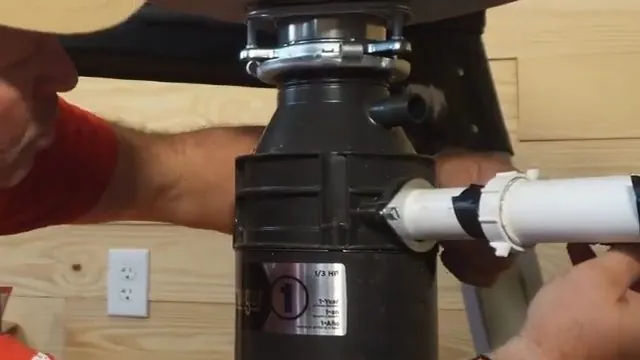
Replacing an old disposal?
A visit can also check the trap and supply lines under the sink.
Homes on septic, older plumbing and other cautions
If your home uses a septic system, ask before adding or heavily using a disposal, since food solids add load to the tank. Homes on town sewer have no such limit but still benefit from moderate use. Older homes with narrow or corroded drain pipe can clog more easily and may need the line checked.
A visit to replace the disposal is a good moment to look at the trap, the supply lines and the sink drain. For a leak that has no obvious source, see leak detection, and for faucet or sink repairs nearby, see faucet and fixture repair.
Garbage disposal trouble in Sedona? Call dispatch now
Dispatch is open 24 hours a day. Tell them what is happening and a plumber serving your area will be lined up.
- Licensed and insured plumbers
- Same-day service when available
- 24/7 emergency dispatch