 Sedona AZ
Drain cleaning and clogs
Clogged or Backed-Up Drain in Sedona, AZ? Get It Cleared and Checked
A drain that clears for a day and clogs again was never fixed. Pouring a bottle of liquid opener down the line may move the problem a few feet, but the cause is usually further down, in grease, scale, hair, paper or a root. This page explains how drain cleaning in Sedona works, which tool suits which clog and when a camera should look first.
- Licensed and insured plumbers
- Same-day service when available
- 24/7 emergency dispatch
Talk to dispatch now
Describe the problem and a plumber serving your area will be lined up.
(928) 766-1925Call (928) 766-1925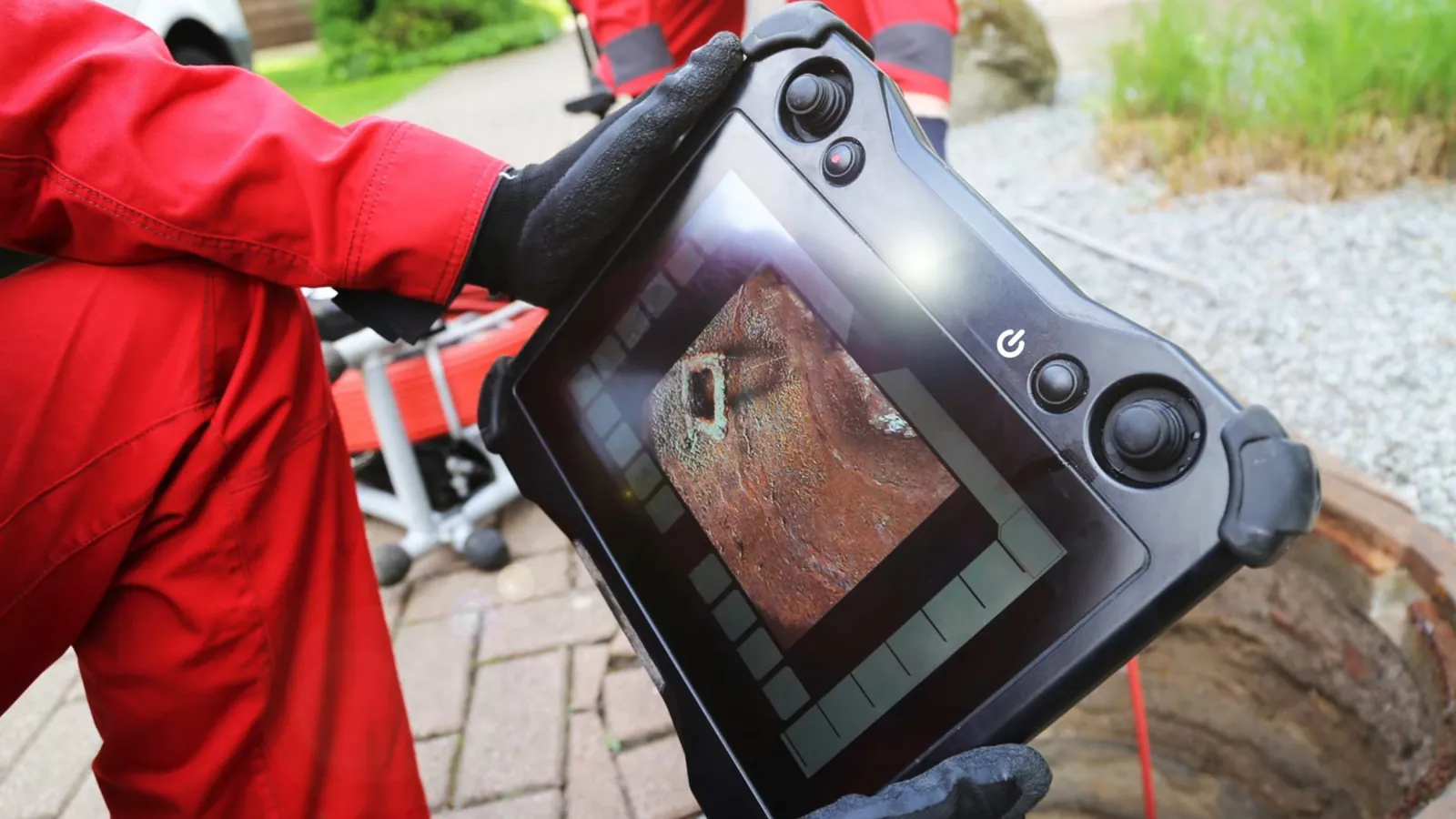
Slow, gurgling or backed up: what the symptom tells you
The way a drain misbehaves points to where the blockage sits. One slow sink usually means a clog in that fixture or its branch line. Several fixtures slowing down together, or a toilet that bubbles when the washer drains, suggests the main line.
| What you see | Where the clog probably is |
|---|---|
| One sink or tub drains slowly | The trap or branch line for that fixture |
| Gurgling after a flush or a washer cycle | A partial blockage further down the line |
| Water comes up in a tub or floor drain | The main line, below the lowest fixture |
| Odor coming from a drain | Buildup in the trap or a dry or damaged trap seal |
| Every fixture in the house is slow | The main line or the sewer lateral |
Stop using water when you see a backup. Every flush or load of laundry adds water that has nowhere to go.
Drain cleaning service: what actually gets cleared
Good drain cleaning removes the blockage and then checks that the line is open all the way to the main. A plumber serving your area starts with the simplest tool that will work, then moves to a stronger one only when needed. That keeps the job short and avoids stressing old pipe.
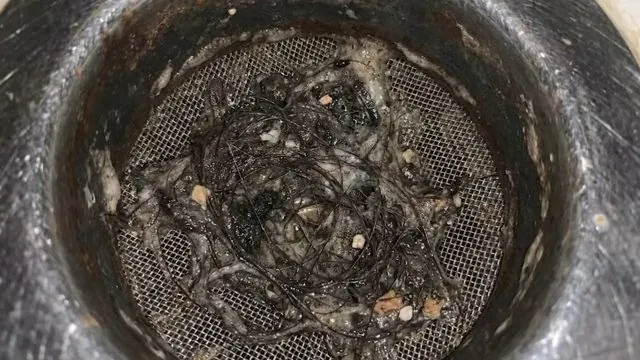
Clog removal is only half the job, and a stubborn drain may need a hydrojet pass or a tool to unclog it fully. Ask what the plumber found, not only what was cleared. A mass of grease points to kitchen habits, a ball of hair points to a shower trap, and a wad of roots points to a damaged line that will clog again.
Drain backing up right now? Call and stop the spill
Stop running water and call. Dispatch is open at every hour.
Snaking and rooter work for ordinary clogs
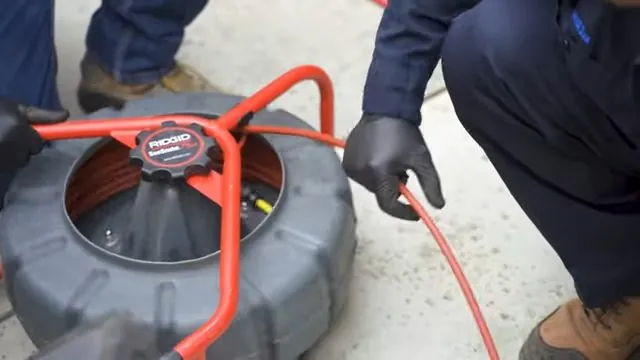
Snaking, sometimes called rooter service, runs a flexible cable with a cutting head into the pipe. It breaks through hair, soap and paper, and it clears most single-fixture clogs and many main-line blockages. A powered auger handles larger lines, and a hand cable handles a sink trap.
The limit of a cable is that it punches a hole through the clog rather than scouring the wall of the pipe. If the line fills up again within a few weeks, the buildup left on the pipe wall is probably the problem, and a stronger method is the next step.
Hydro jetting for grease, scale and roots
Hydro jetting pushes high-pressure water through the line to scrub the pipe walls clean. It suits grease buildup in kitchen lines, scale and sludge in older drains and fine roots that a cable leaves behind. A camera look beforehand confirms the pipe can take the pressure.
Jetting is not right for every drain. A cracked or collapsed pipe needs repair instead, and the plumber should say so rather than force more water into it.
Kitchen sinks, toilets, tubs and showers
A kitchen sink clogs differently from a bathroom drain. Grease and food solids cool and harden inside the line, so a kitchen clog is often a coating that grows over months. Tub and shower drains clog with hair and soap film, and a toilet clog is usually paper or something that should never have been flushed.
For a toilet, a closet auger clears most blockages without lifting the bowl. If a toilet or tub backs up along with other fixtures, treat it as a main-line problem. Restaurant and shop kitchens carry grease loads of their own, and the commercial plumbing page covers that side.
Main line backups and what a camera shows
A main line backup is the most disruptive kind of clog, because it floods the lowest fixtures first. A camera on a flexible cable shows the actual pipe, including roots entering at a joint, a sagging section, a break or a heavy coating. That picture decides whether cleaning is enough or the line needs repair.
Roots tend to return where they found a way in. If the camera shows a failed joint, plan on a fix, not only a clearing. The sewer line repair page explains the repair and replacement choices.
Floor drains, basements and yard drainage
Floor drains in garages, laundry rooms and basements catch whatever the house sends down, so they clog with lint, sediment and debris. A blocked floor drain that backs up in a basement is worth treating as a main line warning, since it sits low in the system. Bathtub drains behave differently, clogging with hair and soap that a small hand tool can usually pull out.
Yard drainage, French drains and storm drains are a different job from household drain cleaning. Water that collects around a foundation points toward grading and drainage work, and a plumber can tell you whether the problem belongs on a plumbing or a landscaping crew. Restaurants and commercial kitchens add grease traps and kitchen exhaust lines to the mix, which is why the commercial page treats them separately.
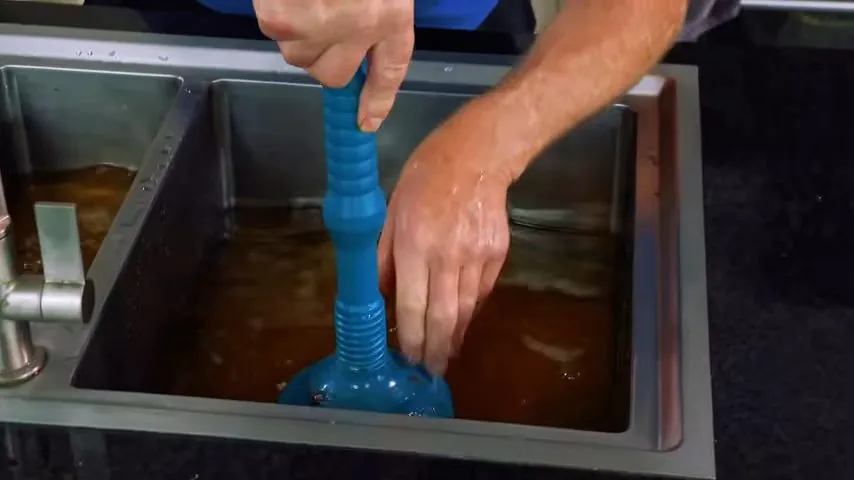
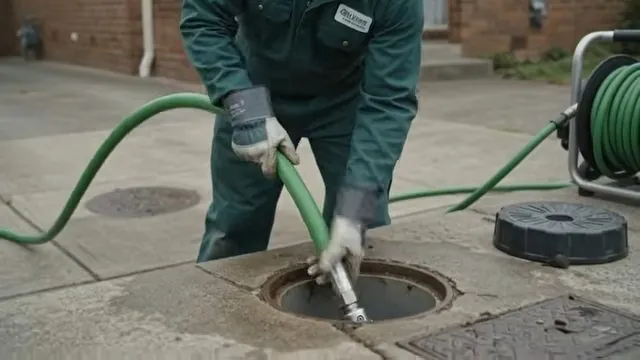
If a clog needs unclogging beyond what a plunger can do, call before it becomes a backup. Hydrojetting and cable work both handle blocked lines, and a camera confirms the result. Mainline blockages and sewage backups need the quickest response, since they can spread across the floor.
Drain pipe repair and old cast iron
Older homes may carry cast iron, clay or even Orangeburg drain pipe. Cast iron rusts from the inside and narrows, clay cracks at joints and Orangeburg, a fiber pipe, softens over time. Each of these catches debris and invites roots.
Repair choices range from replacing a short section to lining the pipe. A camera inspection is the starting point, since it shows how long the damaged stretch really is.
Sump pump or ejector pump, if your home has one
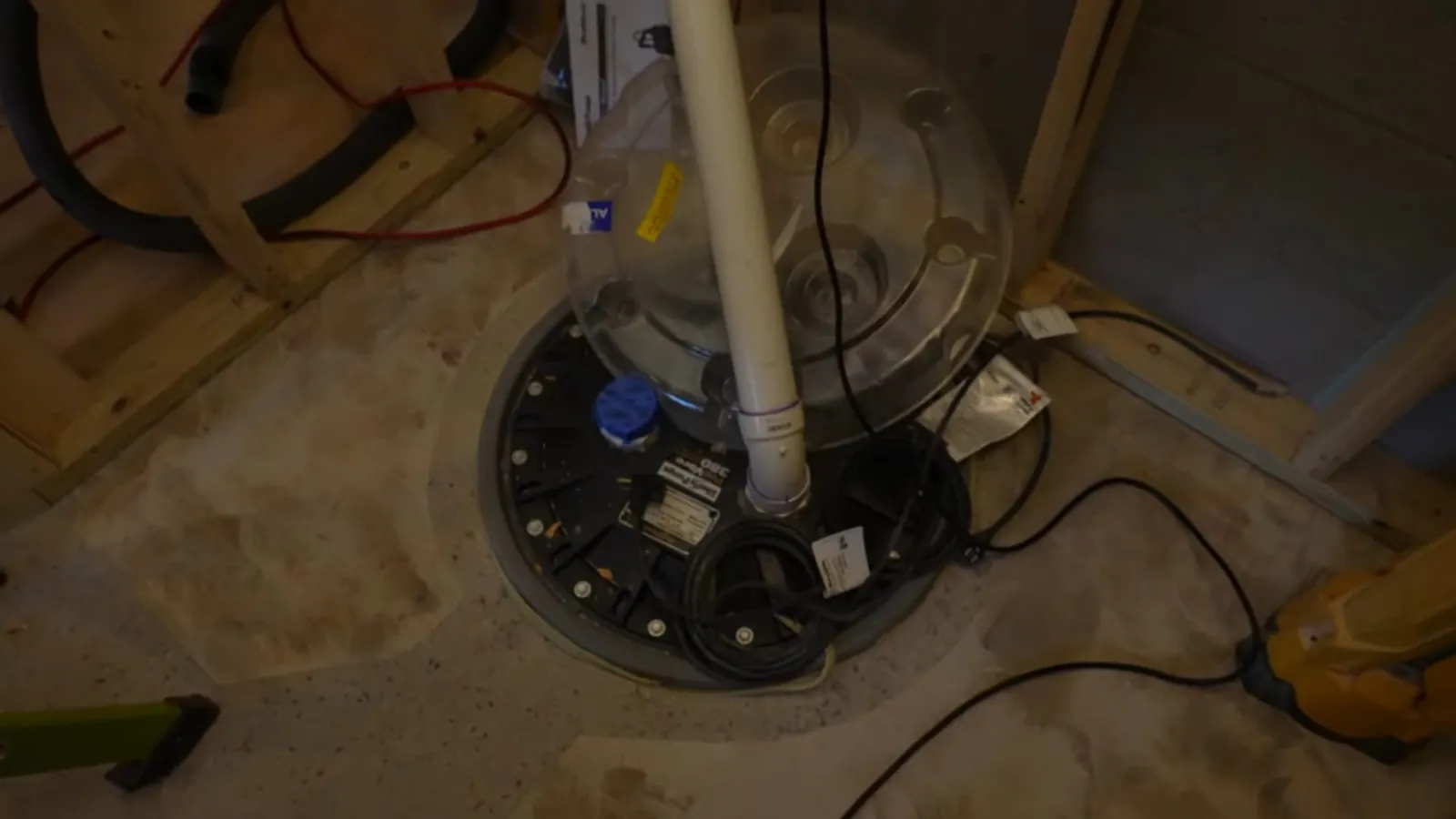
A sump pump moves groundwater out of a pit, and an ejector pump lifts wastewater from a below-grade bathroom to the sewer. Many homes have neither, and this section applies only if yours does. If the pump runs constantly, never runs, makes a grinding noise or has a float that sticks, call before the pit overflows.
Installation, repair and replacement of a sump or ejector pump are handled through dispatch like any other drain job. Mention the pit and the pump when you call so the right parts arrive with the plumber.
Questions worth asking before you approve a drain job
- What did the camera or cable find, and can I see it?
- Is this a clearing job or does the pipe need repair?
- Why this method, and what are the alternatives?
- What should I change at home to prevent a repeat?
A clear answer to each question tells you whether the plumber is solving the cause or only the symptom. It also gives you a basis for comparing a quote against another.
Clog keeps coming back? Have the line looked at
A camera inspection shows whether cleaning is enough.
Keeping drains clear between visits
A few habits cut down on repeat visits. Keep grease out of the kitchen sink, use a hair catcher in showers and flush only toilet paper. If a drain smells or slows, deal with it early, since a small clog costs less and is easier to handle than a backup.
Leak work can overlap with a drain job, and leak detection applies when a drain line also leaks. Also see the cost page for what moves a quote and the FAQ page for common questions.
Need a clogged drain cleared in Sedona? Call now
Dispatch is open 24 hours a day. Tell them what is happening and a plumber serving your area will be lined up.
- Licensed and insured plumbers
- Same-day service when available
- 24/7 emergency dispatch