 Sedona AZ
Commercial plumbing
Restaurants, Shops and Offices in Sedona, AZ: Repairs, Drains and Maintenance
When a business calls about a plumbing problem, dispatch asks what kind of property it is, whether the problem is stopping operations and who the contact on site will be. Those answers decide whether a plumber arrives with a drain machine, a water heater part or a camera. This page describes the commercial work dispatch handles and how it differs from a house call.
- Licensed and insured plumbers
- Same-day service when available
- 24/7 emergency dispatch
Talk to dispatch now
Describe the problem and a plumber serving your area will be lined up.
(928) 766-1925Call (928) 766-1925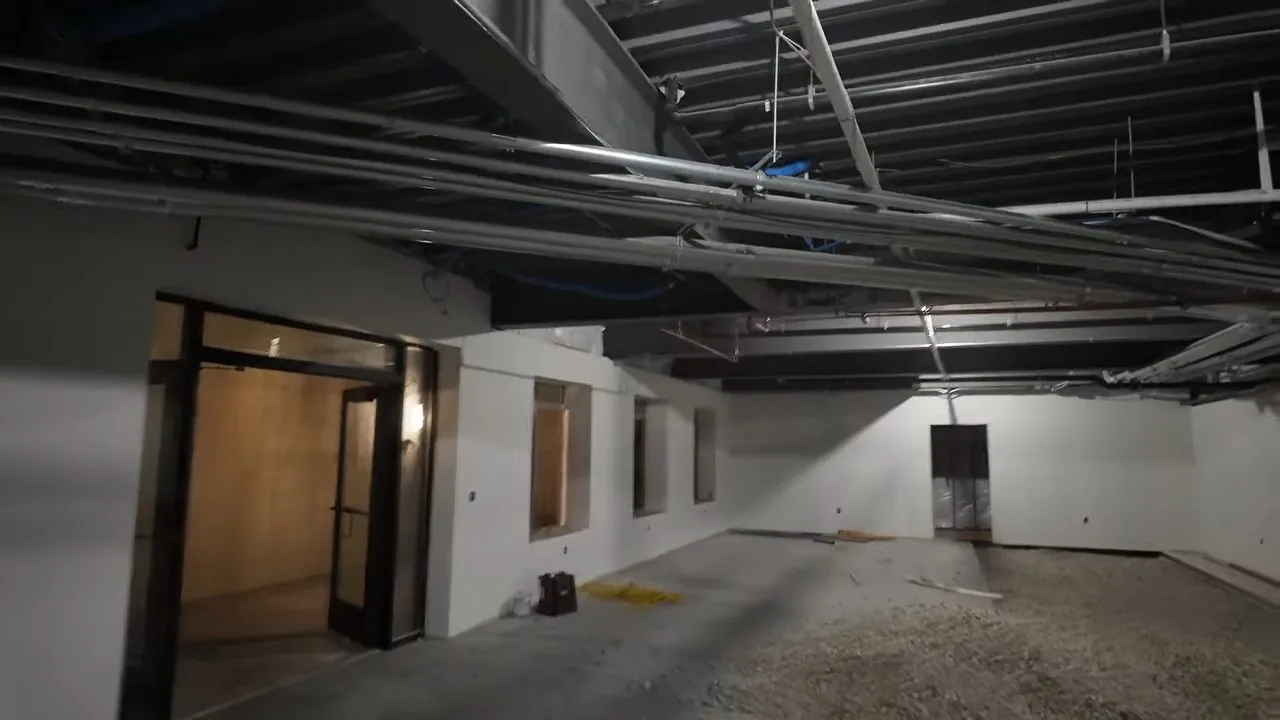
What commercial plumbing covers
Commercial plumbing covers the same trades as residential work, at a different scale and with different constraints. Pipes are larger, fixtures are more numerous and the building cannot always close while repairs happen. Restaurants, shops, offices, salons, hotels and multifamily buildings each have their own patterns.
Drains, leaks, water heaters, fixtures and gas piping for these properties are handled by a plumber serving your area. Scheduled work and urgent calls both go through dispatch, with a same-day visit possible when the schedule allows.
Maintenance contracts and planned visits
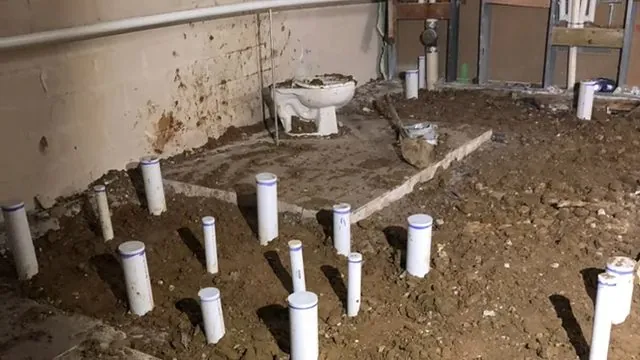
Planned maintenance prevents the emergency call. A schedule of inspections can catch a slow drain, a worn valve or a failing water heater before it stops the business. The terms of a maintenance arrangement are set when you speak with dispatch, and they depend on the building and the work.
- Drain and floor drain cleaning on a schedule
- Water heater and boiler checks
- Backflow and shutoff valve inspection
- Fixture and flush valve repairs across restrooms
- Leak checks on exposed piping
Kitchen drain backing up in the middle of service? Call now
Tell dispatch it is a business and what has stopped working.
Grease traps and kitchen drains
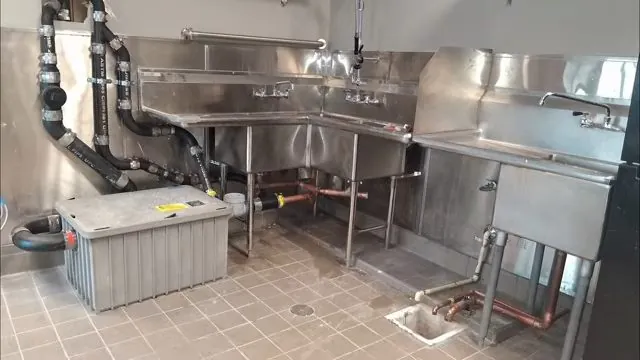
A restaurant kitchen sends grease, starch and food solids into its drains all day. A grease trap catches fats before they reach the sewer, and it must be cleaned on a regular cycle to work. A full trap sends odor and slow drainage back into the kitchen, and a neglected one can cause a backup in the middle of service.
Kitchen exhaust and floor drains add their own needs. The plumber clears and inspects the lines, and it helps to keep a log of cleanings in case a local inspector asks for it.
Hydro jetting and drain cleaning for commercial lines
Commercial drain lines are long and carry heavy loads, so a cable alone often leaves buildup behind. Hydro jetting scours the walls and clears grease and scale that cable work misses. A camera inspection before and after confirms the result and shows the condition of the pipe.
For the methods in detail, see drain cleaning, which explains cable work and jetting for ordinary clogs.
Water heaters for commercial use
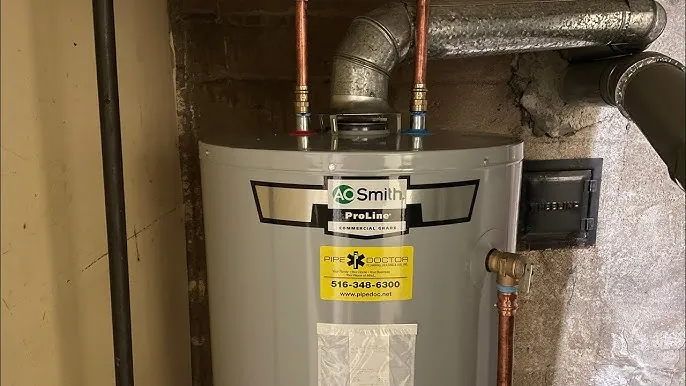
A commercial water heater serves many more people than a home one. It may be a large tank, a bank of tankless units or a boiler, and its failure can close a kitchen or a salon. A plumber checks the temperature, the controls, the venting and the expansion control, and plans replacements around the building schedule.
Tell dispatch what the equipment is, how old it is and how hot the water must be for the business. See water heater replacement for the replacement process.
Leak detection in occupied buildings
Finding a leak in a building that stays open takes planning. Acoustic and thermal tools work without opening walls, and a pressure test isolates sections of the system. The plumber works around business hours where possible and keeps access to the leak small.
Unnoticed leaks run up water bills and damage ceilings and stock. The leak detection page describes the tools in more detail.
Burst pipes, slab leaks and sewer trouble in larger buildings
Pipe, slab and sewer failures in commercial buildings are disruptive and costly. A burst pipe above a ceiling can soak inventory, and a sewer backup can close a restroom or a whole floor. The first steps are the same as at home: stop the water, isolate the section and call.
Dispatch treats an active leak or backup as urgent, and the sewer line page explains the repair options. For water that has already spread, see water damage restoration.
Multifamily, apartments and light industrial properties
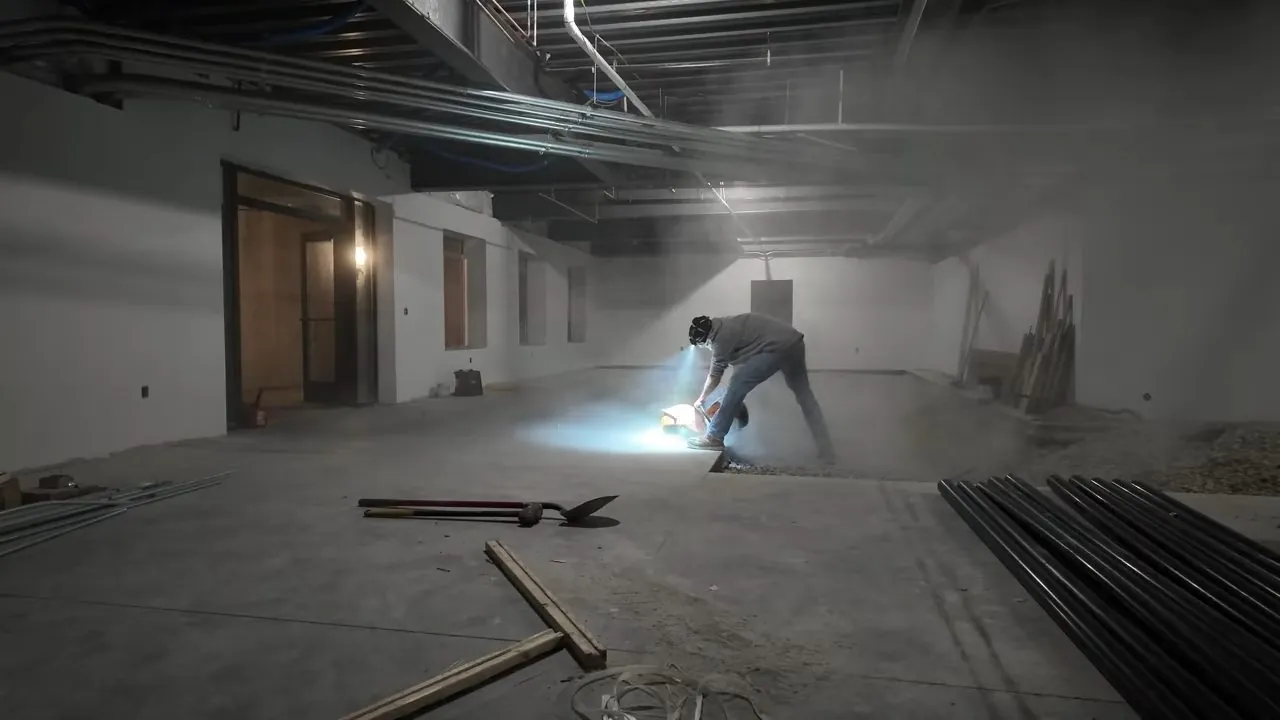
Apartment buildings and light industrial sites add shared risers, many tenants and long pipe runs. A problem in one unit can affect others, so tenants, managers and owners need clear communication. Cold storage and industrial spaces add drains, process water and special fixtures.
Keep a current floor plan of the plumbing too, with marked cleanouts, valves and water heater locations. A manager who knows the building layout, the shutoff locations and the units on each riser can save the plumber a lot of time. Keep that information in one place and share it with dispatch when you call.
What dispatch needs to know when a business calls
- The type of property and what it is used for
- What has stopped working and whether the business is open
- Whether anyone on site can shut off the water or gas
- Access details, such as hours, keys or security
- Who is authorized to approve the work
Having those details ready shortens the first call. A property manager who keeps them in a single sheet can hand them over in one go. If a tenant reports the problem, the manager should still be the contact for approval.
Restrooms, flush valves and fixtures in volume
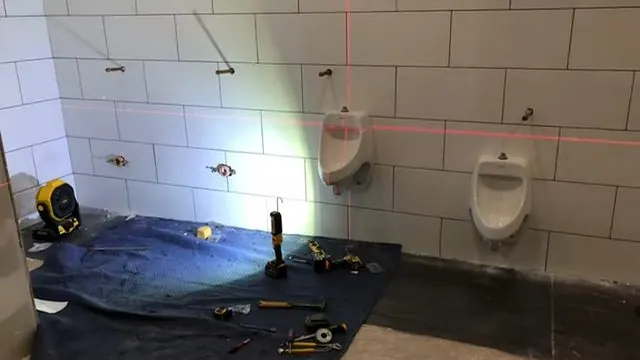
A commercial restroom has many fixtures in a small space, and customers notice every failure. Flush valves wear, urinals clog and faucets drip. Repairing them on a schedule keeps the space working and prevents the long wait for parts during busy periods.
For single-fixture work, see faucet and fixture repair, which describes how a plumber approaches each type of fixture.
Water treatment, ice machines and cold storage
Businesses with ice machines, coffee equipment or a salon often need filtration, a softener or a reverse osmosis system to protect equipment and taste. The softener and filtration page explains the options. Cold storage and walk-in coolers add drains and condensate lines that need their own checks.
A contractor or property manager coordinating several trades should tell dispatch which jobs overlap. Neighborhood retail strips and shared buildings add questions about who is responsible for each line.
Planning maintenance instead of waiting for a failure?
Ask dispatch about scheduled visits for your building.
Permits, response area and working with dispatch
Larger commercial work usually needs a permit through the building office that serves the property. Incorporated towns keep their own offices, and unincorporated sites permit through Yavapai County. The plumber should say whether a permit applies and who handles it.
Dispatch works from Sedona to the Verde Valley, and drive times range from about 23 to 32 minutes to the surrounding towns, with Cornville about 10.5 miles away. The cost page lists what raises or lowers a commercial quote.
Commercial plumbing problem in Sedona? Call dispatch
Dispatch is open 24 hours a day. Tell them what is happening and a plumber serving your area will be lined up.
- Licensed and insured plumbers
- Same-day service when available
- 24/7 emergency dispatch