 Sedona AZ
Leak detection and repair in Sedona
Emergency Leak Repair in Sedona, AZ: Find the Source, Stop the Water
The water meter keeps creeping even though every tap is closed, or a stain has appeared on a ceiling that was clean last week. Either one points to a plumbing leak, and the leak is almost never where the damp spot shows up. Dispatch can send a plumber serving your area to locate the source and fix it, with same-day service when available.
- Licensed and insured plumbers
- Same-day service when available
- 24/7 emergency dispatch
Talk to dispatch now
Describe the problem and a plumber serving your area will be lined up.
(928) 766-1925Call (928) 766-1925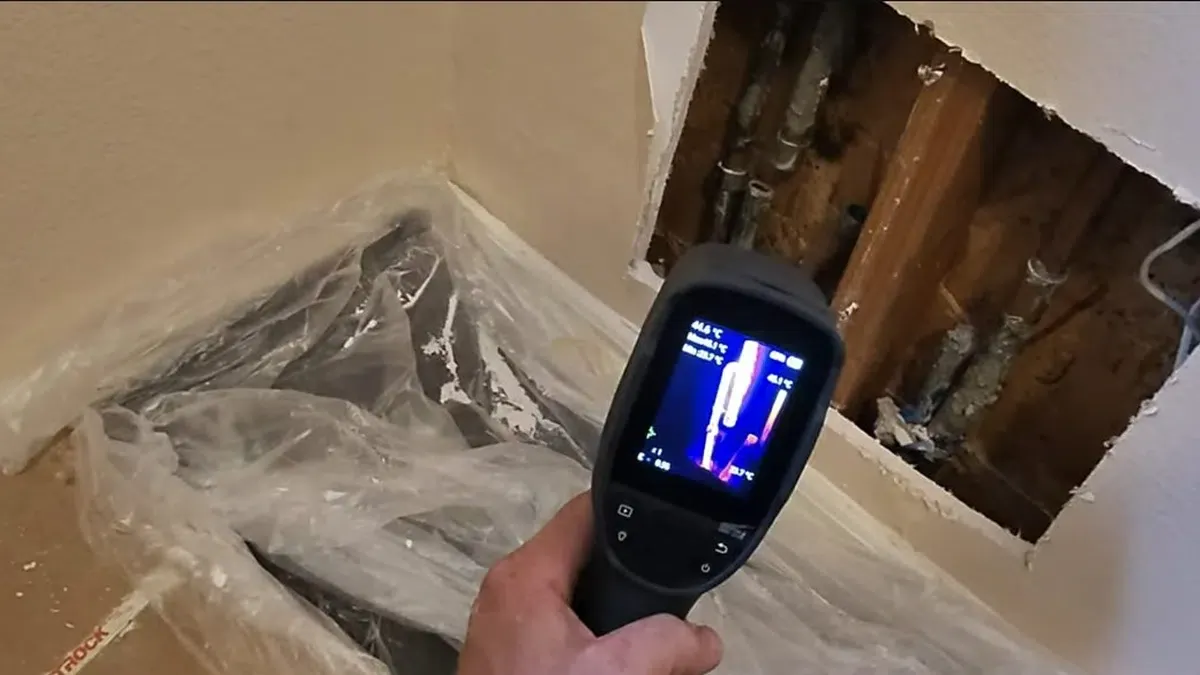
The meter keeps moving and nothing is running
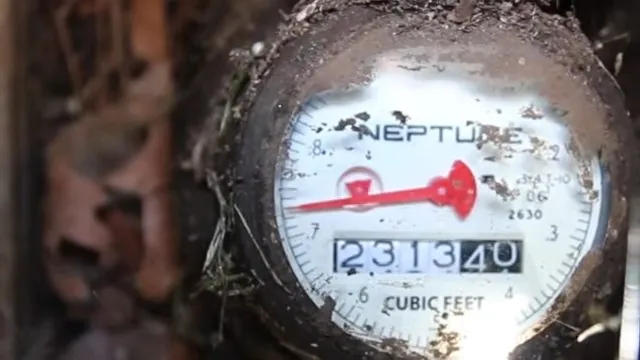
A leak announces itself in small ways long before water pours through a ceiling. A water bill that has crept up for two or three months, a meter dial that turns while the house is quiet, a musty smell in a closet and warm patches on a floor are all common first signs. Water in Sedona reaches your home through a utility meter, so the meter is the first and simplest tool you have for checking.
| What you notice | What it often means |
|---|---|
| Meter turns with every fixture closed | A leak somewhere on the house side of the meter |
| Bill rising with no change in habits | A slow leak or a toilet that runs between flushes |
| Damp drywall, stain or bubbling paint | A supply or drain leak inside the wall or above the ceiling |
| Wet patch in the yard | A leak on the buried line to your house, or on an irrigation line |
| Sound of running water at night | A pressurized pipe leaking behind a wall or under the floor |
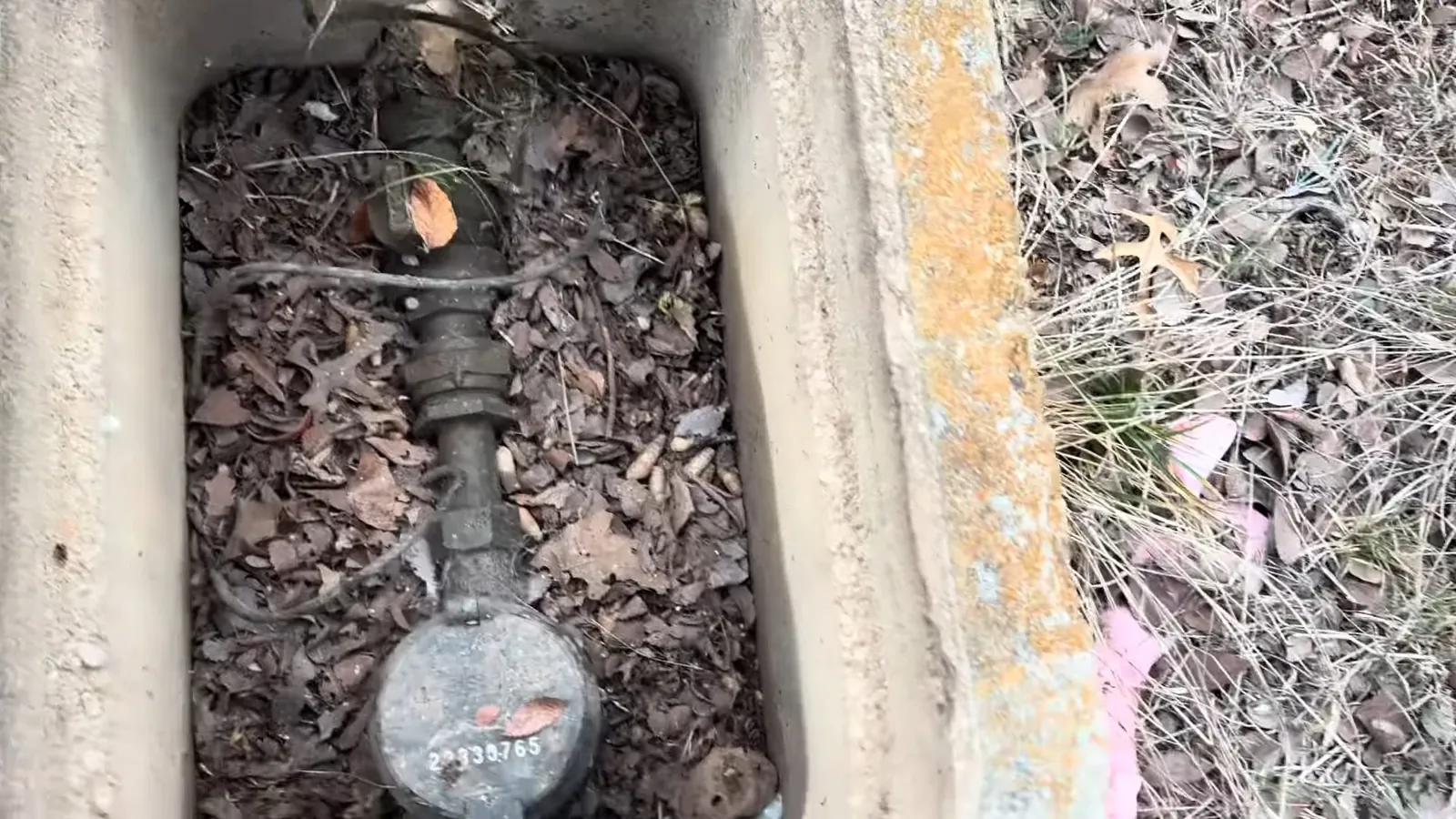
To run the quick test, close every tap and appliance, then watch the small leak indicator on the meter for a few minutes. If it moves, water is escaping. Call and describe what you saw so dispatch can match the visit to the problem.
Leak detection service: how a plumber finds the source
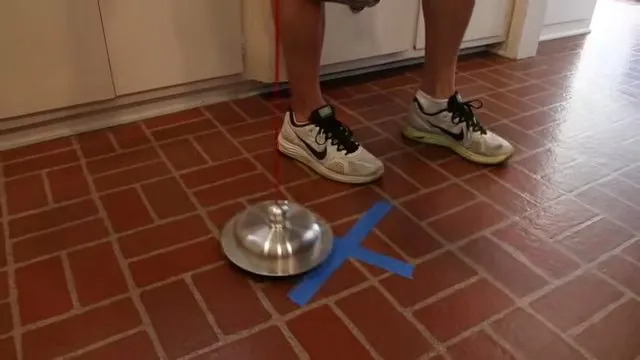
Finding a leak is mostly a matter of narrowing the search before anything is opened. The plumber starts by isolating sections of the system, then uses equipment that hears, sees or measures what the eye cannot. Searching for leak detection in Sedona usually means wanting an exact mark on the floor or wall, and that is what the process aims to produce.
- Acoustic listening picks up the hiss of pressurized water in pipes behind walls and below slabs.
- Thermal imaging shows temperature differences where hot lines leak or wet material has cooled.
- Electronic and tracer methods help trace a line that cannot be seen, such as one buried in a yard.
- Pressure and hydrostatic testing holds a section of pipe under pressure and watches for a drop.
- A video camera checks drain lines when the water is leaving rather than arriving.
Not every leak needs every tool. A dripping trap under a sink needs a flashlight and a wrench, while a hidden leak in a wall may need two methods to agree before a cut is made.
Water still running in Sedona? Call before the damage spreads
Close the main valve if you can, then call. Dispatch is open at every hour.
Hidden and underground leaks
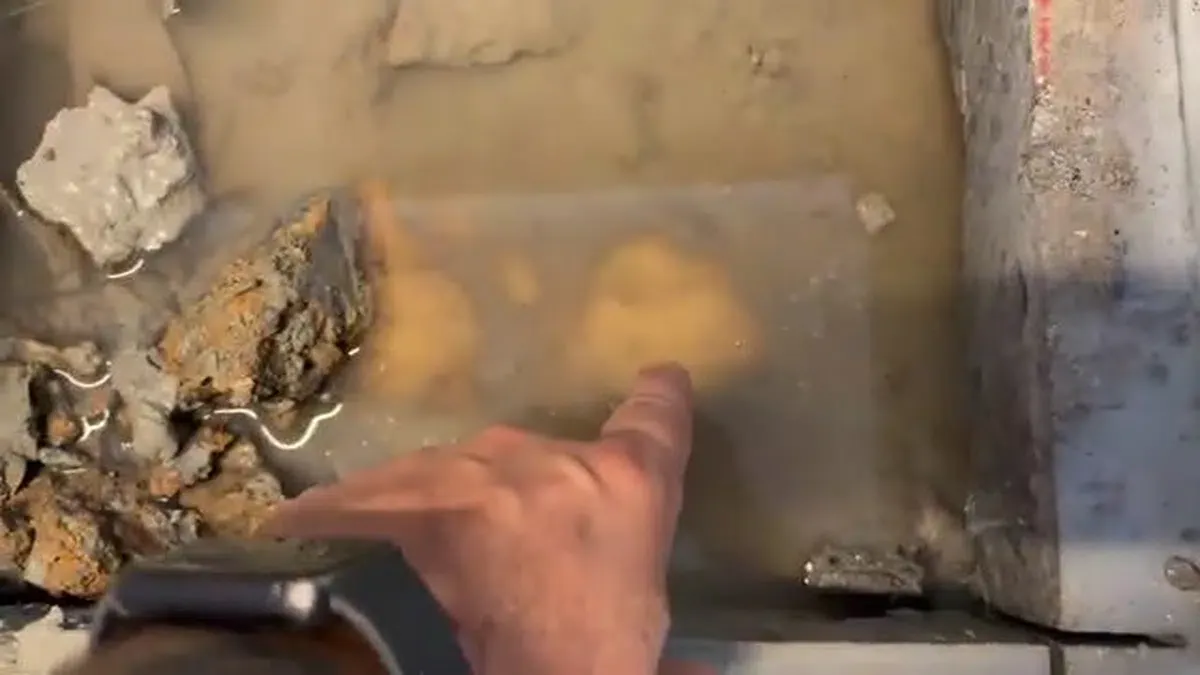
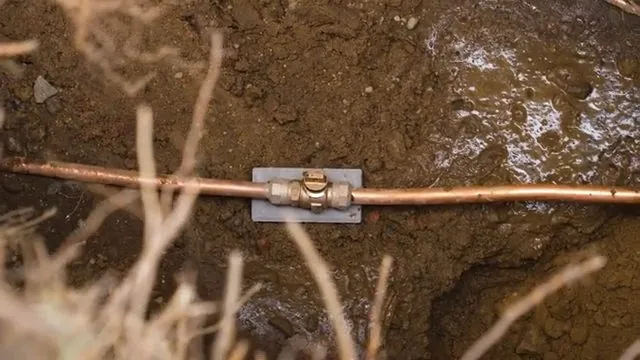
A hidden water leak does damage quietly. Water follows pipes, studs and framing, so the stain appears a long way from the source, and the floor or soil under the house stays wet for weeks. Leaks on the buried run from the meter to the house often show up as a soft, green or constantly damp strip of yard.
If you suspect a leak under the house, tell dispatch whether the home sits on a slab, a raised foundation or a crawlspace. The answer changes the tools and the access plan. A leak under a slab has its own page at slab leak repair, and a leak on the yard line is covered under water line replacement.
Wall, ceiling and under-house leaks
Leaks above a ceiling or inside a wall tend to stay unnoticed until paint bubbles or a stain spreads. The plumber checks the fixtures and supply lines above the damage, since water often travels sideways along a joist before it drops. Under a house with a raised floor, the same logic applies: look up at the lines, then follow the wet material back.
A moisture reading confirms which areas are still wet, and a pressure test confirms whether a line is still leaking. Both steps save time, because they keep cuts into drywall small and well placed.
Fixture leaks you can see: toilets, faucets and showers
Plenty of leaks are visible once you know where to look. A toilet that runs on its own wastes water all day, a faucet drips through a worn cartridge, and a shower valve can seep inside the wall behind the tile. Supply stops and connections under sinks also weep slowly and rot the cabinet floor before anyone notices.
These repairs are usually quick and low in disruption. For worn faucets, toilets and trim, the page on faucet and toilet repair covers what is involved. Leaks from an appliance, such as a washer hose or a dishwasher line, are handled the same way: stop the water, replace the failed part and dry the area.
Leak repair once the source is marked
Once the leak is located, the plumber explains the options before any work starts. A failed fitting may need a simple replacement, a pinhole in a copper line may call for a section of new pipe, and a pipe that is failing in several places points toward a larger conversation about repiping. What drives the cost is the access, the pipe material and how much has to be opened and closed again.
Water that has already soaked drywall, insulation or flooring needs drying fast. When a leak has spread, the water damage restoration page explains how that cleanup is handled and which number to call.
Infrared, sonar and tracer gas: matching the tool to the leak
Residential leak detection services draw on several instruments, and each reads a different clue. Infrared cameras show heat patterns where a hot line leaks or wet material has cooled. Sonar-style listening gear hears pressurized water escaping, and helium or other tracer gas can be pushed through a line to find a pinhole that sound and heat miss.
The goal is the precise location of the leak, not a general area. That matters in a basement, an attic or a finished room, where every extra cut in drywall adds repair work. Leaky ceilings and walls left alone can lead to structural damage, mold and ruined insulation, so catch small leaks early.
Smart leak sensors and automatic shutoff valves are a useful backstop. A sensor under a water heater or behind a washer sends an alert at the first drop, and a shutoff valve closes the main when it detects flow that should not be there. Neither replaces a repair, but both limit the damage while you arrange one.
Who handles what: the meter, the yard line and the house
The utility serving Sedona, Arizona Water Company, draws on groundwater from wells in the Sedona area, and the meter at your property is the practical dividing line. A leak on the street side of the meter belongs to the utility, while a leak on the stretch between that meter and your front door is generally the responsibility of the property owner. If you are not sure where the line becomes yours, ask the utility or ask the plumber when you call.
Water bills also help here. A utility bill history that jumps in one month and stays high suggests a leak that began recently, while a bill that has crept up slowly points toward something smaller, such as a running toilet.
Leak found, source unknown? Get a plumber on it today
Same-day service is offered when available, and a mark on the floor beats guessing.
Inspect before a small leak becomes a large one
A plumbing inspection looks at supply lines, shutoff valves, water pressure and visible pipe condition, and it often turns up a problem before it leaks. It is worth scheduling after a scare, before a purchase or when a house has sat empty. Irrigation and sprinkler leaks are a separate trade from household plumbing, and dispatch can tell you whether a plumber suits that job.
Not sure whether what you found is a leak at all? Call dispatch at the number below and describe it. If the situation is urgent, the call goes through the same line as every emergency, and you can also start from the emergency plumber page for the full picture.
Suspect a leak in your Sedona home? Call dispatch now
Dispatch is open 24 hours a day. Tell them what is happening and a plumber serving your area will be lined up.
- Licensed and insured plumbers
- Same-day service when available
- 24/7 emergency dispatch