 Sedona AZ
Repiping and pipe repair
Burst, Frozen or Pinhole Pipes in Sedona, AZ? Repair Now, Repipe If the Pipes Demand It
Winter freezes reach the Verde Valley, and a pipe that is exposed in a garage, an outside wall or an unheated crawlspace can split long before anyone notices. The damage usually shows up when the pipe thaws and water pours out. Whether the fix is a quick repair or a bigger conversation about replacing the pipes depends on what the plumber finds.
- Licensed and insured plumbers
- Same-day service when available
- 24/7 emergency dispatch
Talk to dispatch now
Describe the problem and a plumber serving your area will be lined up.
(928) 766-1925Call (928) 766-1925
Burst pipe: what to do in the first ten minutes
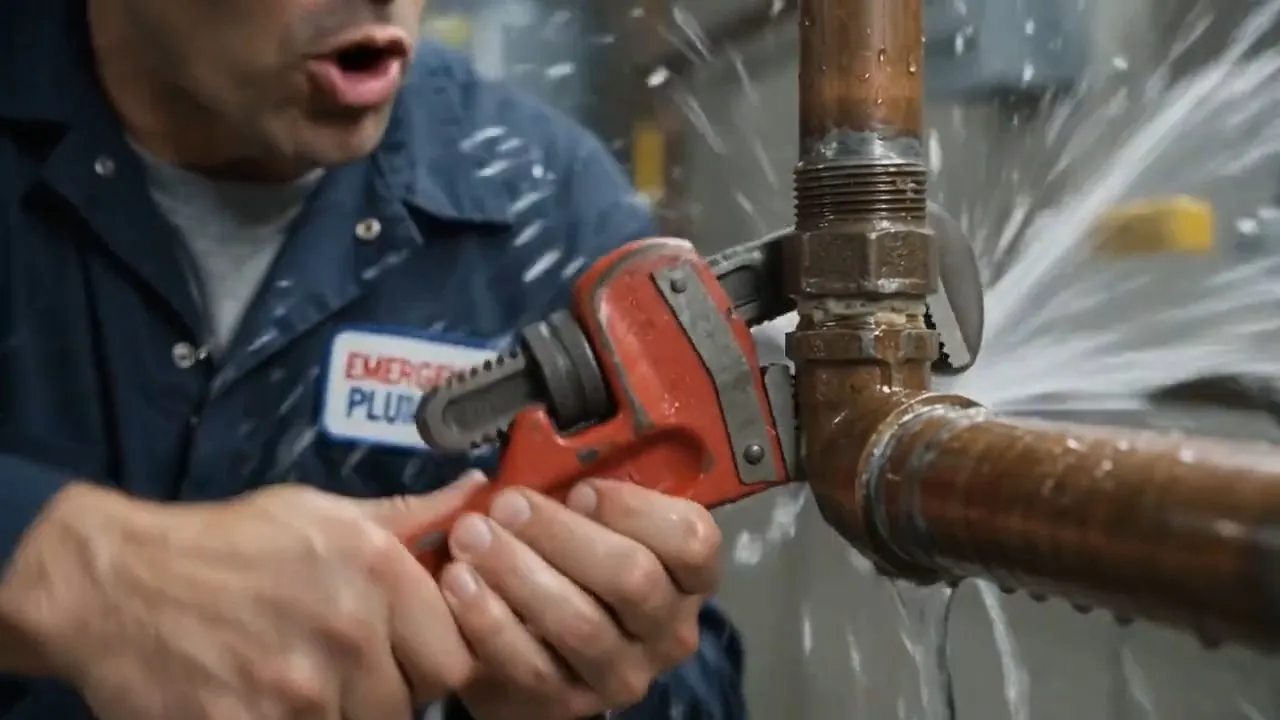
Close the main shutoff valve first, since every minute of flow adds to the damage. Open a low faucet to drain the remaining water, switch off power to any wet area only if you can do it safely, and move belongings out of the way. Then call dispatch and describe where the water is coming from.
Photograph the damage before cleanup begins. Photos help with any insurance claim, and they show the plumber where the water went. If water has reached floors or walls, the water damage page explains the drying side of the problem.
Pipe repair: when a section is enough
A single failed section, such as a split from freezing or a corroded fitting, can often be cut out and replaced. The repair uses new pipe and fittings suited to the existing material, and it is tested under pressure before the wall is closed. Spot repairs are fast and keep disruption low.
They hold up well when the surrounding pipe is in good shape. If the plumber finds thin walls, green corrosion or a second weak spot nearby, a section repair may only postpone the next failure.
Pipe split and water spreading? Call and close the main
Dispatch is open around the clock for burst and frozen pipes.
Frozen pipe and thaw: handle with care
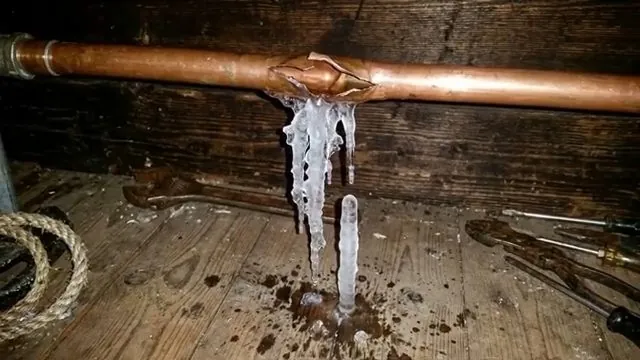
A pipe that is frozen but not yet split can sometimes be thawed slowly with gentle warmth, such as a hair dryer on a low setting. Never use an open flame. Leave a faucet open while thawing so that melting ice has somewhere to go, and watch for leaks as flow returns.
- Know where the main shutoff is before the first hard freeze.
- Insulate pipes in garages, crawlspaces and outside walls.
- Let a faucet drip during a hard freeze on a vulnerable line.
- Keep cabinet doors open under sinks on outside walls.
If a pipe has split, thawing it will release water, so close the main first. Frozen pipe repair is a common call after cold snaps, and dispatch can arrange it at any hour.
Pinhole leaks and what they signal
A pinhole leak is a tiny hole in a pipe wall, often in copper, that sprays a fine jet or weeps slowly. One pinhole may be isolated, but several in a short span usually mean the pipe is corroding from the inside. Water chemistry, flow speed and age all play a part.
Repairing each pinhole as it appears is a losing game once a pattern forms. At that point, a quote for replacing the affected run, or the whole system, is worth requesting so you can compare it against repeated repairs.
Copper pipe: what to expect as it ages
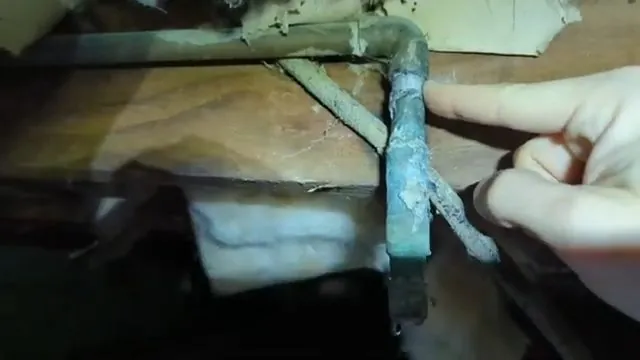
Copper has served for decades and can last a long time, but it does fail eventually, typically at joints, bends or places where water moves fast. Blue-green stains at fittings, pinholes and a metallic taste can all signal trouble. Replacing copper with new copper is a traditional fix, while other materials are an option for some runs.
Ask the plumber what the pipe looks like inside where it was cut. A cross-section of the old pipe shows whether the problem is local or general.
Whole-house repiping: when it makes sense
Whole-house repiping replaces the supply lines throughout the home. It makes sense when leaks keep recurring, when old galvanized pipe has restricted flow or when the pipe material is known to fail. It is a major project, usually done in stages, with access through walls, ceilings and sometimes floors.
- SurveyThe plumber inspects the system and agrees which lines are replaced.
- PlanMaterial, routing and access points are settled, with a permit if needed.
- ReplacementNew pipe goes in, line by line, with water restored daily where possible.
- Patch and testPressure tests confirm the system, and wall openings are patched.
Ask for the scope in writing, including who patches drywall and paint. The cost page explains what drives the total.
Under-slab, underground and galvanized pipe
Pipes buried under a slab or in the yard are hard to reach, so a failure there is slower and more expensive to fix. A leak under the foundation is covered on the slab leak page, and trouble on the pipe out in the yard has its own page about water line repair. Rerouting is often an alternative to digging.
Galvanized steel is a separate problem. It rusts from the inside, narrows over time and lowers pressure. Homes that still have it are good candidates for replacement, since repairs tend to expose more corroded pipe nearby.
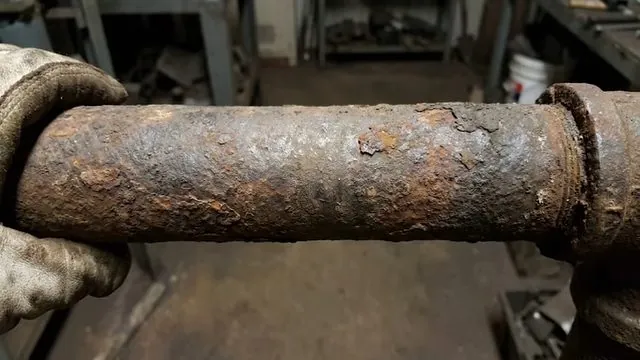
Pipe materials you may find in a house
| Material | What to know |
|---|---|
| Copper | Long lived; fails at joints and where water moves fast |
| Galvanized steel | Rusts inside, narrows and loses pressure |
| CPVC and PVC | Plastic pipe; brittle with age or heat in some cases |
| PEX | Flexible plastic; resists freezing damage and goes in quickly |
| Cast iron | Common for drains; rusts and cracks with age |
| Polybutylene | A gray plastic supply pipe that failed often in older homes |
Pipe breaks usually trace back to the material and its age. A broken line that was joined with old fittings, a running leak in a wall or heavily corroded pipework are all signs that more than a spot repair is needed. Fixtures and installations downstream, such as a new tub or kitchen, are also good moments to check the pipe feeding them.
Repair, partial repipe or full repipe: how to decide
The right scope depends on the pipe, not on the size of the leak. A plumber can inspect the pipe at the point it was cut, check the age and material and judge whether a repair will hold. The table shows how the three options usually compare.
| Option | Suits | Watch out for |
|---|---|---|
| Spot repair | One failed section in sound pipe | A second leak nearby within months |
| Partial repipe | One run or floor is failing | The rest of the system aging alongside it |
| Full repipe | Repeated leaks or pipe material known to fail | Disruption, which should be planned for |
Ask for a written scope and a clear statement of what is and is not included.
Living through a repipe
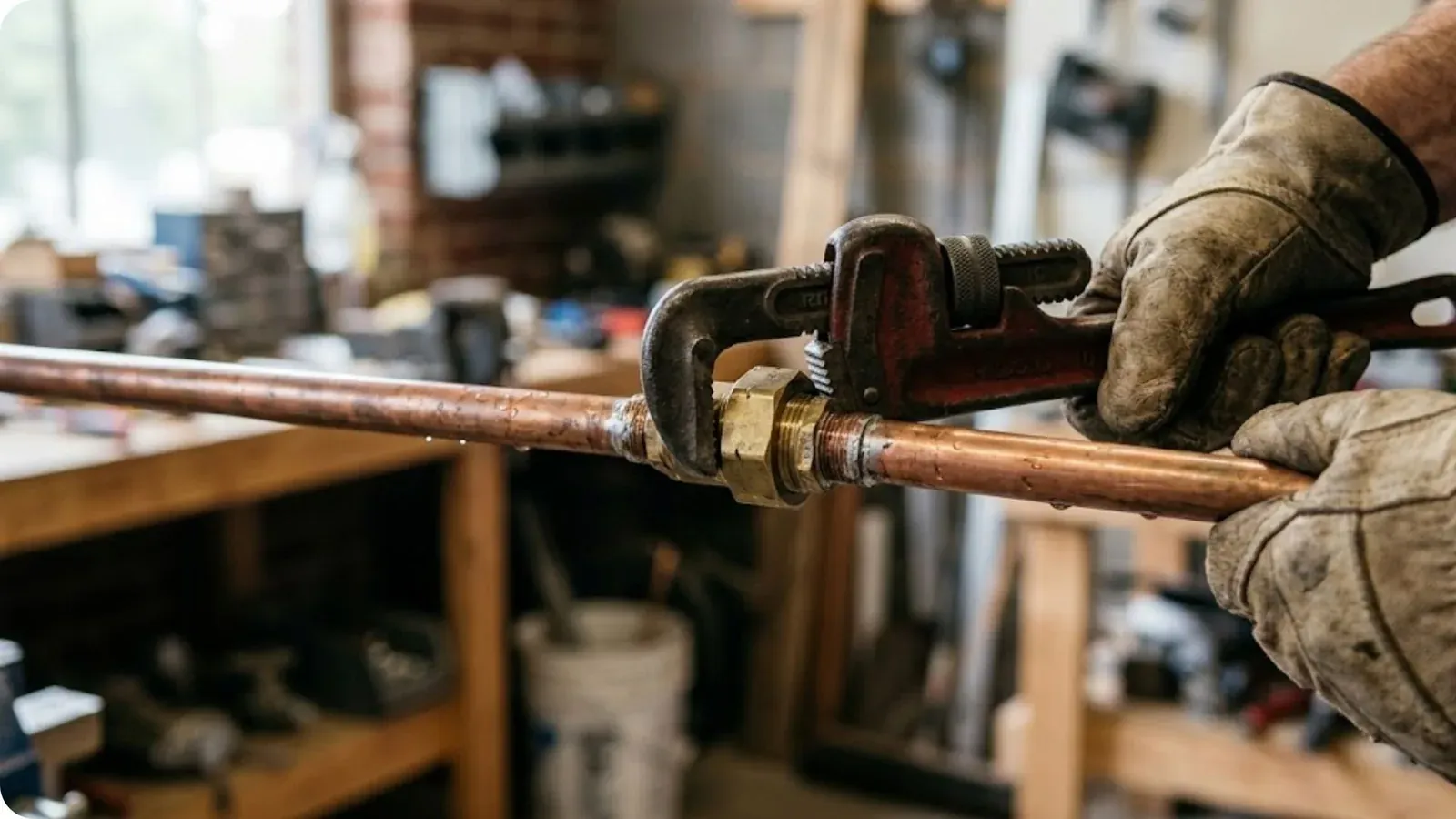
A repipe is disruptive but usually quicker than people fear. The plumber works room by room, and the water is typically restored at the end of each working day. Furniture needs to be moved away from walls, and dust control is part of a good plan.
Ask how many days the work will take, which walls will be opened and who patches them. A clear plan before the first cut makes the whole job smoother.
Same pipe, third leak? Time for a different plan
Ask for a repair quote and a replacement quote side by side.
PEX, pipe replacement and choosing materials
PEX is a flexible plastic pipe that resists freezing damage better than rigid pipe, installs quickly and cuts down on joints. It is common in repiping, though local code and the layout of the house influence the choice. Copper remains a standard where its durability and heat tolerance matter.
Ask why a material is proposed, how it is joined and what the warranty covers. Pipe replacement for a short run follows the same logic, only on a smaller scale.
Burst or leaking pipe in Sedona? Call dispatch now
Dispatch is open 24 hours a day. Tell them what is happening and a plumber serving your area will be lined up.
- Licensed and insured plumbers
- Same-day service when available
- 24/7 emergency dispatch