 Sedona AZ
Sewer line repair and replacement
Sewer Line Repair or Replacement in Sedona, AZ: Decide With Facts
When a sewer line fails, the first question is whether to repair a section or replace the whole run, and whether to do it now or later. That decision is hard to make without seeing the pipe. This page walks through how a camera inspection answers it, what each repair route involves and who is responsible for which part of the line.
- Licensed and insured plumbers
- Same-day service when available
- 24/7 emergency dispatch
Talk to dispatch now
Describe the problem and a plumber serving your area will be lined up.
(928) 766-1925Call (928) 766-1925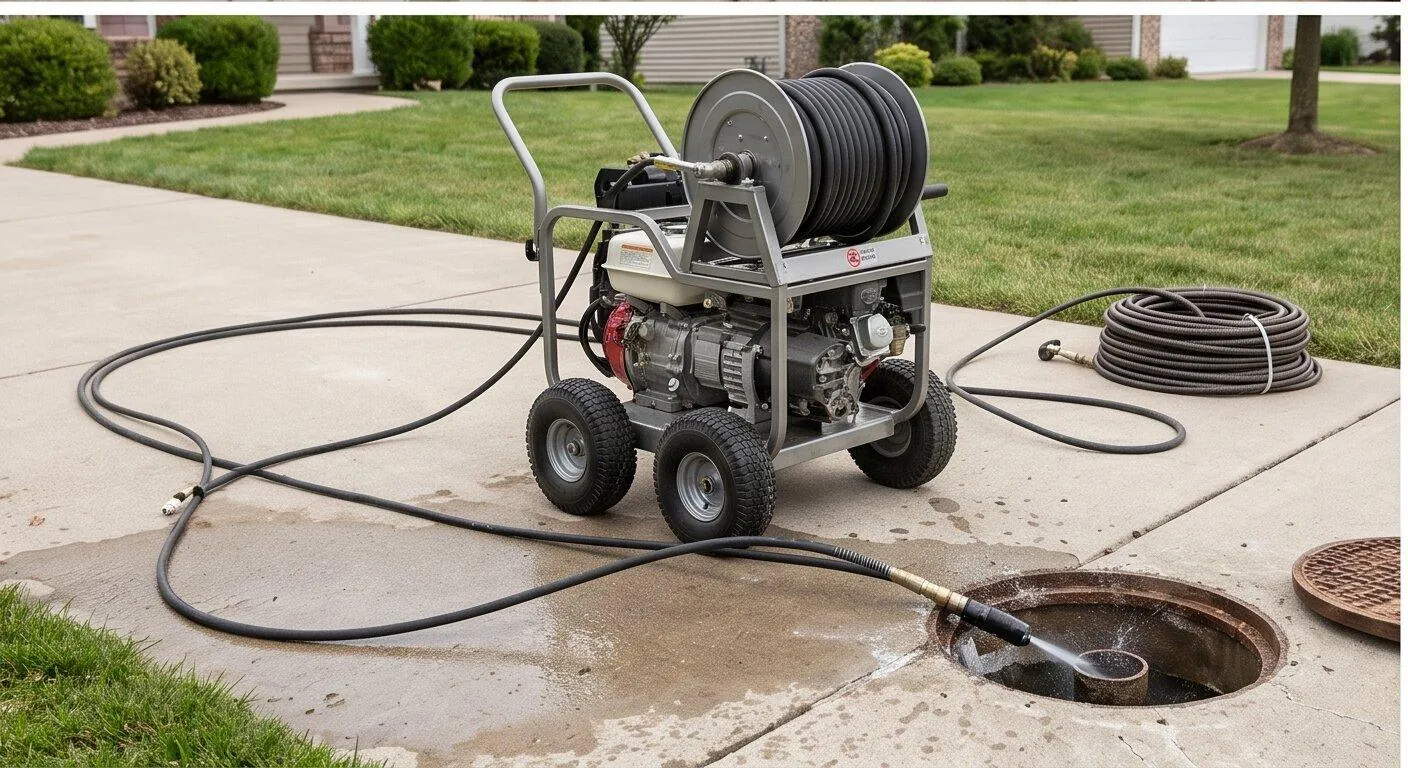
Repair or replace: the decision in front of you
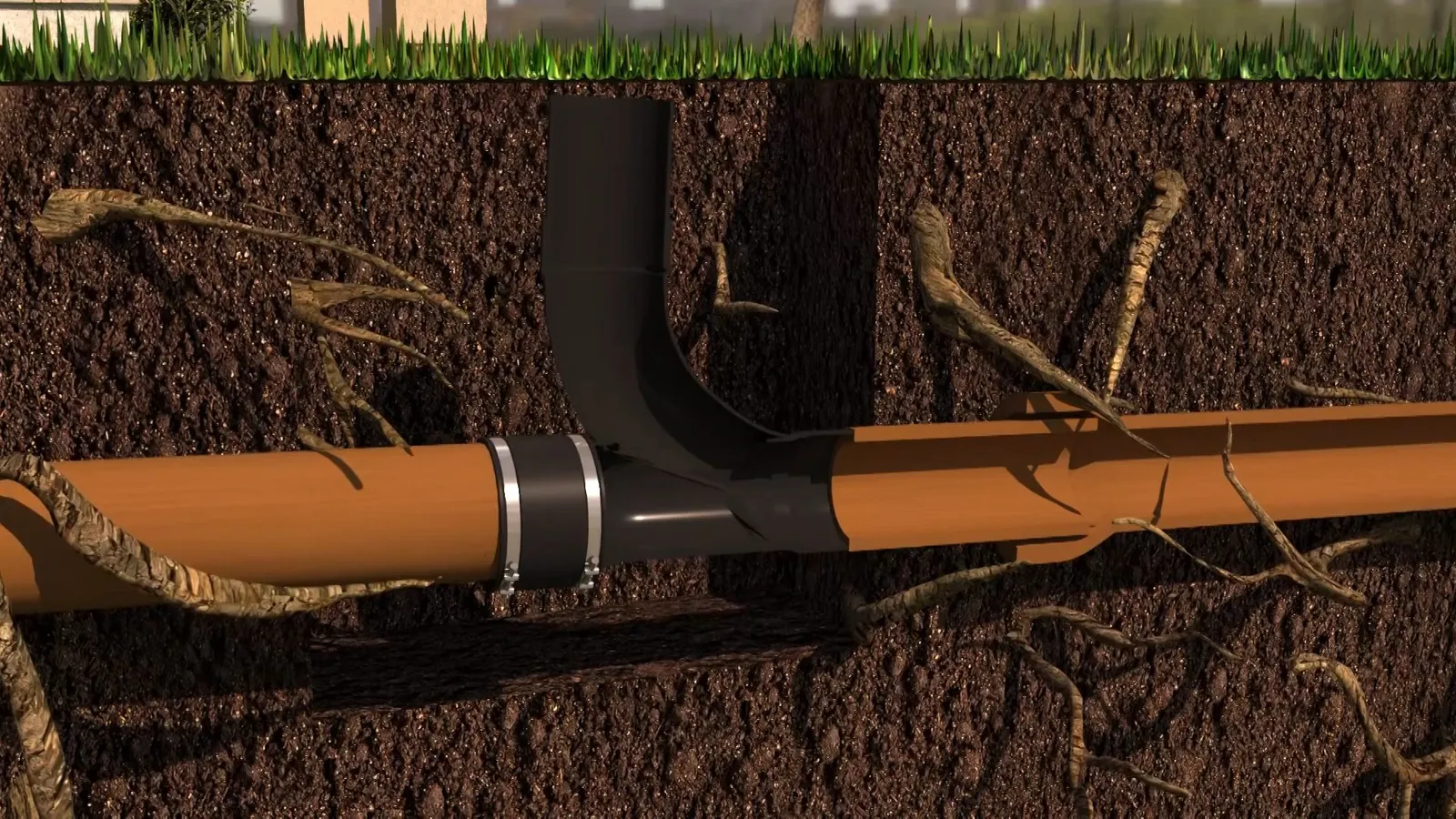
Repair vs replace is the real question, and open-trench work is only one of the answers. A short, isolated problem points toward repair, while a pipe that is cracked, sagging or root-filled along its length points toward replacement. Age, material and the number of earlier clogs all matter. A pipe that has been cleared three times in a year is telling you something.
Ask the plumber what the camera showed, how far along the line the damage runs and how many problem spots there are. One defect near the house is a different job from three along the yard.
Waiting has a cost too. A partly failed sewer line leaks into the soil, invites roots and can back up into the house at the worst time. Dispatch can treat an active backup as urgent and same-day service is offered when available.
Camera inspection: see the pipe before choosing
A sewer scope pushes a small camera down the line and shows what is actually there. It reveals the material, the joints, any belly where water pools and the exact distance to each defect. The plumber can mark the surface above the problem, so the repair is planned around a known spot.
Many scopes also record the footage, so you can review it later or share it with a second plumber. Ask to see the footage. A clear picture ends arguments about what is wrong, and it gives you something to compare if you want a second opinion.
Sewer repair for a section that has failed
Spot repair suits a defined problem such as a broken joint, a cracked section or a root intrusion in one place. The plumber digs to the marked spot or uses a trenchless patch, replaces the failed section and tests the line. Work stays local, which keeps the yard and driveway disruption smaller.
Repair is not a good fit when the camera shows damage all along the line. Patching one failure in a pipe that is failing everywhere simply moves the next call forward.
Sewage backing up in Sedona? Call now
Stop using water and call. Dispatch is open at every hour.
Full sewer line replacement
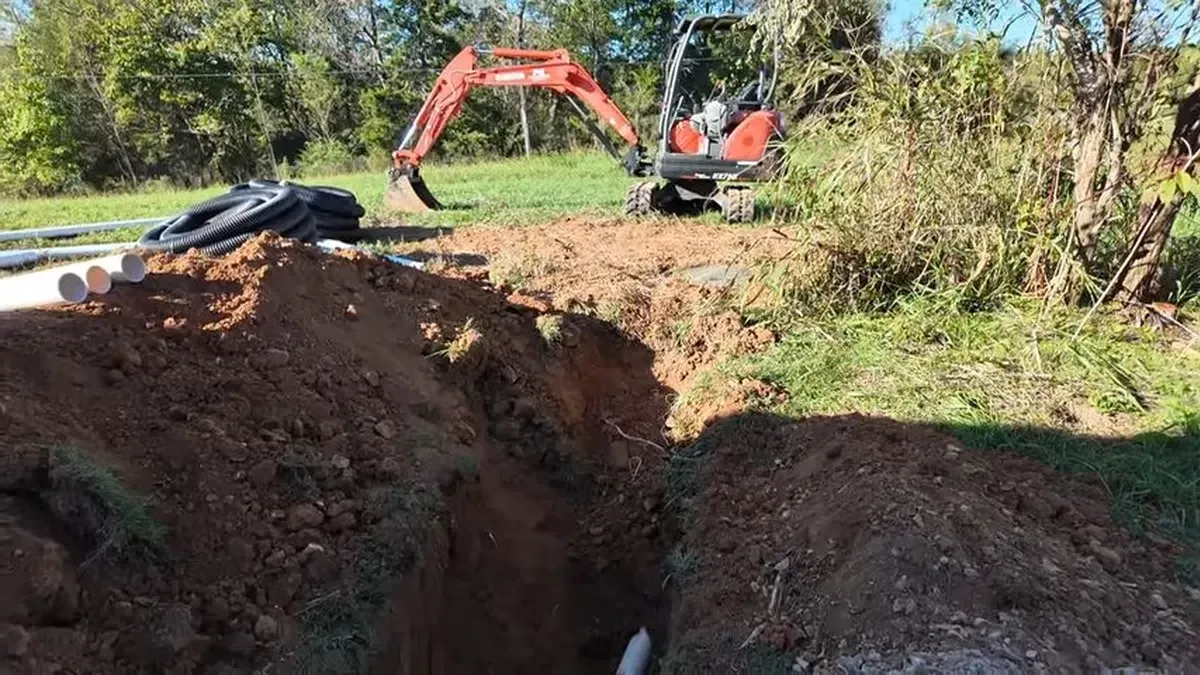
Replacement swaps the old line for new pipe from the house to the connection point. Open trench replacement, also called excavation, is the traditional method, where the line is exposed and replaced section by section. Choosing between relining and open-trench versus trenchless work is a process of comparing access, cost drivers and the condition of the pipe. A new sewer line installation follows the same logic, only with fresh pipe from the start.
It can cross driveways, landscaping and sometimes a patio.
New pipe resets the clock and removes the problem of aging material. The plumber should explain the route, the depth and what gets restored after the work is done.
Trenchless lining and pipe bursting
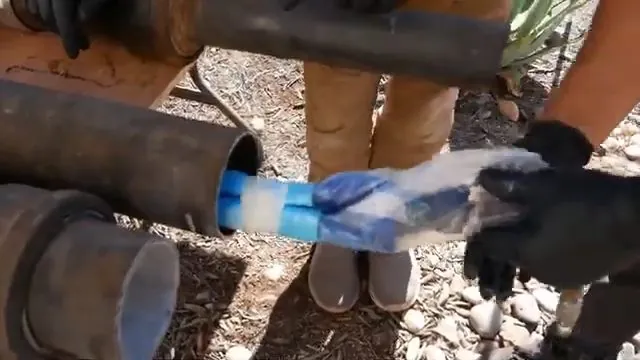
Trenchless methods avoid a long trench. Pipe lining inserts a resin-coated liner that hardens inside the old pipe, and pipe bursting pulls new pipe through while breaking the old one apart. Both need only small access pits.
They are not for every line. A pipe with a severe sag, a collapse or a bad offset may not accept a liner, and the camera should confirm the line is suitable before anyone commits.
Who owns the lateral: the homeowner or the town
The lateral is the pipe from your house to the main in the street. In general the property owner is responsible for the lateral, and the town or utility handles the main. The details vary by jurisdiction, so check with the office that serves your address.
Neighboring towns show how much it varies. Camp Verde states that the Town does not maintain a customer lateral, and it requires an approved backwater valve for structures on town sewer. Cottonwood and Clarkdale run town wastewater systems of their own. Some homes outside any sewer system use a septic tank instead, and that is a different trade.
Sewer cleaning and rooter work between repairs
A clogged mainline can often be cleared quickly, and detection of a deeper fault comes from the camera. Cleaning does not repair a failed pipe, but it can buy time while a repair is planned. Cable work breaks through the blockage, and hydro jetting scours the walls. If the line keeps clogging, return to the camera for answers.
Cleaning alone suits a line that is intact but dirty. For ordinary clogs without sewer damage, see drain cleaning, which covers the tools and methods in more detail.
What a replacement visit looks like from start to finish
- InspectionThe plumber scopes the line and agrees on where the defects are.
- PlanThe route, the method and any permit are settled before digging starts.
- WorkThe old line is cut out, lined or burst, and the new pipe is connected and tested.
- RestoreSoil, concrete or landscaping affected by the work is put back as agreed.
Each step is worth discussing before it starts. A clear plan prevents surprises, especially when the work crosses a driveway or touches a neighbor boundary. Ask who pulls any needed permit and who schedules inspections.
What to do during a sewer backup
Stop running water the moment a backup starts. Do not flush, run the washer or use the dishwasher, because every drop adds to the spill. Keep children and pets away from standing water, since sewage carries bacteria that should not be touched or tracked through the house.
Open windows if the smell is strong, and photograph the damage before moving anything. Call dispatch and describe which fixtures are backing up. If several drains are involved, say so, because that points toward the main line rather than one fixture.
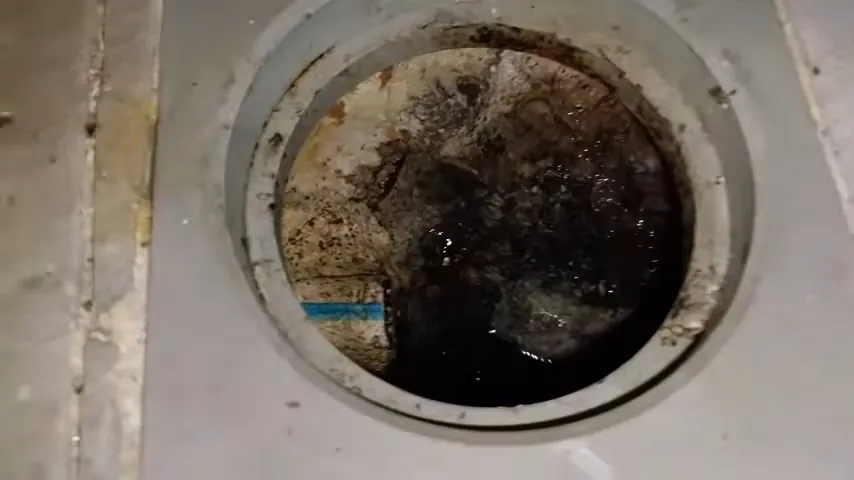
Unsure if the line needs a patch or a full replacement?
Get the line scoped first, then compare options with the footage in front of you.
Backups, smells and older pipe materials
A sewer backup shows up first in the lowest drain, often a floor drain or a tub. Stop using water, keep people and pets away from the spill and call. A persistent sewer smell without a visible backup can point to a dry trap, a cracked vent or a broken line, and a camera or smoke test sorts out which.
Older lines were often cast iron, clay or Orangeburg, and each has typical failures: rust scale, cracked joints and softening. A cleanout, the capped access point on the line, lets the plumber work without removing a fixture, so it is worth knowing where yours is. Water that has reached the floor may need water damage restoration.
Sewer line trouble in Sedona? Call dispatch now
Dispatch is open 24 hours a day. Tell them what is happening and a plumber serving your area will be lined up.
- Licensed and insured plumbers
- Same-day service when available
- 24/7 emergency dispatch