 Sedona AZ
Slab leak detection and repair
Slab Leak Detection and Repair in Sedona, AZ: Confirm It Before Anyone Cuts
A warm spot on the floor is not always a slab leak, and a slab leak is not always the cause of a high water bill. Before concrete gets cut, the plumber needs to confirm that your home sits on a slab, that the leak is under it and exactly where it is. This page explains how that confirmation works and what the repair choices look like.
- Licensed and insured plumbers
- Same-day service when available
- 24/7 emergency dispatch
Talk to dispatch now
Describe the problem and a plumber serving your area will be lined up.
(928) 766-1925Call (928) 766-1925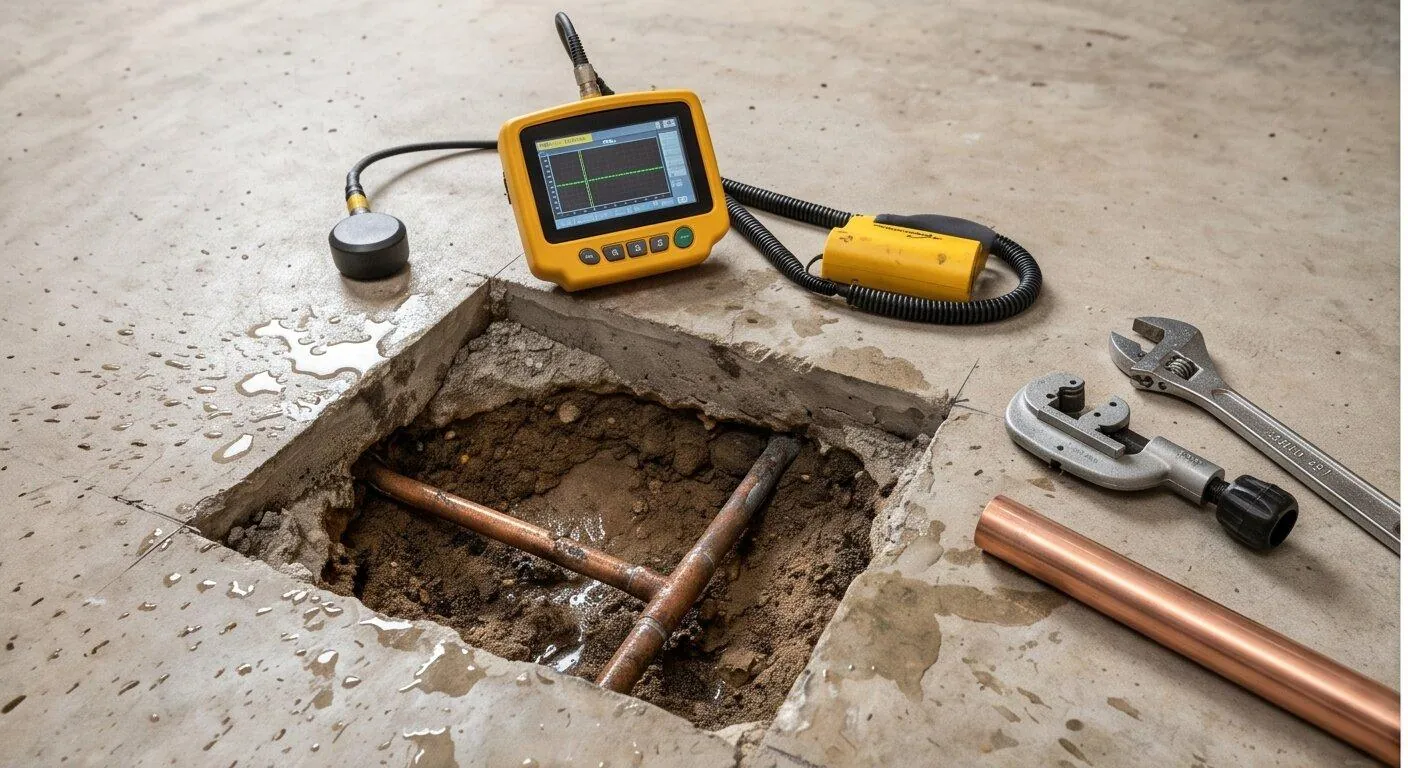
Confirm what you have before assuming a slab leak
Not every home sits on a concrete slab. Some have a raised foundation with a crawlspace, and a few have basements. The pipes run in different places in each case, so a leak behaves differently in each case too. Check your own house first: if you can walk under it, it is probably not a slab foundation.
No foundation survey is published for Sedona, so nothing here assumes how your house was built. Tell dispatch what you see, and the plumber will confirm the foundation type on site before planning any work.
Signs of a hidden slab leak that deserve a call
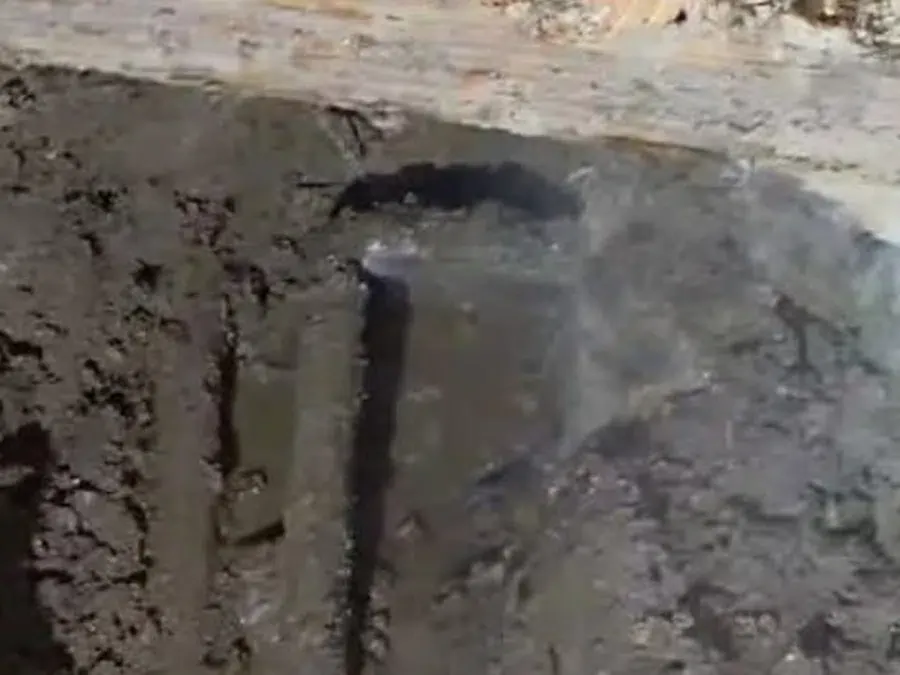
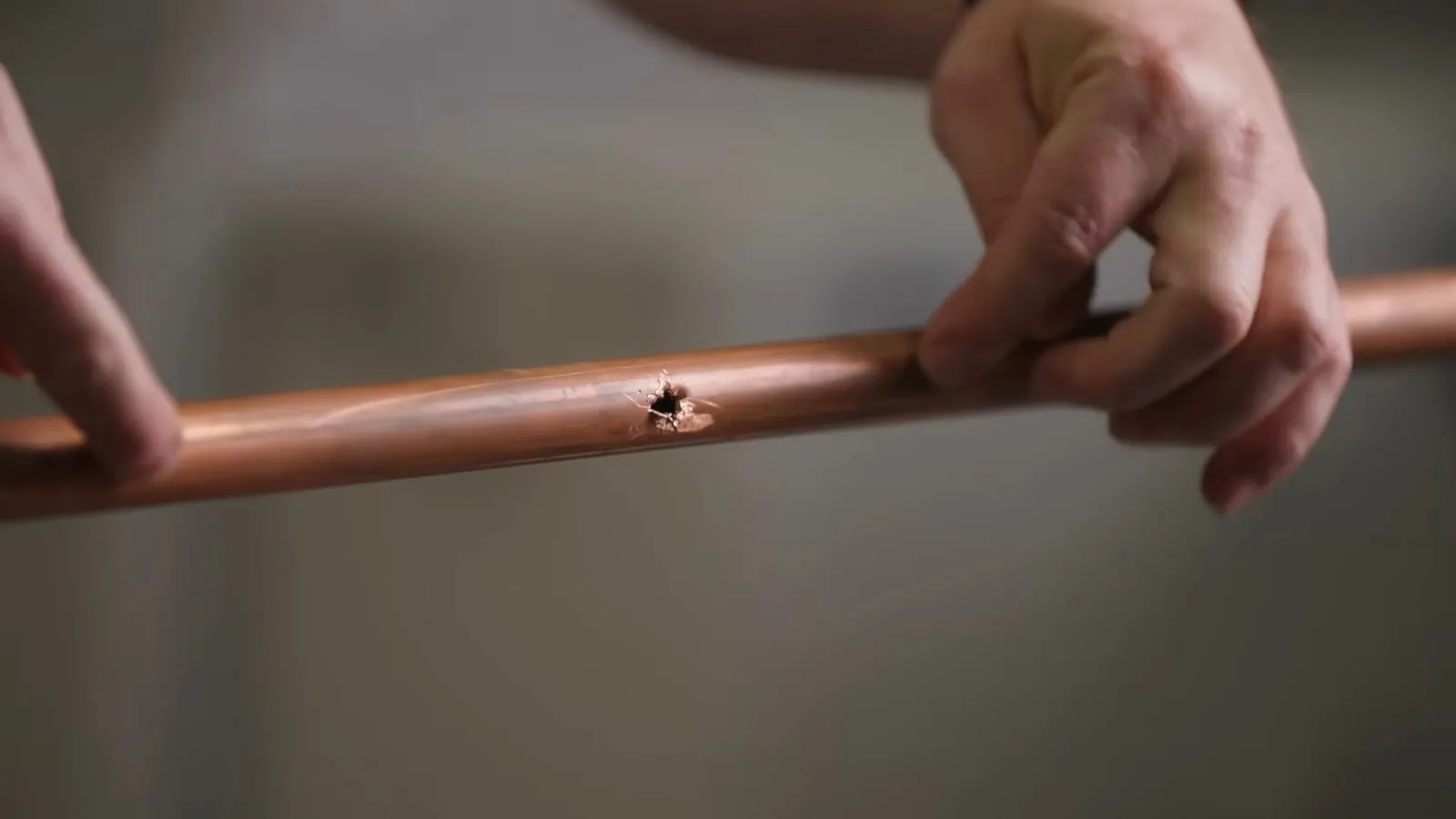
Several symptoms point toward water escaping under a slab. None of them proves it alone, but two or three together justify a visit.
| Symptom | Why it matters |
|---|---|
| A warm or hot patch on the floor | A hot water line may be leaking beneath the concrete |
| Meter turning with all fixtures closed | Water is escaping somewhere past the meter |
| Damp carpet, lifting tile or cracked grout | Moisture is rising through the floor |
| Sound of running water when nothing is on | Pressurized water is leaking out of sight |
| Falling water pressure | A supply line may be losing water before it reaches fixtures |
Dispatch treats a suspected slab leak as urgent, because water under a slab can undermine soil and flooring. Same-day service is offered when available.
How the leak under the concrete is located
Locating a slab leak starts with proof that the leak exists, then narrows its position. The plumber isolates the hot and cold lines, pressure tests each one and listens along the floor with acoustic equipment. Thermal imaging adds a second view when hot water is involved.
Slab leak location is the point of the whole exercise, and residential floors vary enough that no two jobs look alike.
A good result is a marked line on the floor, not a guess. That mark decides where concrete is opened, so it is worth getting right the first time. Under-slab work, from spotting early signs to final repair, follows the same sequence. The same process also shows whether more than one line is affected, which changes the repair plan.
Warm floor and a running meter? Call about a slab leak
Describe what you have noticed. Dispatch will arrange a plumber serving your area.
Repair options for a leak under the foundation
Once the leak is marked there are a few ways to deal with it. The right one depends on the condition of the rest of the pipe, the layout of the house and what the floor is made of.
- Direct access: cut the concrete over the leak, replace the damaged section and patch the slab.
- Rerouting: abandon the failing line and run new pipe through walls or the attic. This is the same work described under repiping.
- Epoxy lining: coat the inside of an old pipe to seal small leaks without opening the floor.
- Tunnel access: dig beneath the slab from outside to reach the line without cutting the floor. This trenchless route avoids the interior but still needs space outdoors.
Dispatch cannot promise which method fits until the plumber has seen the layout. Ask for the options in plain language, and ask what each one leaves behind in the floor, walls and yard.
What opening concrete means for the rest of the house
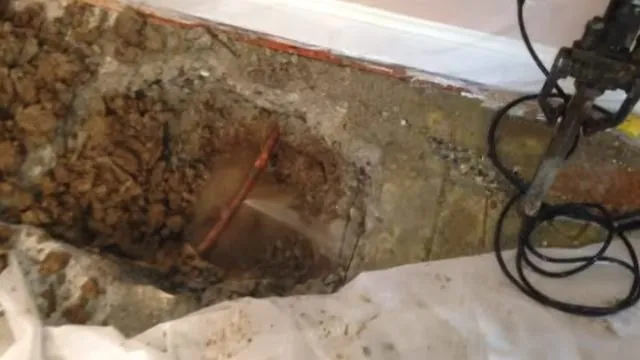
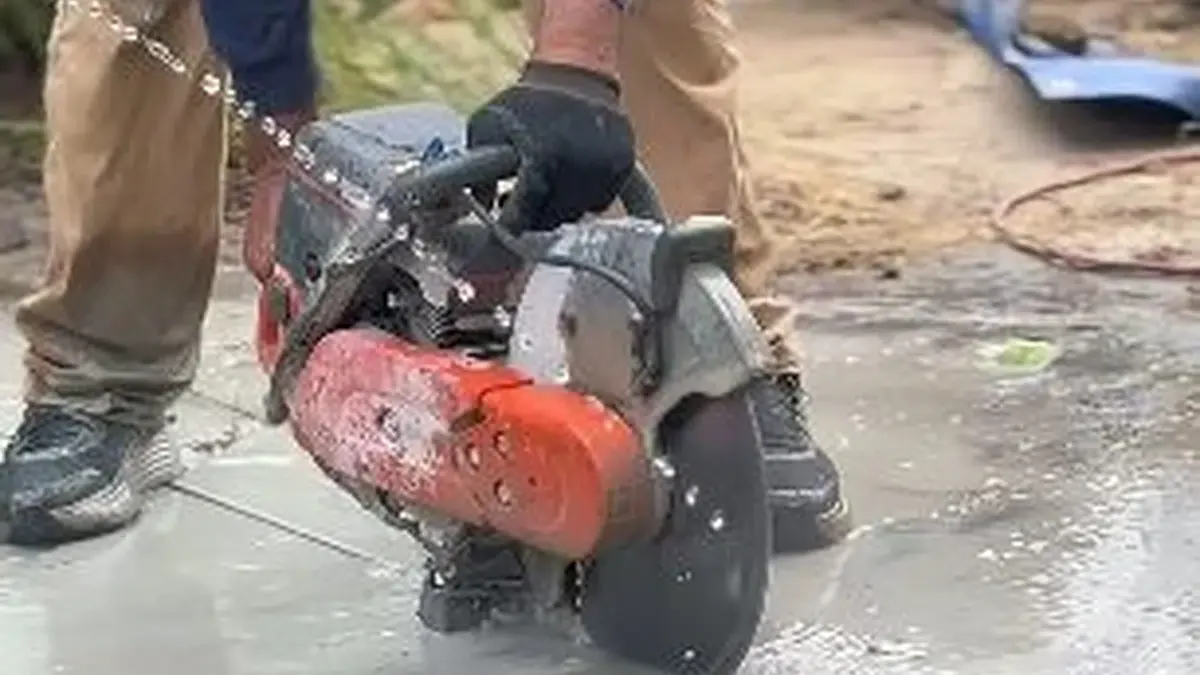
Concrete work is disruptive. Floors, tile and cabinets over the leak may need to be moved, dust has to be controlled, and the patch needs time to cure. Rerouting avoids the slab but opens walls, so the disruption shifts rather than disappears.
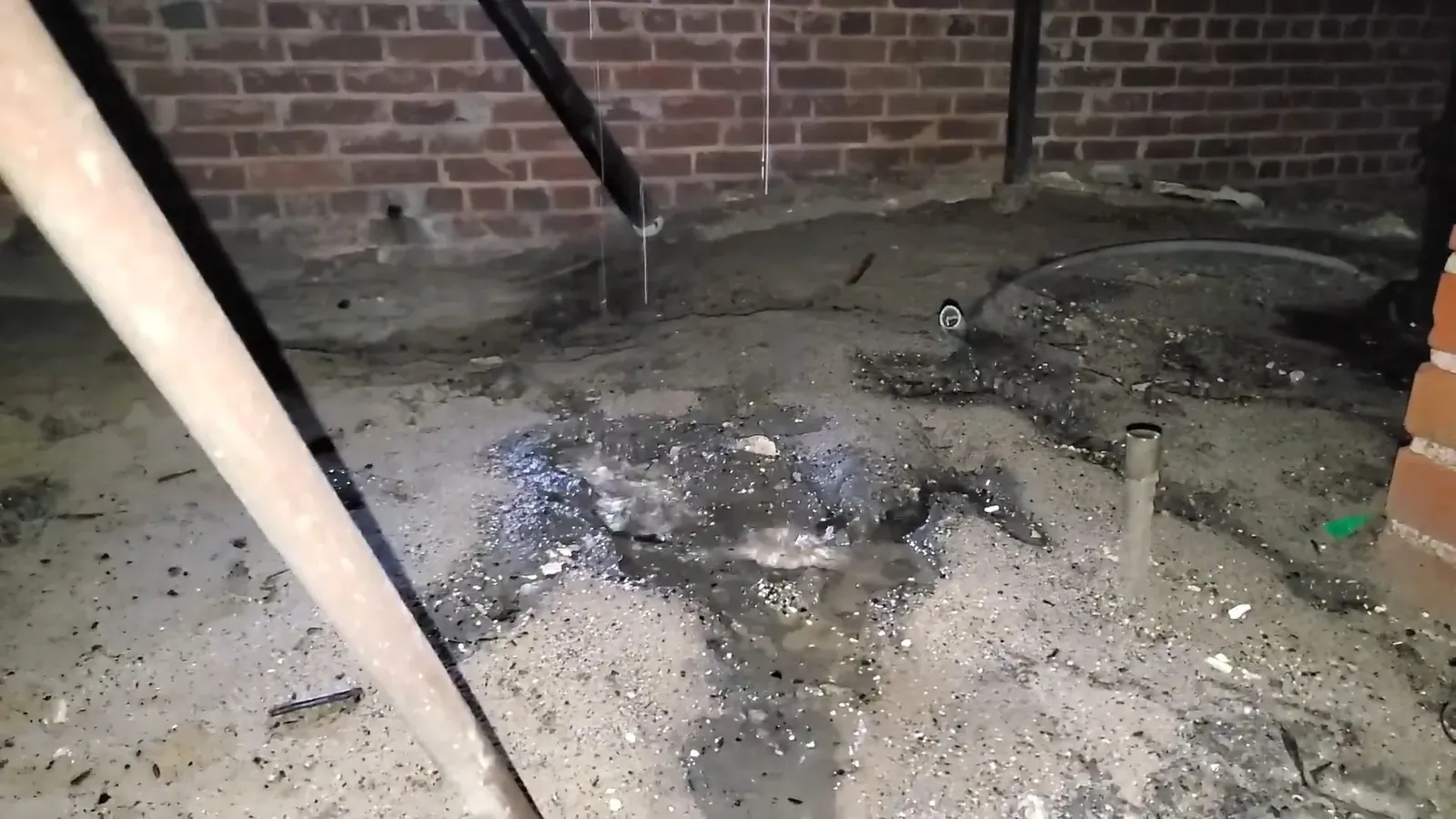
A leak that has run for a while can soften the soil under a slab, and the plumber should point out any sign of settling or cracking. This is general guidance, not an engineering opinion, so a structural question belongs with a qualified specialist. If the leak has soaked flooring, see water damage restoration for the drying side of the job.
Look-alikes worth ruling out first
Several other problems mimic a slab leak, and a good plumber rules them out before suggesting concrete work. A leaking water heater can wet a floor and warm it. A running toilet or a dripping irrigation valve can push a bill up. Condensation on a cold slab can leave damp patches, and a roof or window leak can wet a floor far from the pipes.
- Check the water heater closet and the base of every toilet for moisture.
- Look at exterior hose bibs and any irrigation valves for drips.
- Note whether the warm spot sits along a line, which suggests a pipe, or in a patch, which suggests something else.
- Watch whether the meter moves when everything inside the house is off.
Bring those observations to the call. They save time and cut the chance of paying for work you did not need.
What to do while you wait for the plumber
If you suspect a slab leak, close the main shutoff valve if the water is actively doing harm, and keep people off wet flooring. Lift rugs and move furniture away from damp areas so the plumber can see the floor. Do not run hot water to test the theory, since that only adds water to the problem.
Take photos of the damp area, the meter reading and the floor, and write down when you first noticed the problem. Those notes help the plumber and help any insurance claim. Dispatch can tell you whether the situation calls for an immediate visit or can be scheduled for the next available slot.
Need the leak confirmed before you decide?
Detection comes first, and repair choices come after the leak is marked.
Insurance and documentation
Early detection has real benefits: a small leak under a floor costs less to fix than one that has softened the ground, and it only gets worse with time. Under-slab plumbing that is affecting stability or flooring is the worst case, which is why a visit to inspect the leak beats waiting.
Policies often treat sudden damage differently from long-term seepage, and a slab leak can look like either. Read your policy, and call your insurer before major repairs begin if you plan to file a claim. The plumber can describe what was found and where, which helps the claim, but the coverage decision is the insurer, not the plumber.
Keep photos of the damage, the marked floor and any moisture readings. Related reading covers finding leaks in walls and ceilings, pipe replacement when more than one line is failing, and the cost drivers behind a slab repair.
Suspect a slab leak in Sedona? Call dispatch now
Dispatch is open 24 hours a day. Tell them what is happening and a plumber serving your area will be lined up.
- Licensed and insured plumbers
- Same-day service when available
- 24/7 emergency dispatch