 Sedona AZ
Water damage restoration
Water Damage in Your Sedona Home? Stop the Source, Then Dry It Out
The first decision after a leak or flood is whether to dry the space yourself or bring in help, and the answer depends on how much water there is and how long it has been there. Standing water, soaked insulation and wet drywall stop being a cleaning job quickly. This page explains what restoration involves, what can and cannot be saved and what to do in the first hour.
- Licensed and insured plumbers
- Same-day service when available
- 24/7 emergency dispatch
Talk to dispatch now
Describe the problem and a plumber serving your area will be lined up.
(928) 260-9016Call (928) 260-9016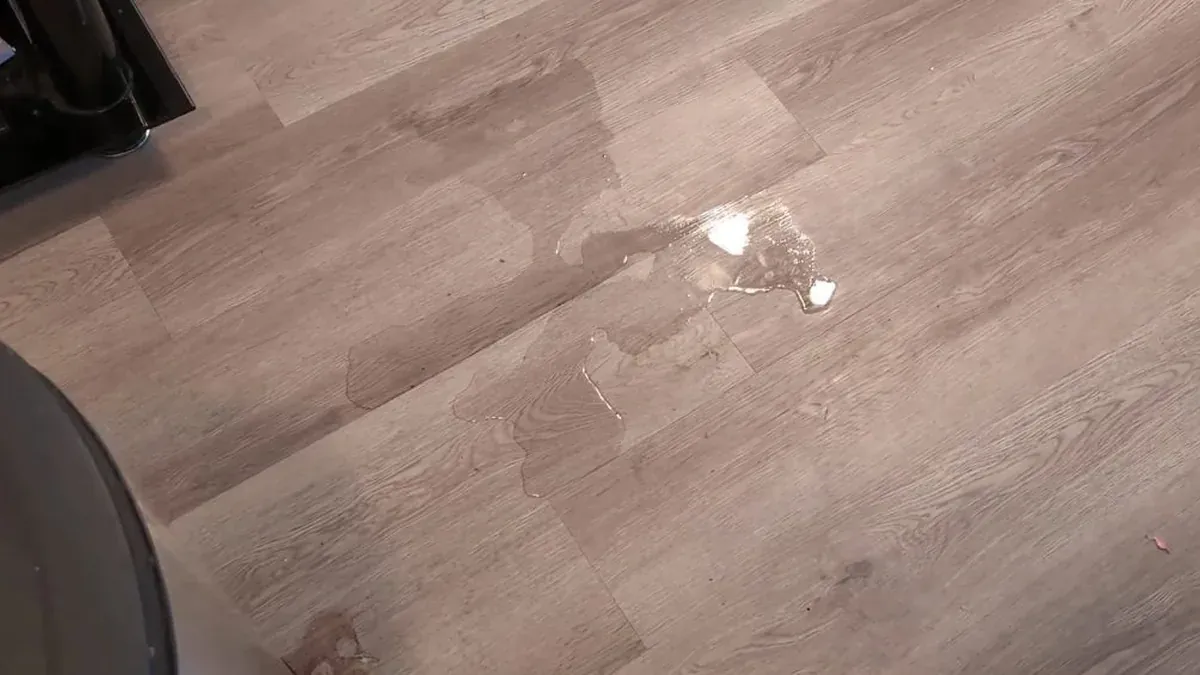
Mold testing, inspection and assessment
Mold can start to grow on damp materials within a couple of days, which is why moisture needs attention quickly. A musty odor, discoloration on drywall or ceilings and visible spotting are reasons to have the area inspected. An inspection looks at moisture levels, visible growth and the likely source, and testing may be recommended in some cases.
Testing results and the question of what can be salvaged are explained, not promised. A plumber can find and fix the water source, but mold assessment and removal are specialized work. Ask what qualifications any mold contractor holds and what standards they follow.
Flooded basement, crawl space and whole-house flooding
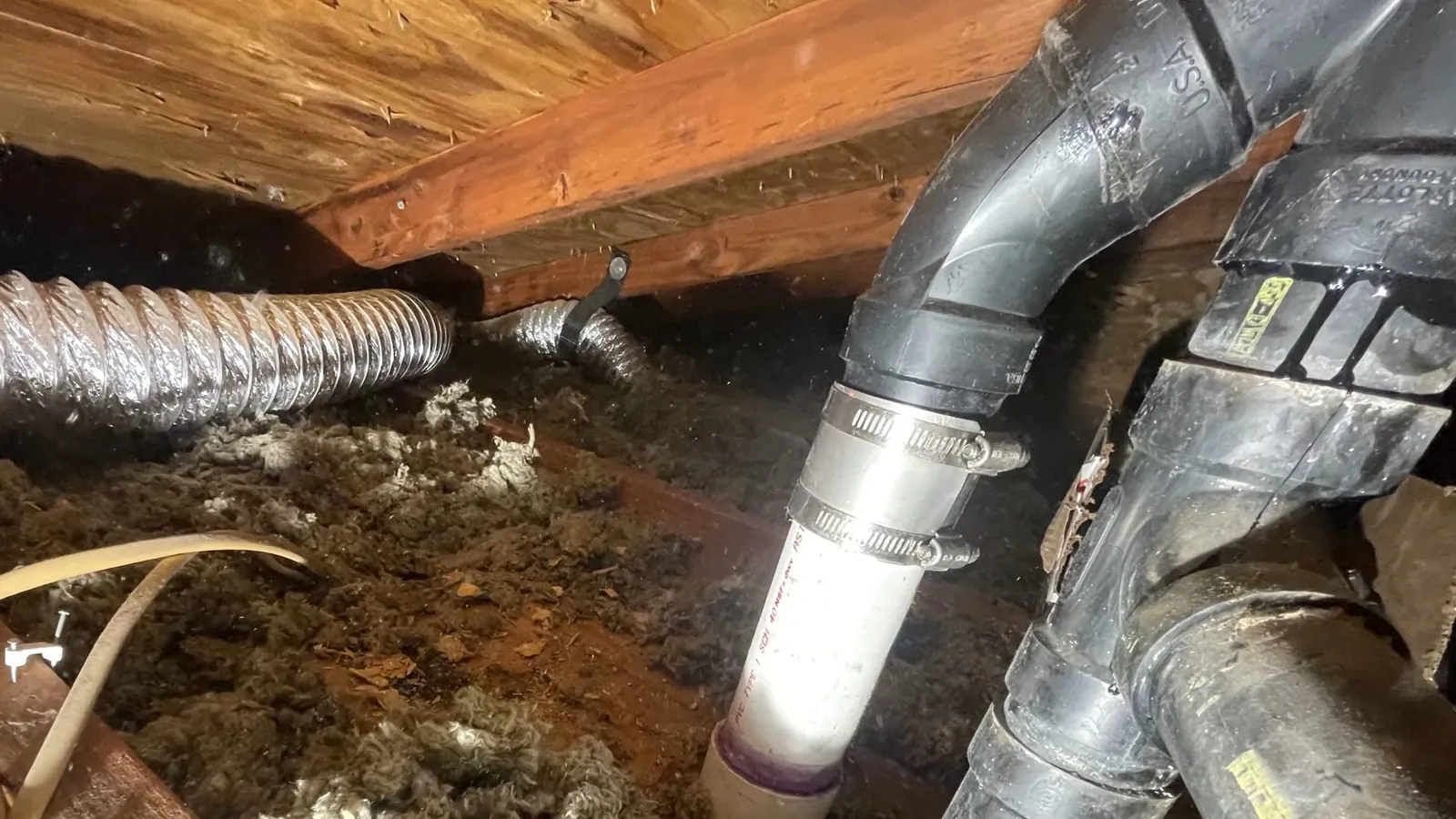
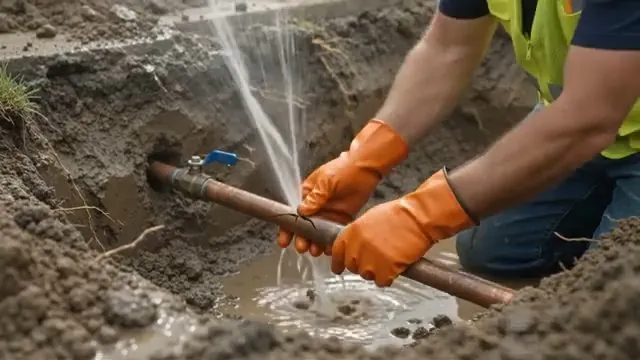
Plumbing causes come first: a burst supply line, a failed washing machine hose, a broken irrigation backflow device or a failed water heater. Stopping the source is step one. Water that has pooled in a basement or crawl space then has to be removed, and the space dried completely.
- Close the main valve and stop the flow before anything else.
- Keep power off in wet areas unless an electrician says it is safe.
- Move valuables, rugs and furniture out of the water.
- Photograph everything before cleanup begins.
Crawl spaces and basements hold moisture longer than living areas, so they deserve extra attention during drying.
Water spreading through the house? Call the water damage line now
Close the main valve if you can and call. This line is open at every hour.
Damage assessment and major loss inspection
A full assessment maps where the water went, which materials are wet and what the extent of the damage is. It uses moisture meters and, where useful, thermal imaging to find water behind walls and under floors. Major losses, such as a burst pipe in a vacant home, call for a more thorough review and careful documentation.
Vacant-home losses are tricky because water can run for days before anyone notices. Record when the home was last occupied, take photos and keep any readings. This record supports an insurance claim.
What happens on a restoration job
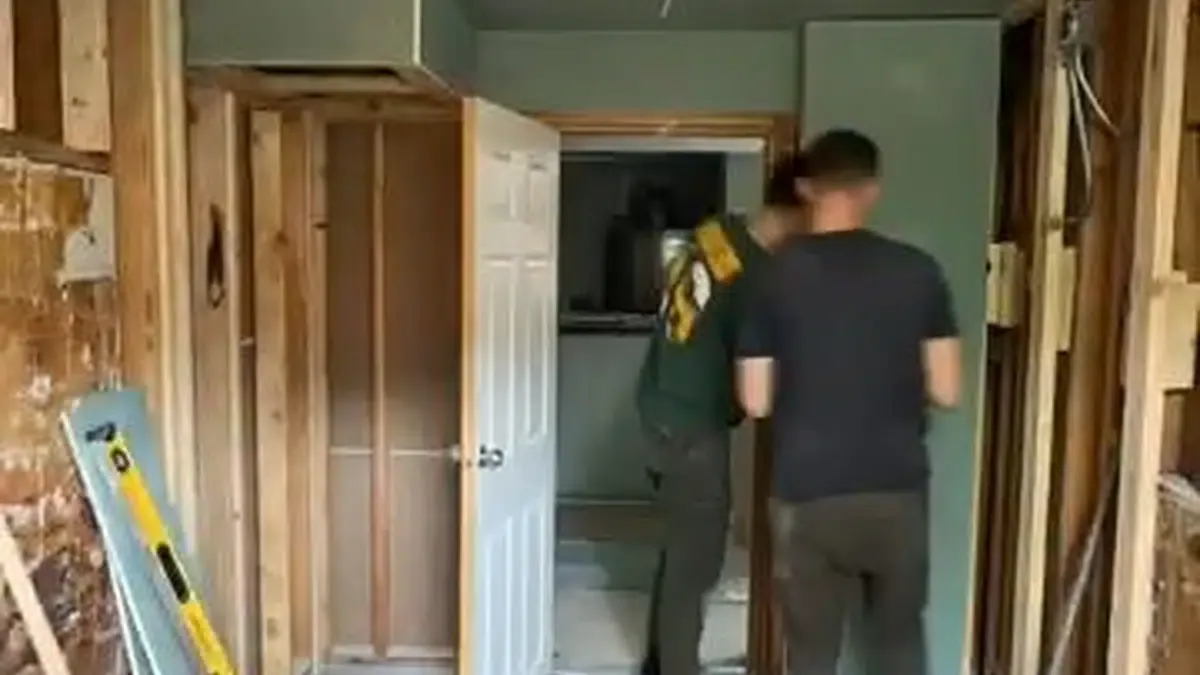
A restoration visit follows a predictable sequence. The goal is to stop the damage from spreading and to bring the building back to a dry, stable state.
- Stop the sourceThe plumber shuts off and repairs the leak or isolates the failed line.
- Remove the waterPumps and extractors take out standing water, and wet material that cannot be saved is removed.
- Dry the structureAir movers and dehumidifiers run until moisture readings return to normal.
- Check and restoreReadings confirm dryness, and repairs to drywall, flooring or finishes follow.
Dispatch can discuss the right level of response when you call. Same-day service is offered when available.
Mold remediation and removal: what to expect
Mold remediation means containing the affected area, removing materials that cannot be cleaned, cleaning what can be saved and fixing the moisture source so the problem does not return. Mold removal under a sink, behind a wall or in a crawl space follows the same logic. Nothing about it is a quick wipe-down, and no one can honestly promise a space is safe on the basis of a visual check.
Water mitigation comes first, because mold follows moisture. Ongoing leaks, unattended wet materials and slow drying are what let growth settle in. A plumber stops the leak, and a restoration or remediation specialist handles the cleanup. Ask for the process in writing, including how the work area is contained and what happens to removed material.
Other sources: washers, AC units, sprinklers and collapsed ceilings
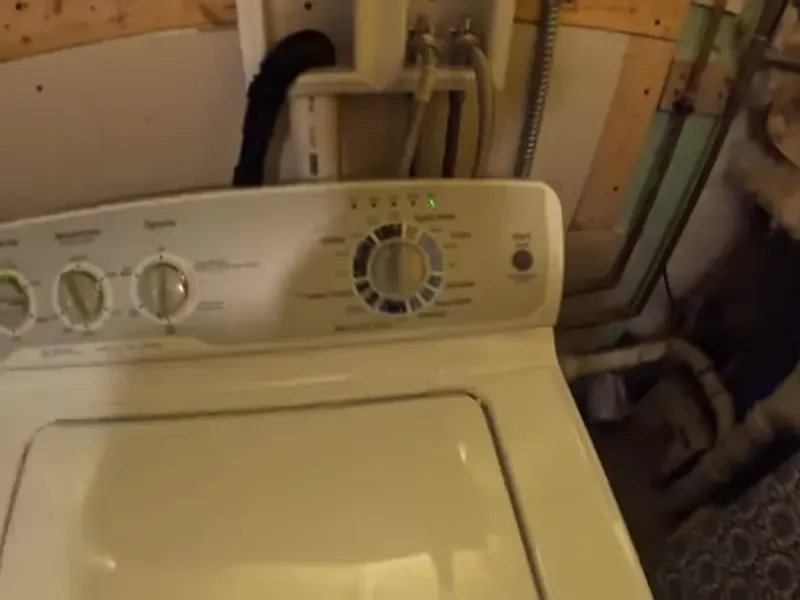
Water damage does not always start at a pipe in view. A washer hose, a closet water heater, a non-working AC drain line, a fire sprinkler line and a supply line behind a stairs wall can all be the source. A collapsed or sagging ceiling, a bird dropping stain mistaken for a leak mark and cupping floorboards near an HVAC closet are signs that water has been present for a while.
The first call is about stopping the source and judging salvageability of wet materials. Category of water, the term used for how contaminated it is, shapes what can be dried in place and what must be removed, and a restoration specialist should explain it before work begins.
Leaks from kitchens, bathrooms and under slabs
Leaks under a kitchen sink, behind a bathroom wall or beneath a slab each leave a different pattern. A sink supply line leak often soaks the cabinet floor and the subfloor below it. A bathroom leak can travel behind tile and show up as a stain in the ceiling below, and a slab leak wets the floor from underneath. In cold weather, an ice dam on a roof can also push water into ceilings and walls.
For the slab case, see slab leak repair. Water damage from an unattended leak, urgent response and immediate assistance all begin with the same step, which is closing the main valve and calling.
Water extraction and drying equipment
Extraction removes bulk water with pumps and wet vacuums, and it works well when started quickly. Air movers push moving air across wet surfaces, and dehumidifiers pull moisture out of the air so that it does not settle on cooler materials. Equipment typically runs for several days, and the plumber or restorer checks moisture readings along the way.
Do not turn the equipment off early. Materials can look dry while a reading shows moisture inside, and hidden dampness invites mold.
Burst pipes and plumbing leak damage
Restoration begins after the plumbing is fixed, not before. A burst pipe or a slow leak needs repair so the water stops, and the leak pages cover that side. See leak detection for finding the source, and burst and frozen pipe repair for the fix.
If water also came up through a drain, the sewer line may be involved. The sewer line page explains that repair, and the next section covers cleanup.
Sewage backup cleanup
Sewage is different from clean water. It carries bacteria and is treated as contaminated, so affected porous materials such as carpet and drywall usually have to be removed. Keep people and pets out of the area until it has been cleaned and sanitized properly.
Repair of the sewer line itself belongs to a plumber. For a blocked line behind the backup, see drain cleaning.
Flooring, carpet and what can be saved
Hardwood can cup and buckle when it takes on moisture, carpet pad usually has to be replaced and laminate swells at the edges. Quick extraction and drying give flooring its strongest chance, but nothing is guaranteed. A plumber or restorer can tell you what is likely to dry in place and what has to be removed.
Tile and sealed concrete usually come through well, while the subfloor underneath can stay wet. Ask for moisture readings under the surface before any new flooring is laid.
Roof, ceiling, air conditioner and irrigation sources
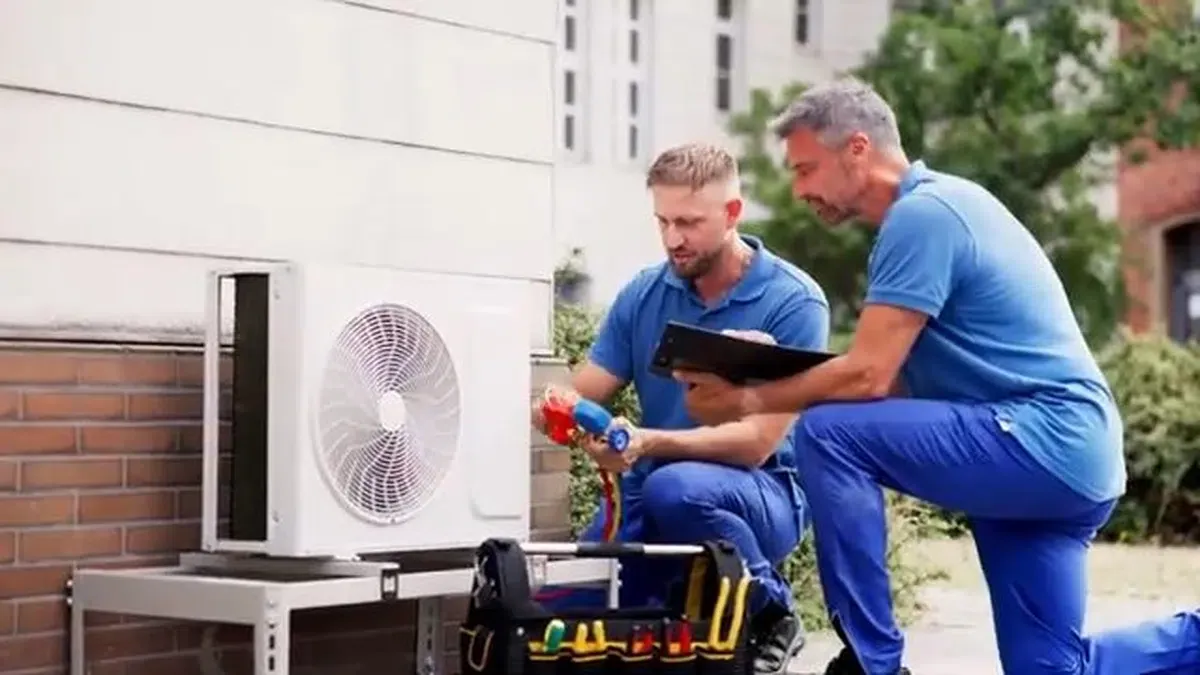
Not every wet ceiling is a plumbing leak. Roof damage, a clogged air conditioner drain line, an overflowing condensate pan and irrigation breaks all cause water damage. A plumber checks the plumbing first and tells you if the cause lies elsewhere.
Roof repair and air conditioning service are other trades, and dispatch can say whether a plumber suits the job. Basement waterproofing and foundation drainage also fall outside household plumbing, though a plumber can tell you whether a drain line is part of the problem.
Insurance claims and documentation
Insurers usually want evidence of the loss, the cause and what was done. Photos, dated notes, moisture readings and invoices all help. Call the insurer early, ask what they require and keep damaged materials until an adjuster has seen them if they ask.
Coverage is decided by the insurer, not by a plumber or a restorer. Read your policy and ask questions before signing anything.
Wet materials left alone can grow mold
Early drying protects floors and walls. Call before the damage settles in.
Condos, apartments, rentals and storm flooding
Multi-unit buildings add questions about who owns each part of the damage. A condo owner, an association and a neighboring unit may each play a role. Rain and river flooding from storms is a different loss from a plumbing failure and is usually handled separately by insurers.
For commercial properties, see commercial plumbing. Not every job is a water damage job, and for a plumbing emergency without water damage, the main emergency line is on the homepage.
Water damage in Sedona? Call the water damage line now
Dispatch is open 24 hours a day. Tell them what is happening and a plumber serving your area will be lined up.
- Licensed and insured plumbers
- Same-day service when available
- 24/7 emergency dispatch