 Sedona AZ
Cost guide for Sedona homeowners
What Drives Plumbing Costs in Sedona, AZ
Plumbing prices vary because two jobs with the same symptom can need very different work. A leak behind an open wall is a small repair, while the same leak under a finished floor is not. This page explains the factors that move a quote, service by service, so you can read one with confidence.
No dollar figures appear here. Prices for this area have not been published with a verifiable source, and a guessed number would mislead you more than it would help. The factors below are the part you can rely on.
- Licensed and insured plumbers
- Same-day service when available
- 24/7 emergency dispatch
Want a quote for your job?
Describe the problem and a plumber serving your area will be lined up.
(928) 766-1925Call (928) 766-1925
Why a plumbing quote cannot be read from a list price
A plumber prices the work in front of them: the labor to reach the problem, the parts it needs, the permits it triggers and how urgently it has to be done. Change any one of those and the total moves, even for the same fixture.
That is why published price lists mislead. A tankless install with a new gas line is a different job from one that reuses the existing line, yet both get called a tankless install. The service pages describe the work, and this page describes what makes each job larger or smaller.
Readers often search for typical price ranges, an average cost or a 2026 figure for a common job. None is published here, because a range without a verifiable source would be a guess. What stays true from year to year is the list of factors, and those are covered below.
This site refers callers to independent plumbers and does not set prices. Each plumber quotes their own work, so always ask what the quote includes before you agree.
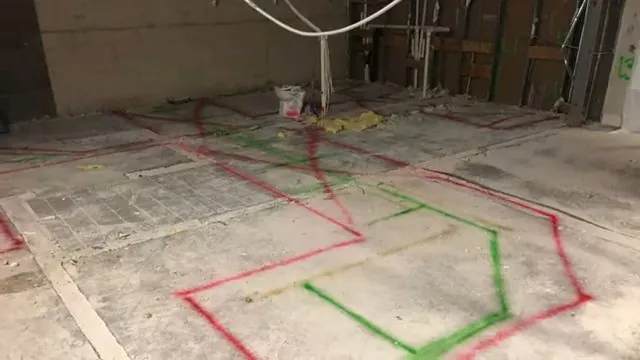
How a quote works from the first call
Pricing starts on the phone and finishes at your property. The steps below show where each piece of information comes from.
- The call. Dispatch asks what is happening, where the problem is and how long it has been going on. Expect questions about the type of home, the fuel for the water heater and whether water is still running.
- The visit. For many jobs the scope cannot be confirmed from a description. A plumber may need to look at the pipe, run a camera or open an access point before saying what the repair involves.
- The scope. You should hear what is wrong, what the repair involves and what is and is not included. Ask about permits, cleanup and any restoration of floors or walls.
- The decision. Work starts when you agree. If the plumber finds something unexpected, the scope and the price should be discussed again before the extra work begins.
Some jobs can be described well enough by phone to give a firmer idea, and others only after a visit. Dispatch will tell you which kind yours is.
Leak detection and slab leaks
Finding a leak is billed differently from fixing one, and the two can be separate decisions. The main factors are in the table. See the leak detection page and the slab leak page for the work itself.
| Cost factor | How it changes the work |
|---|---|
| Size of the property and number of suspect lines | A larger home with several supply lines takes longer to isolate than a small one with a single line. |
| Method used and whether the leak can be reached without opening walls or ground | A leak reached through an access panel is quicker than one behind tile or beneath concrete, and underground leak detection on a line outside the house adds ground to cover. |
| Time to isolate the leak: foundation size, floors, number of lines | On a slab foundation, tracing the line section by section adds time when the layout is complicated. |
| Detection equipment used (acoustic, thermal, tracer) | Different tools suit different pipes and floor coverings, and some need a second pass. |
| Spot breakout through the slab versus rerouting the line overhead | A small opening at the leak is one approach, and running a new line through the attic or walls is another, with different labor. |
| Restoration after repair: flooring, drywall, finishes | Closing up is part of the job. Tile, hardwood and paint each add their own work. |
Want to know what your job involves?
Call dispatch and describe the problem. The plumber who visits will explain the scope and the price before work starts.
Drains and sewer lines
Clearing a clog is usually a smaller job than repairing a line, and the factors reflect that. Read the drain cleaning page and the sewer line page for detail.
| Cost factor | How it changes the work |
|---|---|
| Cleanout access and where the blockage sits (branch line versus main line) | A blockage near an open cleanout is easier to reach than one deep in the main line. |
| Whether a camera look is needed to confirm the cause | A camera adds a step, and it often saves guessing when clogs return. |
| Length of the run being cleared | Longer runs take more cable or more time with a jet. |
| Roots versus grease or scale, and the cutting head needed | Roots call for cutting heads, and grease or scale calls for jetting, which are different tools. |
| Length and diameter of the line | A longer or wider sewer line means more pipe, more digging or more lining material. |
| Condition of the existing pipe: cracks versus collapse | A cracked pipe may be patched or lined, and a collapsed one usually has to be replaced. |
| Reconnecting side branches after lining | A lined pipe has to be reopened where branch lines join, which adds a step. |
Method matters as much as the blockage. A mechanical snake, meaning a cable fed through the line, suits many clogs, while high-pressure hydro jetting washes out grease and scale. A sewer camera inspection shows the pipe before anyone decides between digging, a no-dig repair and trenchless lining with a cured-in-place pipe (CIPP). Relining is often described per foot, so line length drives it, but this page publishes no per-foot figure.
Water heaters: repair, replacement and tankless
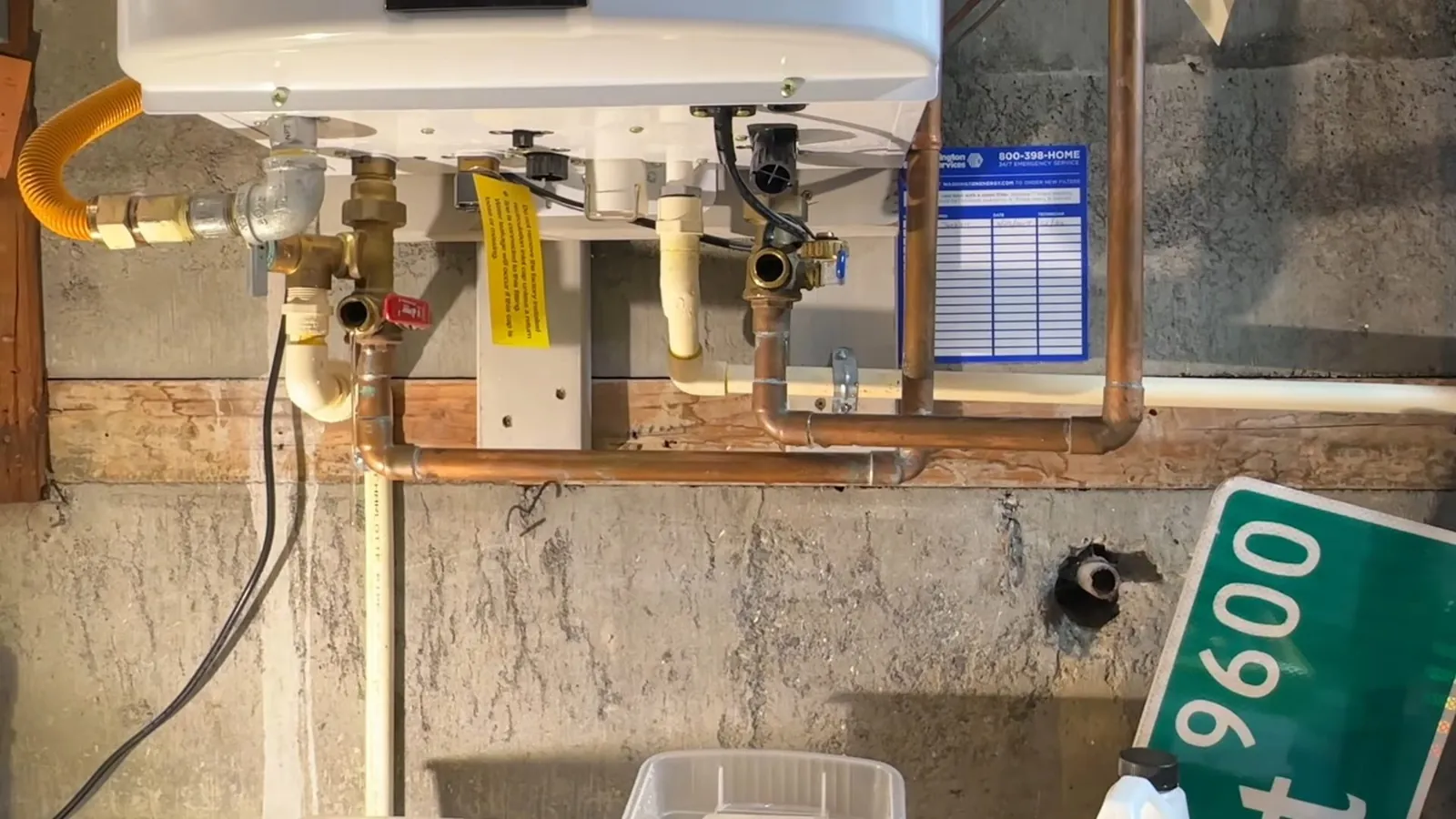
Heater prices depend as much on the house as on the unit, whether you are repairing a hot water heater or installing a new one. A tank swapped in the same spot is simple, and a conversion or relocation is not. See the repair, replacement and tankless pages for each job.
| Cost factor | How it changes the work |
|---|---|
| Which part has failed and whether it is stocked | A common part on the truck is a same-visit repair, and a special-order part means a second trip. |
| Age of the unit: repair versus replace threshold | An older unit with a major failure may not be worth repairing, and the plumber can explain where that line falls. |
| Tank size and fuel type (gas, power vent, electric) | A larger tank costs more, and fuel type changes the connections, venting and electrical work. |
| Code items: expansion tank, permits, venting corrections | Current code can require an expansion tank, a permit or a corrected vent, all of which are part of the job. |
| Gas supply line size and meter capacity | An on-demand tankless unit draws more gas at once, so an undersized line or meter may have to be upgraded. |
| Electrical capacity and panel space | Some units need a dedicated circuit, which depends on what the panel can carry. |
| Venting route and condensate drain | The vent path and the drain for condensation affect the amount of piping and wall work. |
| Annual maintenance | A tankless unit is usually flushed or descaled as annual maintenance, which is a separate visit from the install. |
Repiping, water lines and gas lines
These are the largest plumbing projects in most homes, and access dominates the price. Details are on the repiping, water line and gas line pages.
| Cost factor | How it changes the work |
|---|---|
| House size, bathrooms and number of stories | More fixtures and longer runs mean more pipe and more hours. |
| Access: crawlspace, attic or slab | Open access keeps labor down, and finished walls or a slab add work. |
| Pipe material choice and wall repair afterward | Copper and PEX both appear in repipes, and copper pipe replacement and a PEX reroute differ in parts and labor. Every wall opened has to be patched. |
| Whole house versus a section | Repiping the entire house is a larger project than replacing one run, even when the pipe is the same. |
| Length and depth of the service line, and the material replacing it | A long or deep line takes longer to replace, and the new material affects the parts. |
| Trenchless versus open trench, and surface restoration (landscape, driveway) | Trenchless methods limit digging but need special equipment, while open trenches need the surface rebuilt. |
| Who owns which section (meter side versus house side) and utility permits | Utility rules decide who may work on which section and what approvals are required. |
| Run length, pipe material and number of appliance connections | Gas line repair and a new extension both grow with distance and with each appliance served. |
| Pressure test and inspection requirements | A pressure test and any required inspection are part of finishing the job. |
Fixtures, disposals and water quality
Smaller jobs still vary. The fixture repair, disposal and softener and filtration pages describe each in turn.
| Cost factor | How it changes the work |
|---|---|
| Parts versus whole-fixture replacement | Replacing a worn washer is small, and a new faucet or toilet is a different order of job. |
| Shutoff valve and supply line condition | A corroded shutoff or a brittle supply line often gets replaced at the same visit. |
| Motor size and build of the unit | For a garbage disposal, replacement, installation and repair all start with the unit, and a stronger motor and better build cost more and tend to last longer. |
| Outlet, switch and discharge changes under the sink | If the new unit does not match the old connections, the plumber adapts the outlet or the drain. |
| System type (softener, whole-house filter, reverse osmosis) and capacity | Each system treats a different problem, and capacity depends on household use. |
| Local water hardness and drain/electrical hookup at the install location | Harder water calls for a bigger system, and the install spot needs a drain and power. |
Need a plumber to look at it?
Dispatch is open at every hour. Call, and a plumber serving your area will be lined up.
Water damage cleanup and mold
Cleanup after a leak or flood is priced by the amount of water, the materials it reached and how long they stayed wet. Mold remediation pricing depends on whether testing finds growth and how far it has spread, which cannot be known before someone looks. The water damage page describes the steps.
Water damage only: Calls about water removal and drying go to a dedicated line. (928) 260-9016
Commercial plumbing
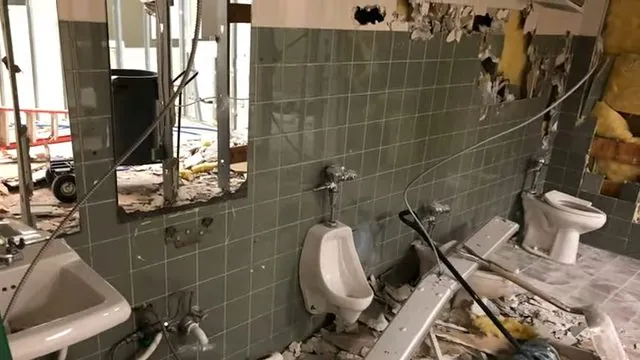
Business work is quoted on scope, building size and access. A small shop with one restroom differs from a restaurant with grease traps and several lines. Hours matter as well, because many businesses need work done after closing. The commercial plumbing page describes what to have ready.
After-hours calls and temporary fixes
Emergency work can differ from scheduled work. An after-hours visit adds items compared with a scheduled one, such as the call-out itself and the hour. Ask whether a service call fee applies and how emergency rates are set, because both differ by plumber. No figures are given here.
At an urgent visit, the plumber may stop the damage first with a stop-gap, then schedule the full repair for a normal hour. A temporary stop-gap versus a full repair at the same visit is the choice to ask about. Stopping a leak and finishing the repair can be separate decisions with separate scopes.
Why two quotes for the same problem can differ
- One plumber may price a temporary fix and another a permanent repair, so the quotes are not comparable.
- The scope may differ: permits, cleanup and wall repair are included in one quote and left out of another.
- Parts and materials vary in grade and warranty from one quote to the next.
- Access assumptions differ, and a plumber who has seen the space quotes more accurately than one working from a description.
- Timing differs, since an urgent visit and a scheduled one are priced differently.
When quotes disagree, ask each plumber to list what is included. The difference is usually in the scope, not in the rate.
How to get a clearer quote
- Describe the symptom plainly and say how long it has been happening.
- Know your water heater fuel type, the age of the home and where the main valve is.
- Take photos of the problem and of the equipment label.
- Ask what is included, what is not and what could change the scope.
- Ask whether a permit is needed and who handles it.
If you want general answers about timing and permits, the FAQ page covers them. For the quote itself, call dispatch.
Call dispatch about your plumbing job
Dispatch is open 24 hours a day. Tell them what is happening and a plumber serving your area will be lined up.
- Licensed and insured plumbers
- Same-day service when available
- 24/7 emergency dispatch