 Sedona AZ
Water softener and filtration
Scale, Spots or Taste Concerns in Sedona, AZ? Softener and Filtration Options Explained
A softener is not a filter, and mixing up the two is the most common mistake in water treatment. A softener swaps hardness minerals for sodium or potassium, which protects pipes and appliances from scale. A filter removes particles or specific contaminants, and reverse osmosis cleans drinking water at one tap. Knowing which problem you have decides which equipment you need.
- Licensed and insured plumbers
- Same-day service when available
- 24/7 emergency dispatch
Talk to dispatch now
Describe the problem and a plumber serving your area will be lined up.
(928) 766-1925Call (928) 766-1925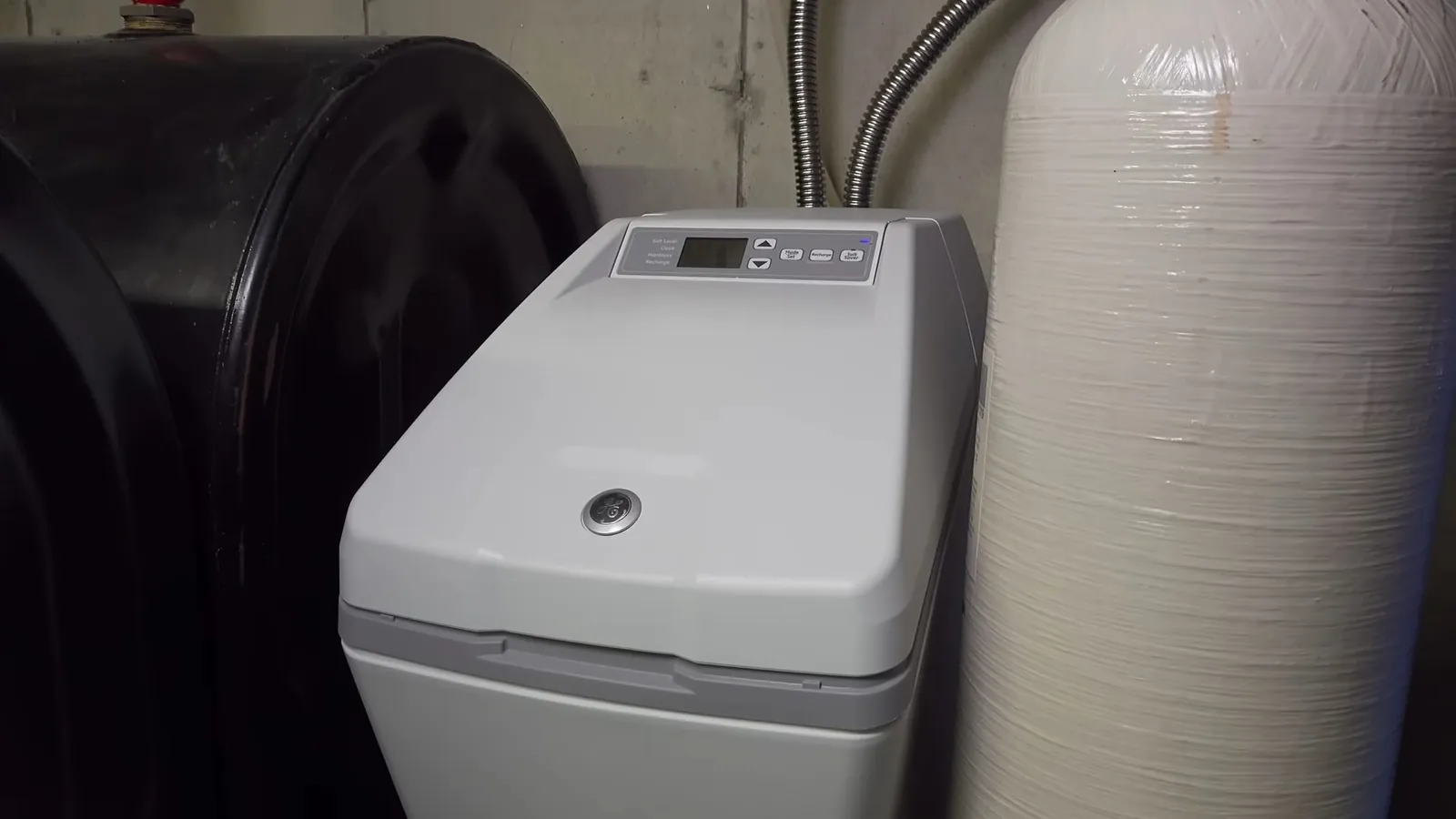
Water softener installation
A softener connects to the main water line, usually near where the supply enters the house, and treats everything downstream. Installation involves a bypass valve, a drain connection for the regeneration cycle, a brine tank and a power outlet. The plumber picks a spot that is accessible for salt refills and has a drain nearby.
Size the unit to the household. The number of people, the water hardness and the daily use decide how large the resin tank should be and how often it regenerates. An undersized unit regenerates constantly, and an oversized one wastes salt and water.
Whole-house filtration
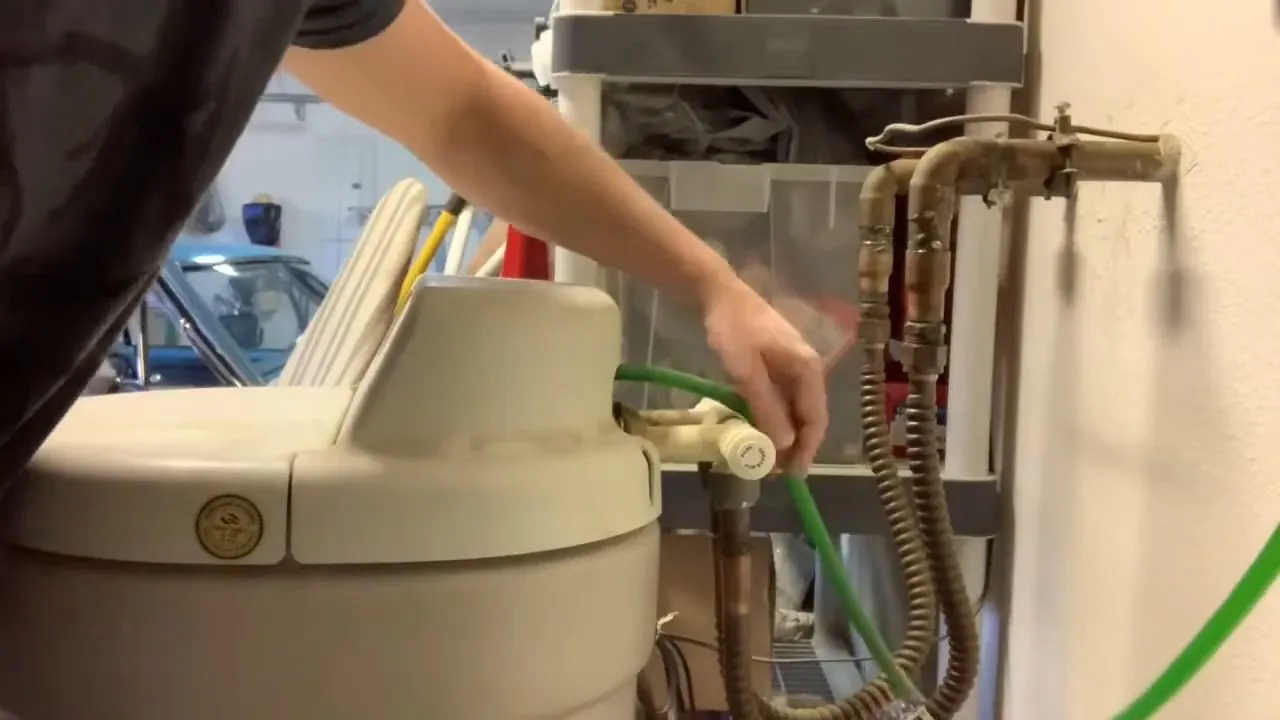
A whole-house filter treats all the water entering the home. Sediment filters catch sand and rust particles, carbon filters reduce chlorine taste and odors and specialty media target specific contaminants. A filter set up for one problem does not fix another, so the choice should follow what is actually in the water.
Groundwater wells feed the Sedona system run by Arizona Water Company, which publishes an annual water quality report. The 2023 edition carries a PFAS notice, and the utility states the water meets state and federal standards. Read the report for what it lists, and ask a plumber or a water treatment specialist what equipment, if any, matches your concern.
Under-sink and drinking water filters
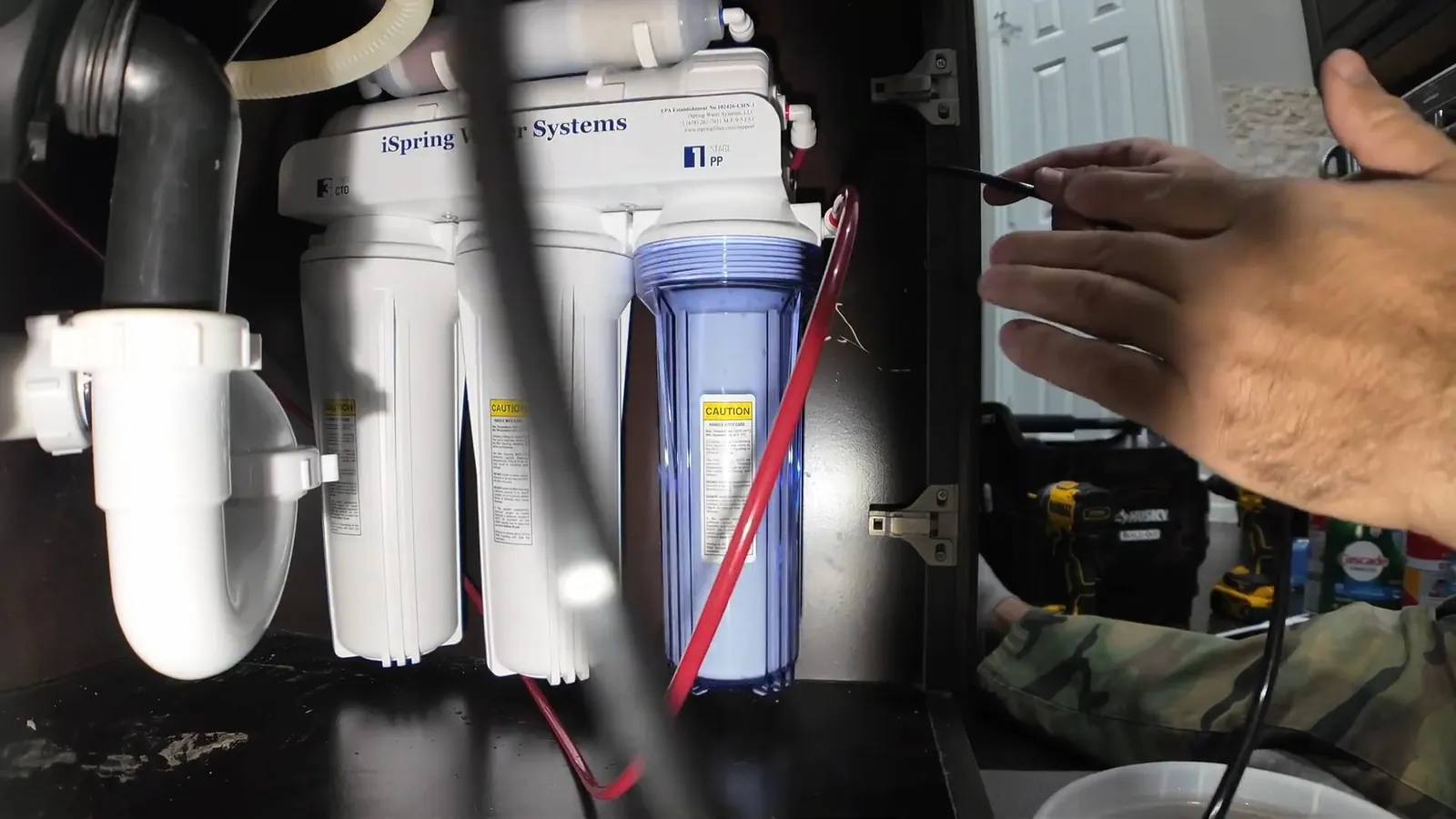
An under-sink filter treats the cold water at one tap, usually the kitchen. It takes up cabinet space but delivers filtered water on demand without a pitcher. A separate faucet is typical, and a line can also feed a refrigerator or an ice maker.
Cartridges need replacing on schedule, and a filter left in place too long stops working and can add its own taste. Set a reminder when it is installed.
White crust and spotted glass? Ask about a softener
Describe the problem and dispatch will arrange a plumber serving your area.
Reverse osmosis: what it does and when it makes sense
Reverse osmosis pushes water through a very fine membrane that removes a wide range of dissolved substances. It is typically installed under the kitchen sink and supplies a dedicated faucet. The system wastes some water during treatment, and it produces water slowly into a small storage tank.
It suits households that want the cleanest possible drinking and cooking water. It does not treat the whole house, and it pairs well with a softener, since hard water shortens membrane life.
Softener repair and service
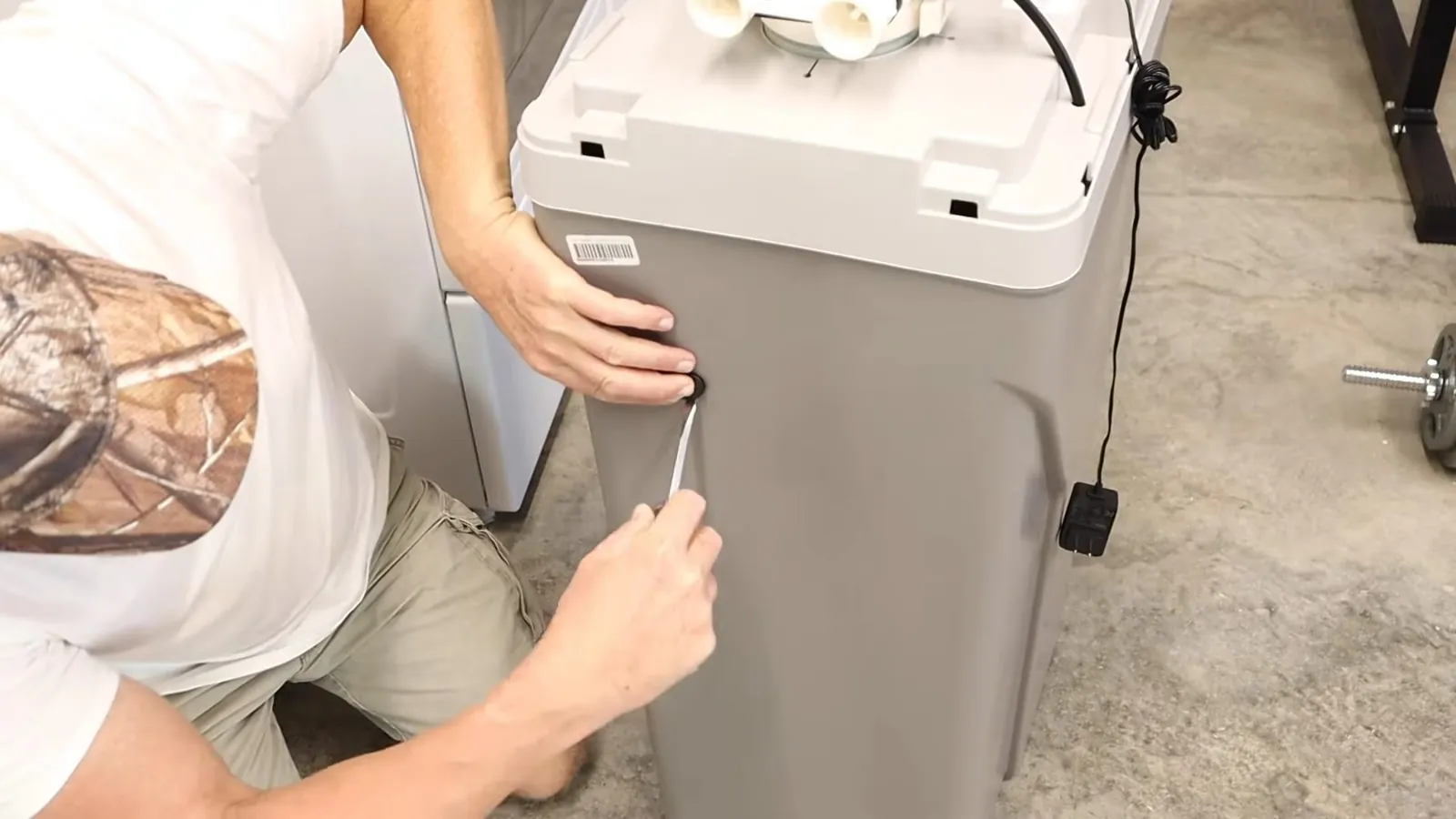
Softeners fail in familiar ways. Salt can bridge in the brine tank so that no brine forms, the resin can wear out over time and the control valve can stick. A unit that stops softening, makes a lot of noise or leaves salt in the water needs a look.
| Symptom | Likely cause |
|---|---|
| Hard water signs return | Salt bridge, exhausted resin or a stuck valve |
| Salty taste | Brine draw or drain problem |
| Constant running water at the drain | Valve fault or stuck regeneration |
| Low water pressure | Clogged resin bed or a plugged valve screen |
| Rust-colored water | Iron fouling of the resin |
Ask the plumber to check the resin condition and the valve, not only to refill the salt.
Hard water signs and testing
Hard water leaves a white crust on faucets, cloudy spots on glass, soap that will not lather and scale in kettles and water heaters. A simple test kit measures hardness at home, and a lab test can look at a longer list of items. No hardness number is published here, since the figure varies by address and system, and the utility report is the place to look.
Scale shortens the life of heaters, so hard water shows up as an appliance problem before it shows up as a softener decision. See water heater repair for the heater side.
Water treatment and conditioning, compared
Water treatment is a broad category. Softeners exchange minerals, conditioners alter how scale forms without removing hardness and filters take out particles or chemicals. A conditioner may reduce scale buildup without salt, but it does not produce the slick feel of softened water.
- Softener: removes hardness minerals, uses salt or potassium, needs a drain.
- Conditioner: changes scale behavior, no salt, no drain.
- Sediment filter: catches particles, needs cartridge changes.
- Carbon filter: improves taste and odor, needs cartridge changes.
- Reverse osmosis: treats drinking water at one tap.
Salt, brine and regeneration in plain terms
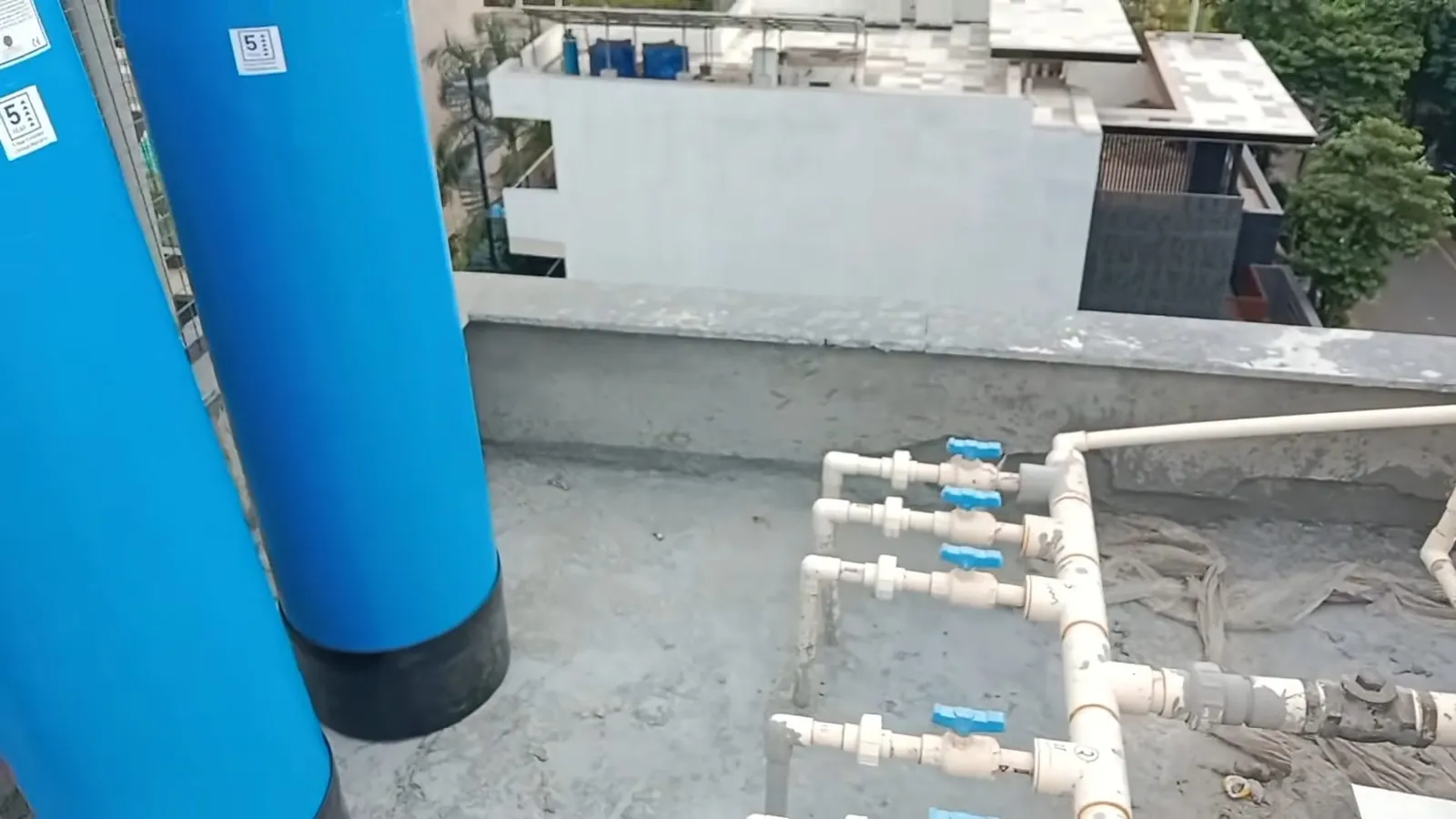
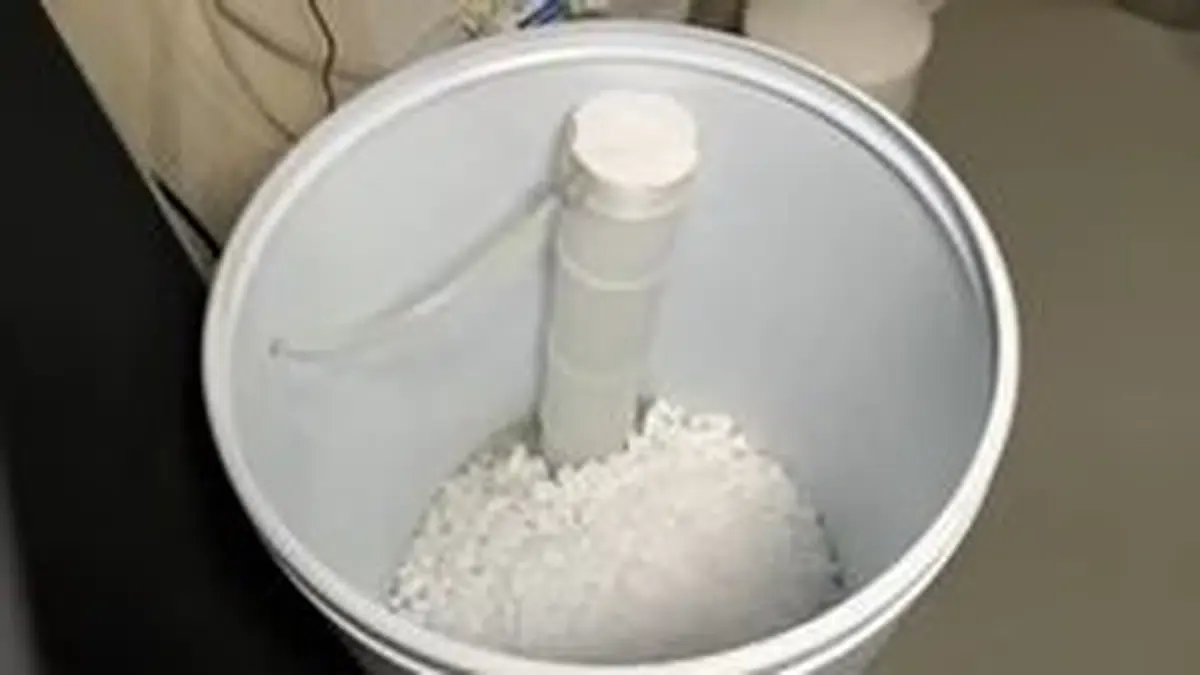
A softener holds resin beads coated with sodium. As hard water passes through, the beads trade their sodium for calcium and magnesium. When the beads fill, the unit flushes them with brine, which restores the sodium and washes the minerals down the drain.
That cycle is regeneration, and it is the reason a softener uses salt. Check the tank every month and keep it above the water line. For tankless units and scale, see tankless water heaters.
Softeners, heaters and pipes: the downstream effects
Scale does not only coat faucets. It builds on heating elements, narrows pipes and reduces the efficiency of anything that heats water. A softener upstream of the heater helps all of them, while a filter alone does not.
If you already see scale problems, check the equipment that suffers first: the water heater, the dishwasher and any tankless unit. A plumber can look at a cut section of pipe or an old element and tell you how much buildup there is.
Ion exchange, replacement units and RO for ice machines
A softener works by ion exchange, and a unit that has aged out can be swapped for a replacement without redoing the plumbing around it. A machine that makes ice or coffee often needs its own filter, and a small RO unit is common for restaurants and offices. Delivery and installation of the equipment is a plumber job, but ask who stocks the salt and cartridges.
Check that any RO or filter system carries a rating suited to the use, and ask for the maintenance schedule in writing.
Not sure whether you need a softener or a filter?
Start with what you are seeing and tasting, then match the equipment to it.
Planning the work with a plumber
Settle the budget questions before the visit: what the unit costs, what salt and cartridges cost per year and who services the equipment later. Ask what the plumber recommends and why. A good answer starts with the problem you described, and a bad one starts with the equipment on the truck. Request a clear scope covering the equipment, the installation, the drain, the electrical needs and the warranty.
The cost page explains what drives a quote, and the FAQ page answers common questions about treatment equipment.
Water treatment questions in Sedona? Call dispatch
Dispatch is open 24 hours a day. Tell them what is happening and a plumber serving your area will be lined up.
- Licensed and insured plumbers
- Same-day service when available
- 24/7 emergency dispatch