 Sedona AZ
Tankless water heater service
Tankless Water Heater Installation, Descaling and Repair in Sedona, AZ
When you call about a tankless unit, dispatch asks which model you have, whether it runs on gas or electricity and what it is doing, such as flashing an error code, running lukewarm or shutting off mid-shower. That information tells the plumber which parts and tools to bring. This page explains the main jobs: descaling, installation, repair and converting from a tank.
- Licensed and insured plumbers
- Same-day service when available
- 24/7 emergency dispatch
Talk to dispatch now
Describe the problem and a plumber serving your area will be lined up.
(928) 766-1925Call (928) 766-1925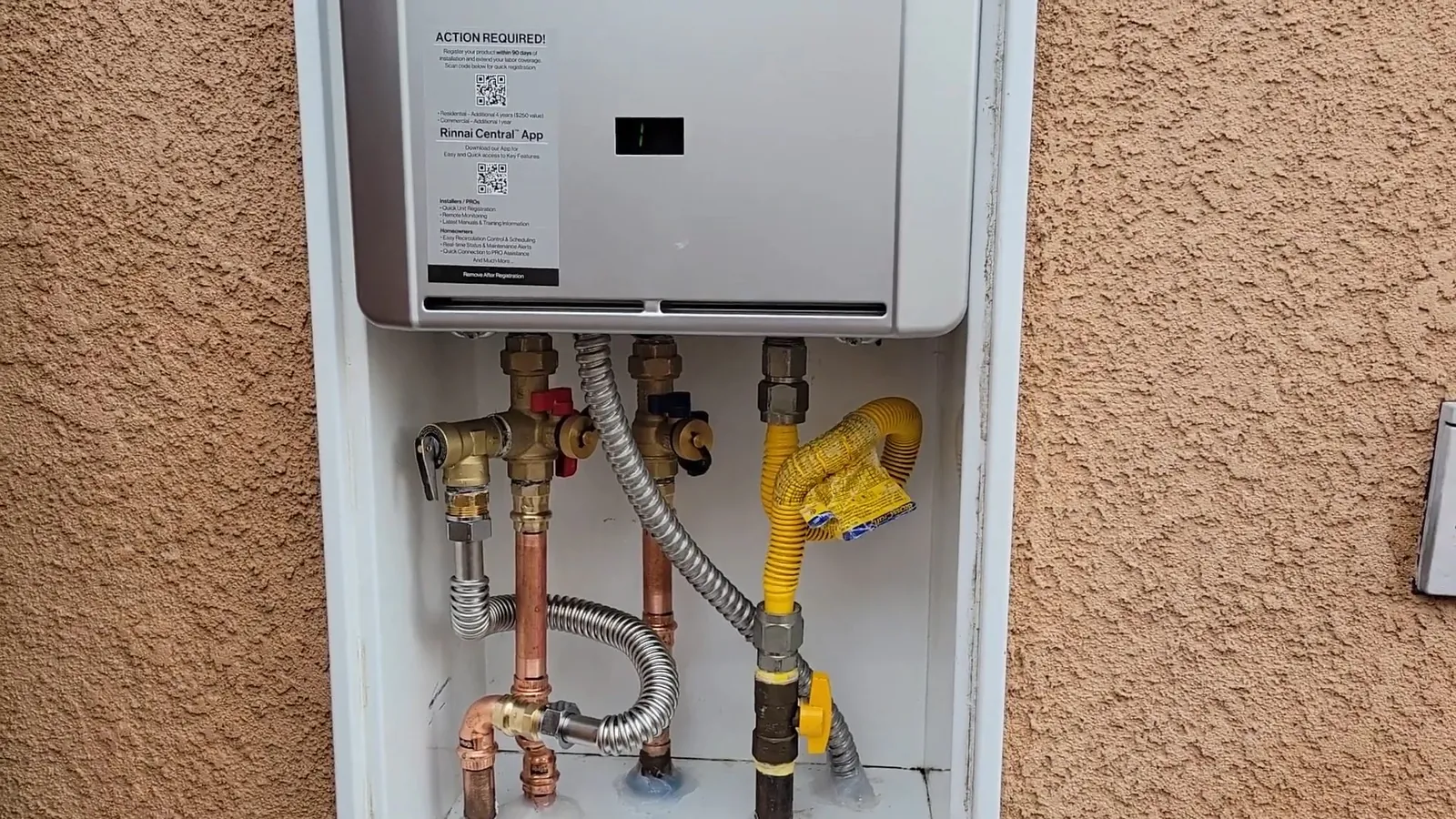
Flushing and descaling a tankless unit
A tankless heater has narrow passages inside its heat exchanger, and mineral scale narrows them further. A scaled-up unit heats slowly, throws error codes and wastes fuel. A descaling flush circulates a mild acid solution through the exchanger and rinses it out.
How often the flush is needed depends on the water. Ask the plumber to check the inlet screen and the exchanger when the unit is serviced, since a clogged screen mimics a failing unit. Some owners add a scale inhibitor or a softener upstream, and the water softener and filtration page covers the options.
Installation: gas supply, venting and power
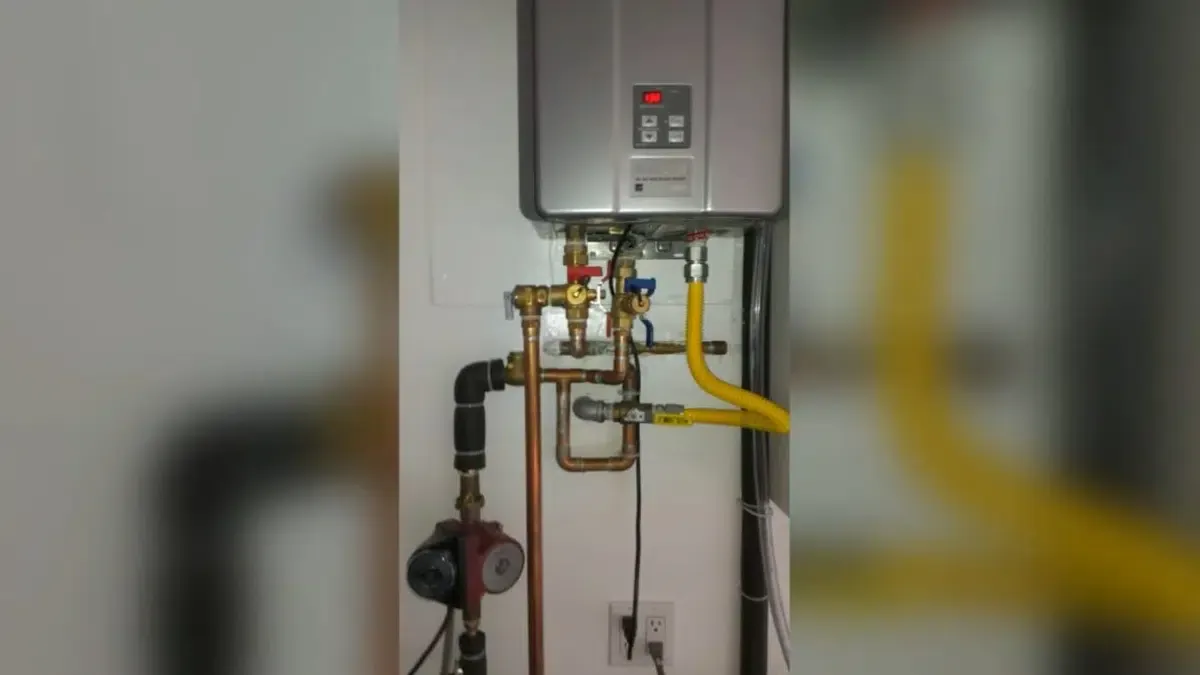
A tankless unit has more demanding requirements than a tank. A gas model needs a supply line sized for the larger burner, a vent suited to the unit and a condensate path for high-efficiency models. An electric model draws a lot of current and often needs a new dedicated circuit, which can be the deciding cost.
- Gas line capacity is checked against the unit rating before ordering.
- Venting runs through a wall or roof, and the route is settled first.
- Electric units need breaker space and heavy-gauge wire.
- Water lines and isolation valves are fitted for later servicing.
If the existing gas piping is too small, the work may extend to the gas line itself. The gas line page describes that side of the job.
Repair and troubleshooting
Common tankless problems have recognizable patterns. A unit that never fires may have a blocked vent, a flow sensor fault or a lack of gas or power. Water that swings between hot and cold can point to a flow rate below the minimum the unit needs to ignite, or to a failing sensor.
| Symptom | Usual suspects |
|---|---|
| Error code on the display | Vent, flow, ignition or sensor fault; the code narrows it |
| Lukewarm water | Scaled exchanger, partly closed valve or an undersized unit |
| Hot, cold, hot, cold | Low flow, a sensor problem or a crossover between lines |
| No hot water | Gas or power interruption, blocked vent or a failed control board |
| Water never gets hot at a distant tap | Long pipe run; a recirculation line may help |
Note the code and the model number before you call. Dispatch passes them to the plumber, who can often come prepared with the likely part.
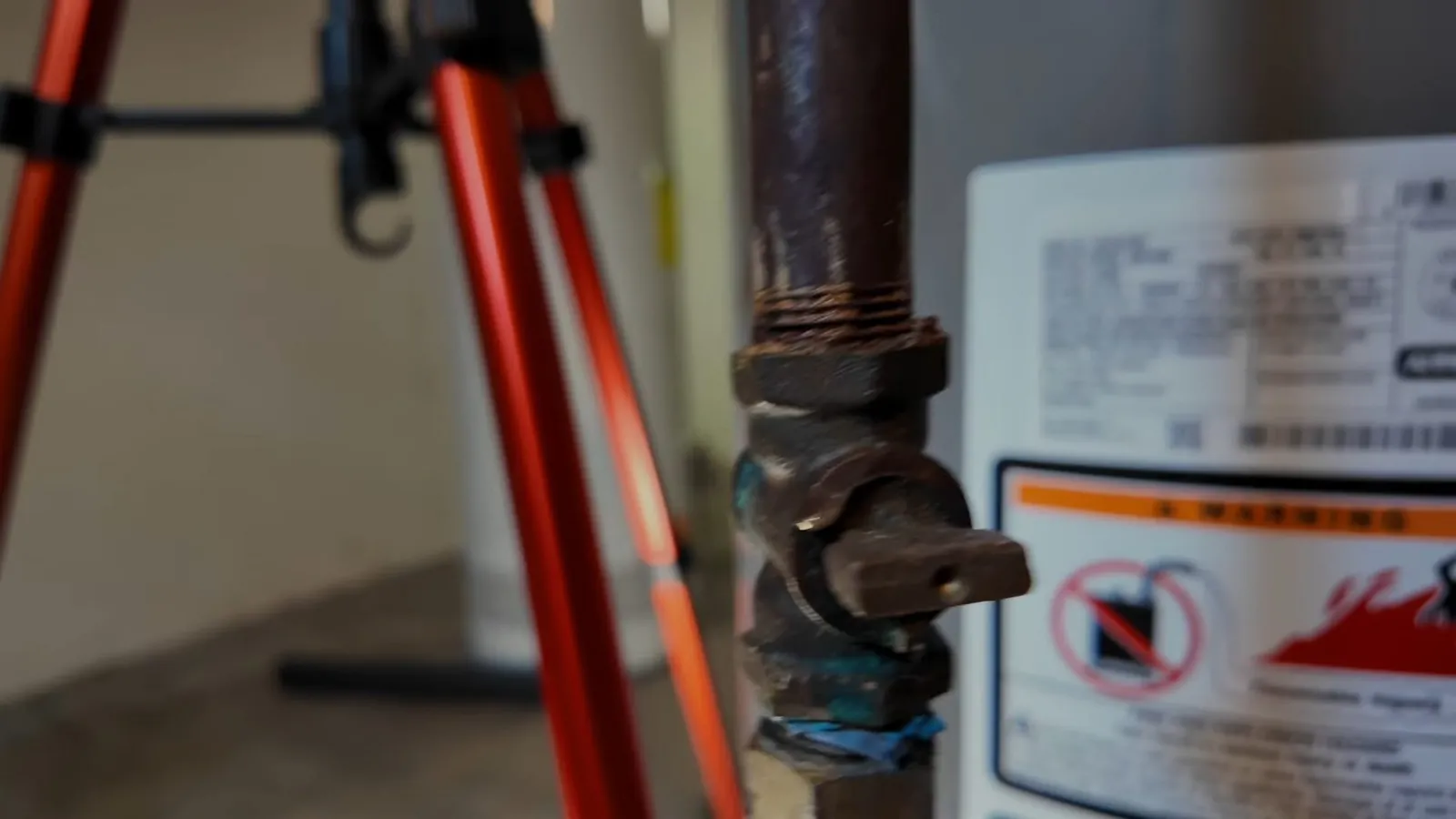
Tankless unit flashing a code or running cold?
Share the model and the code. Dispatch will arrange a plumber serving your area.
Replacement and conversion from a tank
Converting from a tank to a tankless unit changes more than the heater. The old gas line may need upsizing, the flue may need replacing and the electrical panel may need work. A same-type replacement of an older tankless unit is simpler, since the supply, vent and drain are already in place.
If you are weighing the change, ask for the full scope, not only the price of the unit. The tank replacement page lays out what staying with a tank involves, so you can compare the two honestly.
Tankless versus a storage tank
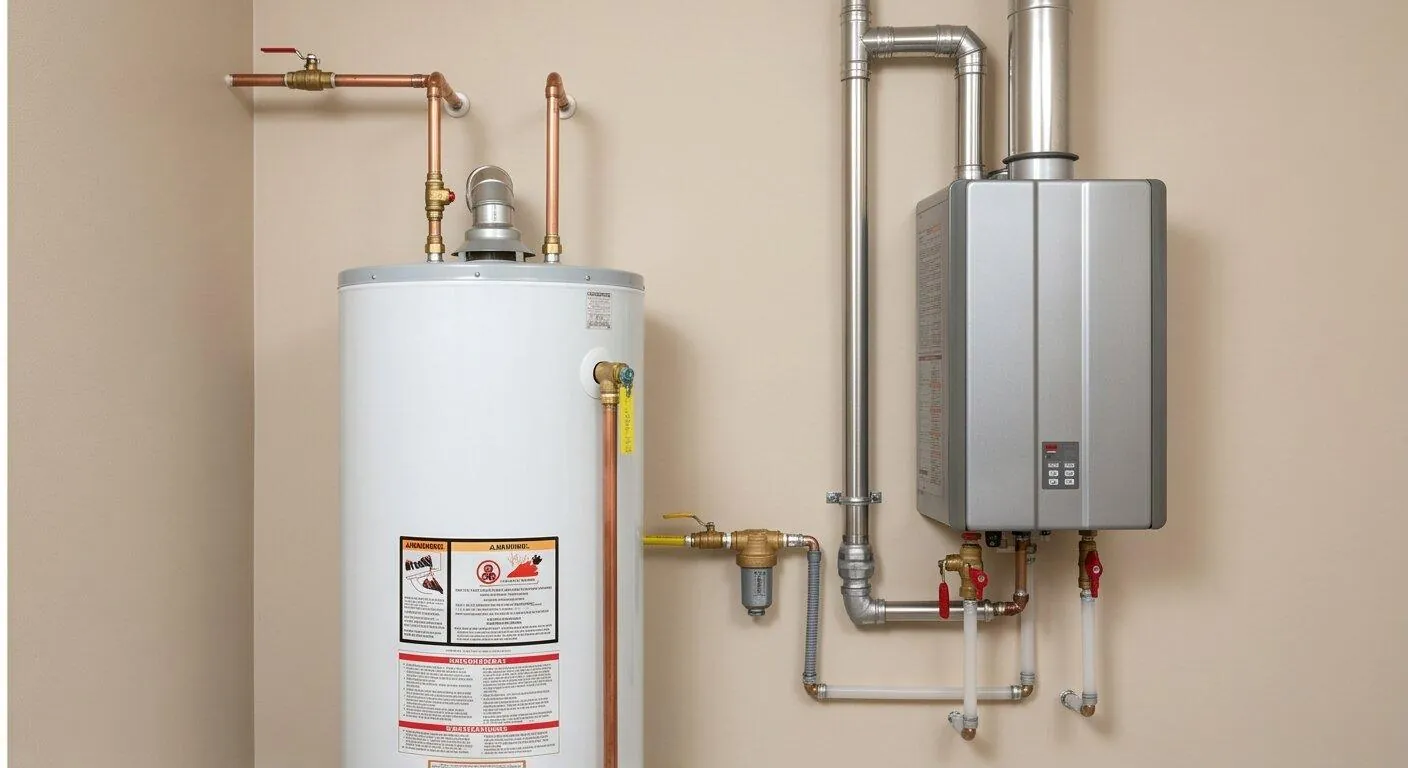
A tankless unit never runs out as long as demand stays within its capacity, and it frees floor space. A tank handles several simultaneous draws without strain and usually costs less to buy and install. The right choice depends on how many fixtures run at once and how much the household values space and endless hot water.
Neither is better in every home. A plumber can estimate peak demand from a list of your fixtures and tell you whether one tankless unit is enough or two are needed.
Gas or electric, and which brands
Gas units deliver higher flow rates, which suits larger homes. Electric units are simpler but limited by the available power and can struggle with a high winter temperature rise. Most major brands are serviceable by a trained plumber, and parts availability matters more than the badge on the front.
Ask whether the proposed model is one the plumber services regularly, and what the manufacturer warranty requires for maintenance. Skipping scheduled descaling can void coverage on some units.
Installers and what to ask them
Tankless installers vary in how much they know about venting, gas sizing and descaling. Ask how many units they service, whether they handle the permit and whether they offer a maintenance visit. If a reverse osmosis system or a softener is on the plan, ask how it fits with the heater.
A good installer explains the choices instead of pushing one model, and leaves the manual and the settings for you to keep.
What to have ready before you call
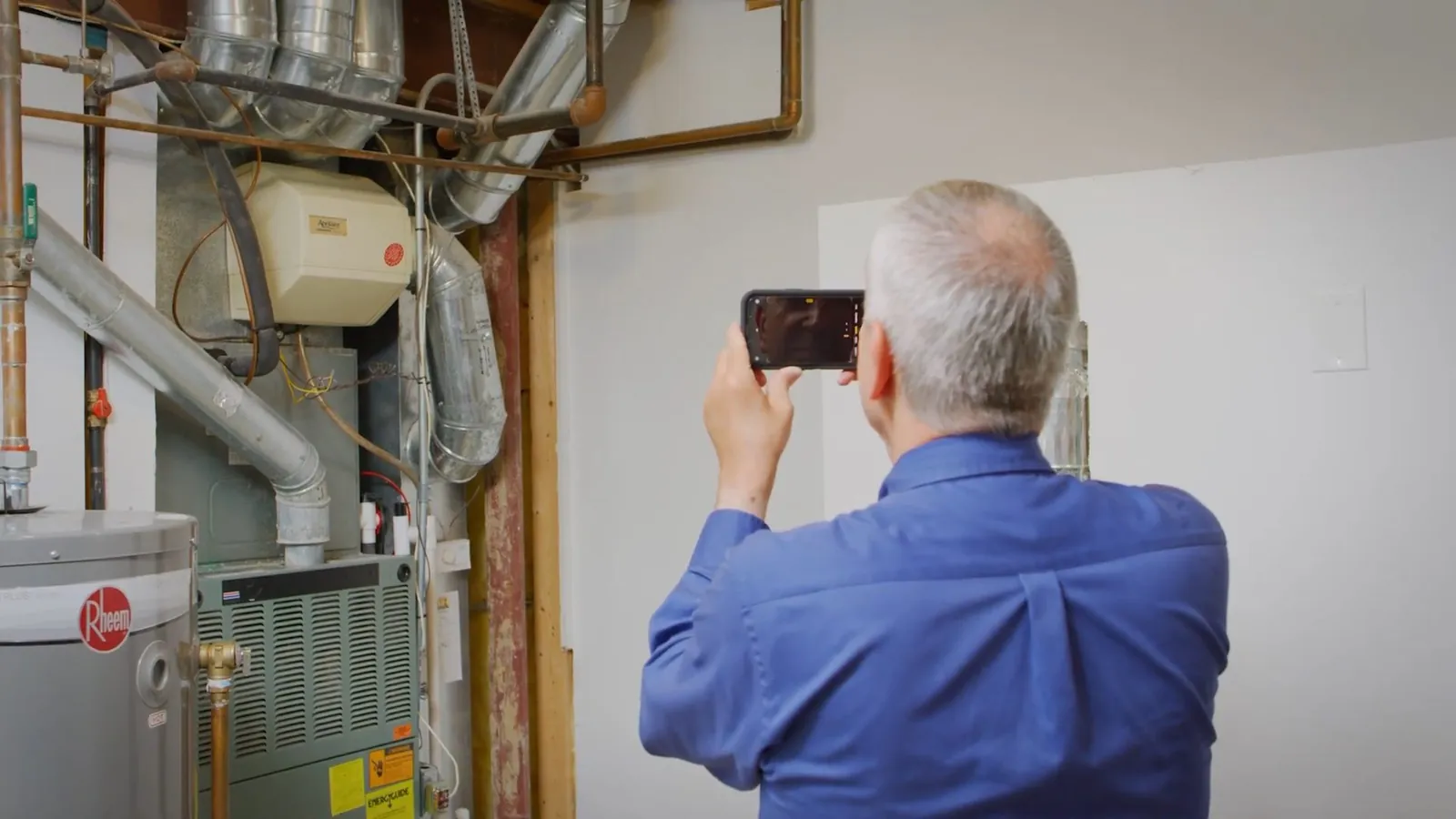
- The make and model, found on the label on the side of the unit
- Gas or electric, and whether it is wall-mounted indoors or outside
- Any error code showing on the display and when it appears
- Whether the problem is constant or only at certain flow rates
- The age of the unit and the last time it was descaled
None of this is required to call, but each item shortens the diagnosis. If the unit has a service history, mention it too.
Long pipe runs, recirculation and cold water between uses
A tankless heater makes hot water on demand, but it cannot remove the cold water already sitting in the pipes. In a house with a long run between the heater and a fixture, the wait for hot water can feel long. A recirculation loop or a small point-of-use unit near the far bathroom can shorten it.
Another quirk is the short burst of cold water between two quick uses, which comes from the unit shutting off and restarting. Ask the plumber about the options for your layout before accepting the quirk as a flaw.
Maintenance habits that extend the life of a tankless unit
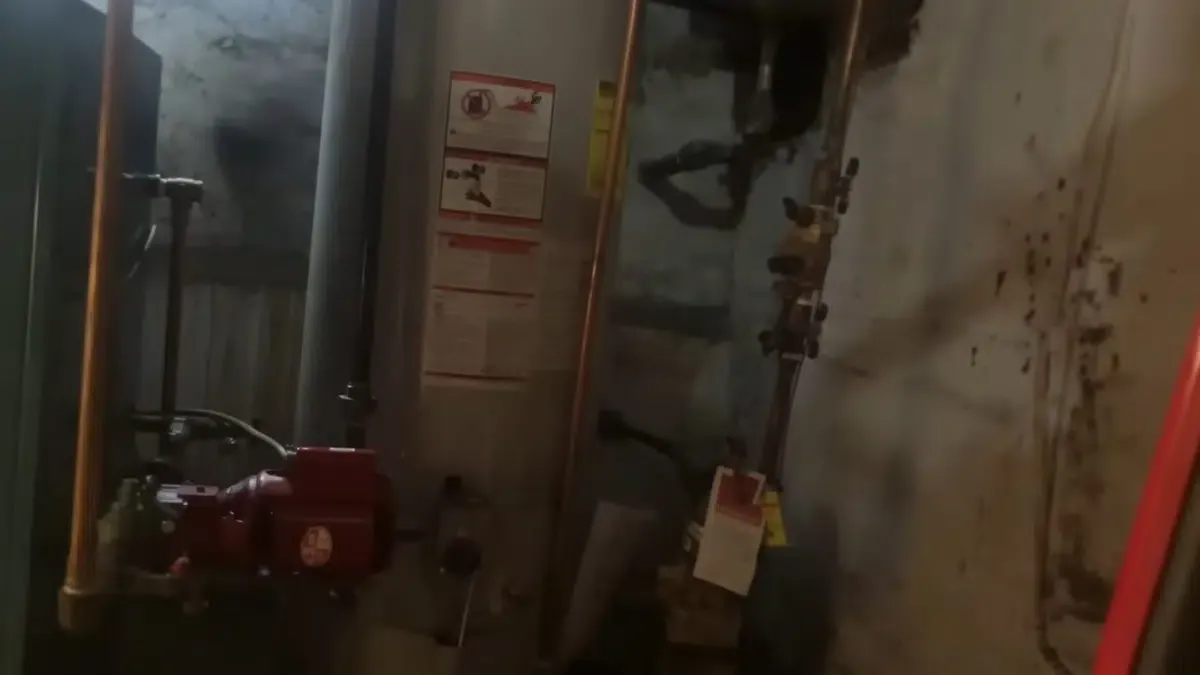
A tankless unit rewards regular attention. Clean the inlet screen when the plumber services the unit, keep the area around the vent clear and watch the display for warnings rather than waiting for a failure. Scheduled descaling is the single biggest factor in how long the heat exchanger lasts.
Keep a simple service log: the date, what was done and any readings or codes. It helps the plumber on the next visit and supports a warranty claim if one is ever needed.
Thinking about switching from a tank?
Get the full scope, including gas, venting and power, before you decide.
Permits and larger work
Switching to tankless often triggers permit review because of the gas, venting or electrical changes. The local building office sets those rules, and they differ from one Verde Valley town to the next. Incorporated towns keep their own permit offices, and unincorporated addresses permit through the county.
The plumber should state whether a permit is needed, who applies for it and when an inspection happens. For what moves the final price, see the cost page.
Tankless water heater trouble in Sedona? Call dispatch
Dispatch is open 24 hours a day. Tell them what is happening and a plumber serving your area will be lined up.
- Licensed and insured plumbers
- Same-day service when available
- 24/7 emergency dispatch