 Sedona AZ
Gas line installation and repair
Gas Line Installation and Repair in Sedona, AZ for Appliances and Heating
A gas line carries fuel from the meter to the appliances in your home: a range, a water heater, a furnace, a dryer, a fireplace or an outdoor grill. Homeowners need a plumber for it when they add an appliance, replace aging pipe or suspect a leak. This page covers installation, repair and the safety steps that come before any call.
- Licensed and insured plumbers
- Same-day service when available
- 24/7 emergency dispatch
Talk to dispatch now
Describe the problem and a plumber serving your area will be lined up.
(928) 766-1925Call (928) 766-1925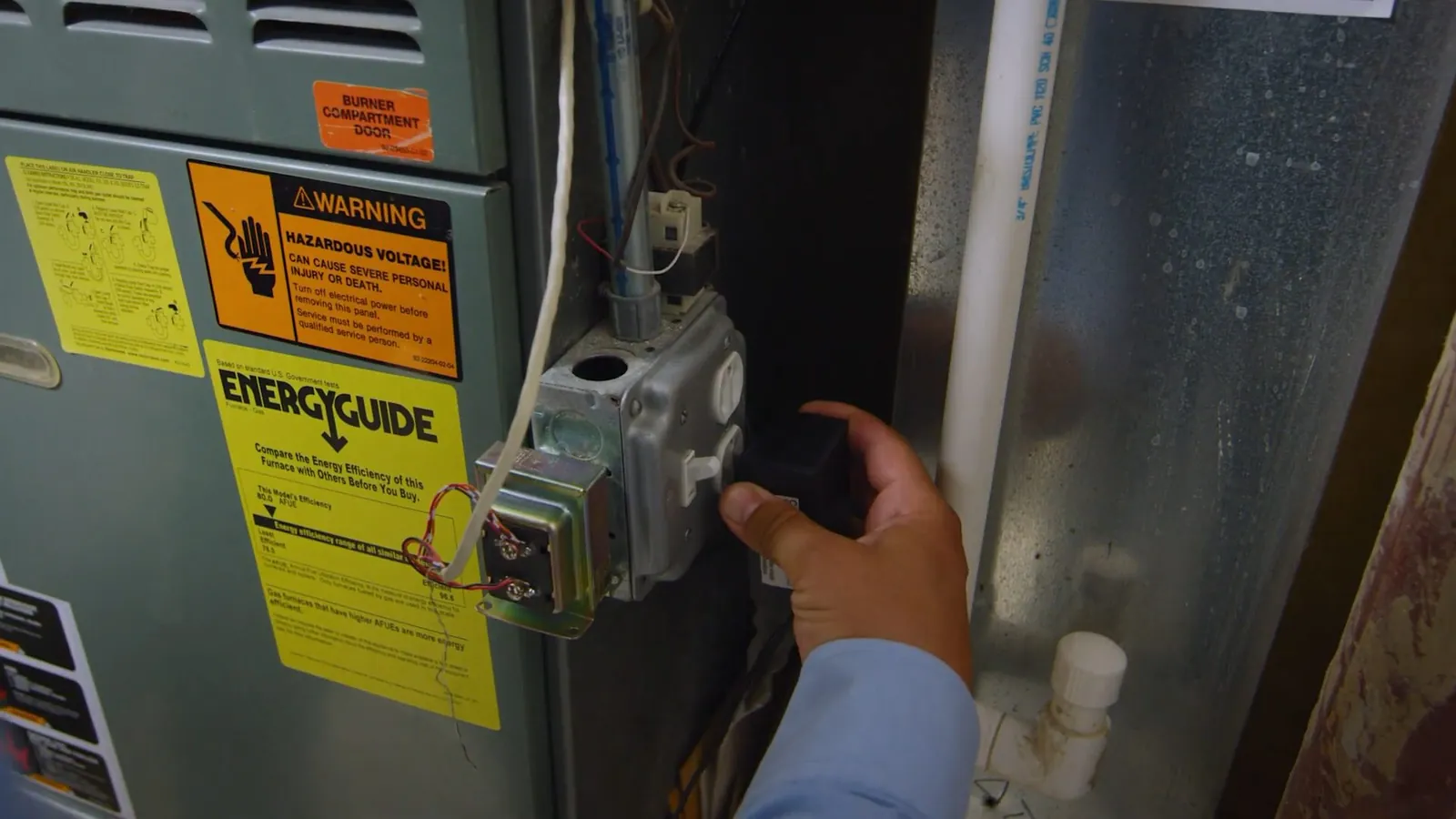
Gas line repair: what gets fixed
Gas line repair covers corroded pipe, loose or damaged fittings, failed flex connectors and joints that have started to seep. The plumber isolates the affected section, repairs or replaces it and tests the system for leaks before the gas is turned back on. A pressure test shows whether the line holds, which a smell alone cannot do.
Gas work calls for licensed and insured plumbers and, in most towns, a permit and inspection. Never attempt to repair gas piping yourself, and never use tape or putty on a suspected leak as a stopgap.
Gas line installation for new appliances
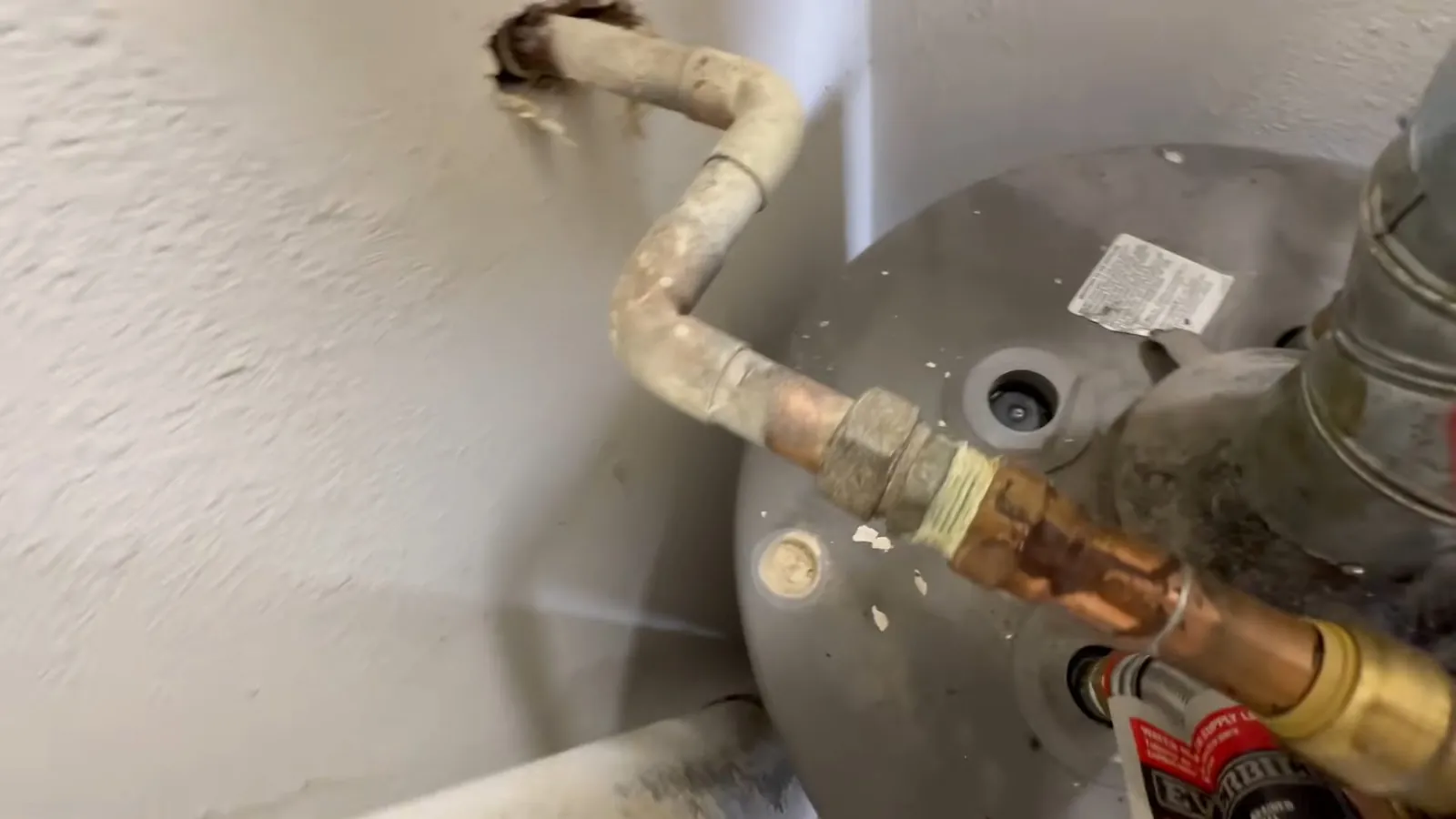
Adding a gas range, a dryer, a fireplace, a generator or an outdoor grill means extending the gas line to a new spot. The plumber sizes the pipe for the total load, routes it safely and fits a shutoff valve at each appliance. Capacity matters because adding a large appliance to an undersized line starves everything on it.
- Range or cooktop hookups
- Gas dryer connections
- Fireplace and fire pit lines
- Outdoor grill and patio heater stubs
- Standby generator supply lines
Smell gas? Get out first, then call
Once everyone is outside and the gas utility has been called, dispatch can handle the repair.
Spotting a gas leak
Natural gas has an added odor, often compared with rotten eggs, so that leaks are noticeable. Other signs include a hissing sound near a pipe, dead vegetation over a buried line, bubbles in standing water and unexplained headaches or dizziness. A gas detector near appliances adds a layer of warning.
Do not use switches, phones or open flames near a suspected leak. Get everyone, including pets, outside before making any call.
Black iron, CSST and flexible connectors
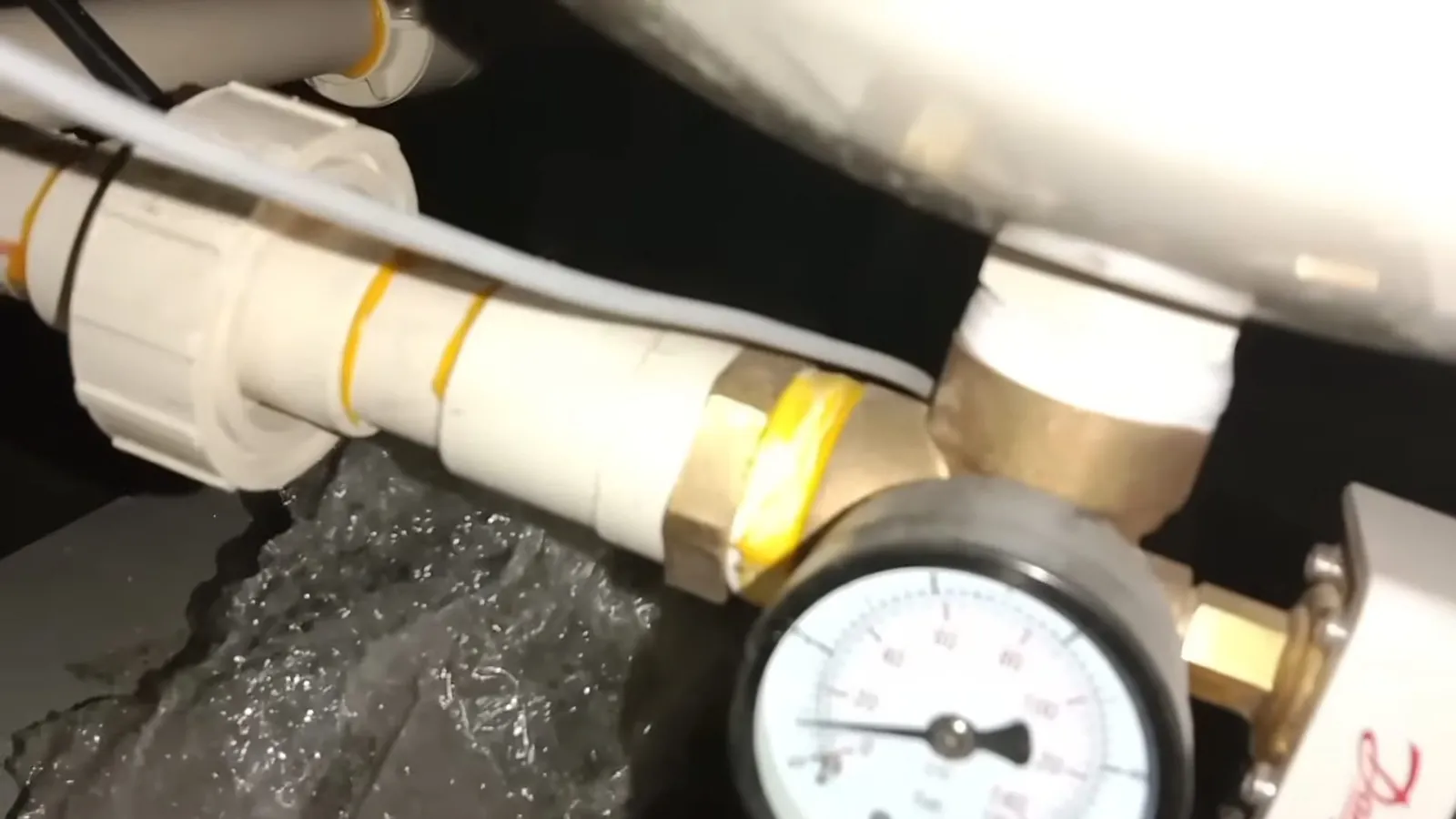
Black iron pipe is the traditional choice. It is rigid, durable and joined with threaded fittings. Corrugated stainless steel tubing, known as CSST, is flexible, faster to install and common in newer homes, though it needs proper bonding and protection.
Older systems may also include brass or copper in some regions, along with flex connectors at appliances that wear out. Pipe replacement is worth considering when a line shows heavy rust, scale or repeated repairs.
Appliance hookups and conversions
Connecting a new appliance involves the right connector, a shutoff within reach and a leak test at every joint. Converting an appliance from one fuel to another, or from electric to gas, adds a supply line and, for some appliances, venting. Say what you plan to connect when you call so the plumber brings the right parts.
Outdoor appliances need weather-rated fittings and protection against damage. Generators need a line sized for their peak demand.
Inspection and pressure testing
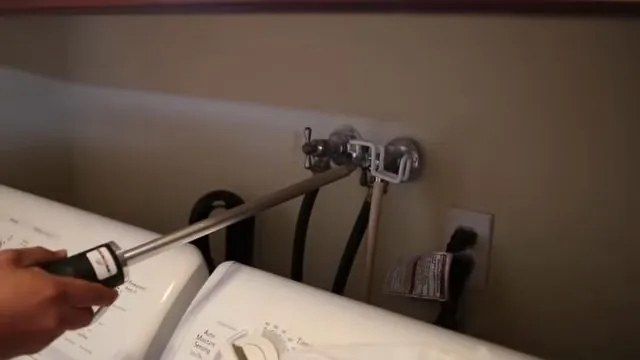
A gas inspection checks the visible piping, connections, shutoffs and appliance connectors, then tests the system under pressure to confirm that it holds. It is worth doing after a renovation, before buying a home or when an appliance has been moved. The plumber reports what was found and what needs attention.
A system that holds pressure and shows no leak at any joint is in good condition. One that fails the test is repaired and tested again before the gas is restored.
From first call to restored gas: how the job runs
- Safety firstAnyone with a suspected leak leaves the building and calls 911 or the gas utility before dispatch.
- DiagnosisThe plumber checks the piping, appliances and shutoffs, and decides what must be repaired or replaced.
- WorkFaulty sections are cut out and replaced, or new lines are run, using materials suited to the system.
- Test and restoreA pressure test confirms there are no leaks, and appliances are relit only after the line passes.
Ask about permit and inspection steps at the first visit. A job that skips them can leave you with unapproved work that complicates a sale.
Sizing a gas line to the load it carries
Every gas appliance draws fuel at a rate set by its rating, and a line has to carry the combined demand of everything running at once. A range, a furnace and a water heater all firing together test the line more than any single appliance does. Adding to an old system without checking capacity can leave the last appliance on the line underfed.
| Appliance | Why it matters for sizing |
|---|---|
| Furnace or boiler heat | Large load, runs for long periods in cold weather |
| Water heater | Steady demand, especially tankless models with large burners |
| Range and cooktop | Moderate load, but several burners can run at once |
| Dryer | Moderate load during use |
| Fire pit, grill, generator | Outdoor loads, often the longest pipe run |
A plumber calculates the total and checks it against the pipe size. If the line is too small, the fix is upsizing the run, not squeezing in another branch.
Shutting off gas and knowing where the valves are
Every gas appliance has its own shutoff, and the meter has a main valve. Locate both before you need them. Appliance valves turn a quarter turn, and the handle runs along the pipe when open and across it when closed.
Only the gas utility should operate the meter valve in an emergency unless you have been trained. Teach everyone in the household what a gas leak smells like and what to do, which is to get out and call from outside.
After a repair: relighting, testing and what to watch
Once the line passes its pressure test, appliances are relit one at a time and checked for a steady flame. Pilot lights on older units may need relighting, and some newer appliances run a short self-check at startup. The plumber should confirm that every appliance on the repaired line is working before leaving.
For a few days afterward, stay alert for odor. A faint smell that persists after a repair deserves an immediate call, since a fitting may be weeping.
Propane, medical needs and other special cases
Some homes run on propane rather than natural gas, and the piping, regulators and tank connections differ. A plumber familiar with propane can hook up a stove or a heater on a tank supply, though a propane supplier usually handles the tank itself. Say which fuel you have when you call.
If someone in the home depends on a gas appliance for medical or care reasons, tell dispatch at the start of the call, so the plumber can plan the work around it. Specialist work on large or commercial gas systems may involve other trades as well.
Adding a gas appliance? Plan the line first
Tell dispatch what you plan to connect, and the right plumber is lined up.
Permits and who handles them
Most gas work needs a permit and a final inspection. The rules depend on where the home sits: Building offices differ by town, and homes in unincorporated Yavapai County deal with the county instead. The plumber should say whether a permit is required and who files it.
Larger jobs, such as a new gas line to a pool house or a tankless heater swap, are the most likely to need review. See tankless water heaters for one common case, and water heater repair when the appliance itself is the problem.
Need gas line repair in Sedona? Call dispatch now
Dispatch is open 24 hours a day. Tell them what is happening and a plumber serving your area will be lined up.
- Licensed and insured plumbers
- Same-day service when available
- 24/7 emergency dispatch