 Sedona AZ
Water heater repair
No Hot Water in Sedona, AZ? What a Water Heater Repair Visit Covers
When you call about a water heater, dispatch asks a handful of questions: gas or electric, how old the tank is, whether it is leaking and what exactly stopped working. Those answers let the plumber arrive with the right parts. This page explains what happens next, and how to tell a repairable heater from one at the end of its life.
- Licensed and insured plumbers
- Same-day service when available
- 24/7 emergency dispatch
Talk to dispatch now
Describe the problem and a plumber serving your area will be lined up.
(928) 766-1925Call (928) 766-1925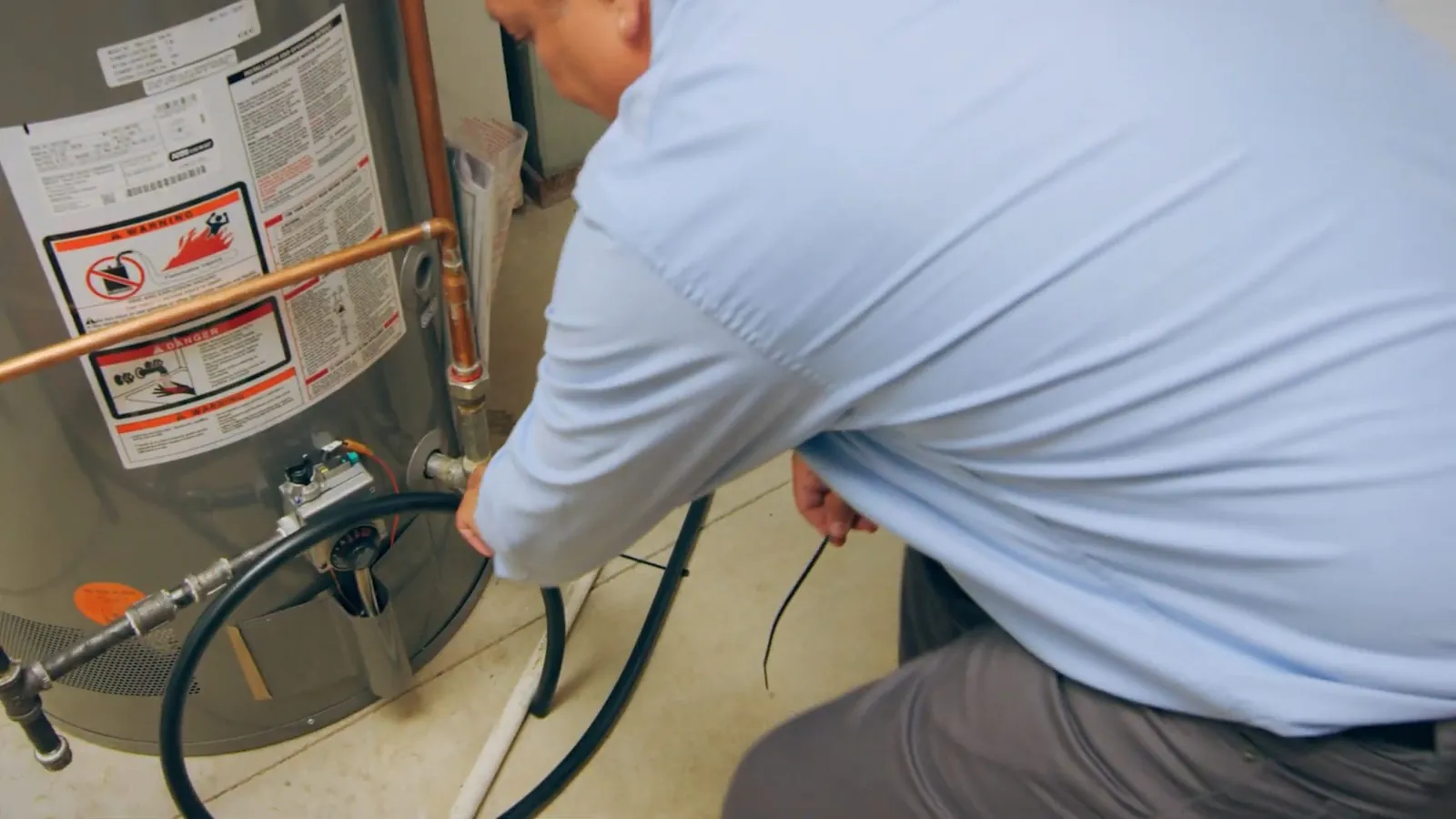
Gas or electric: what changes about the repair
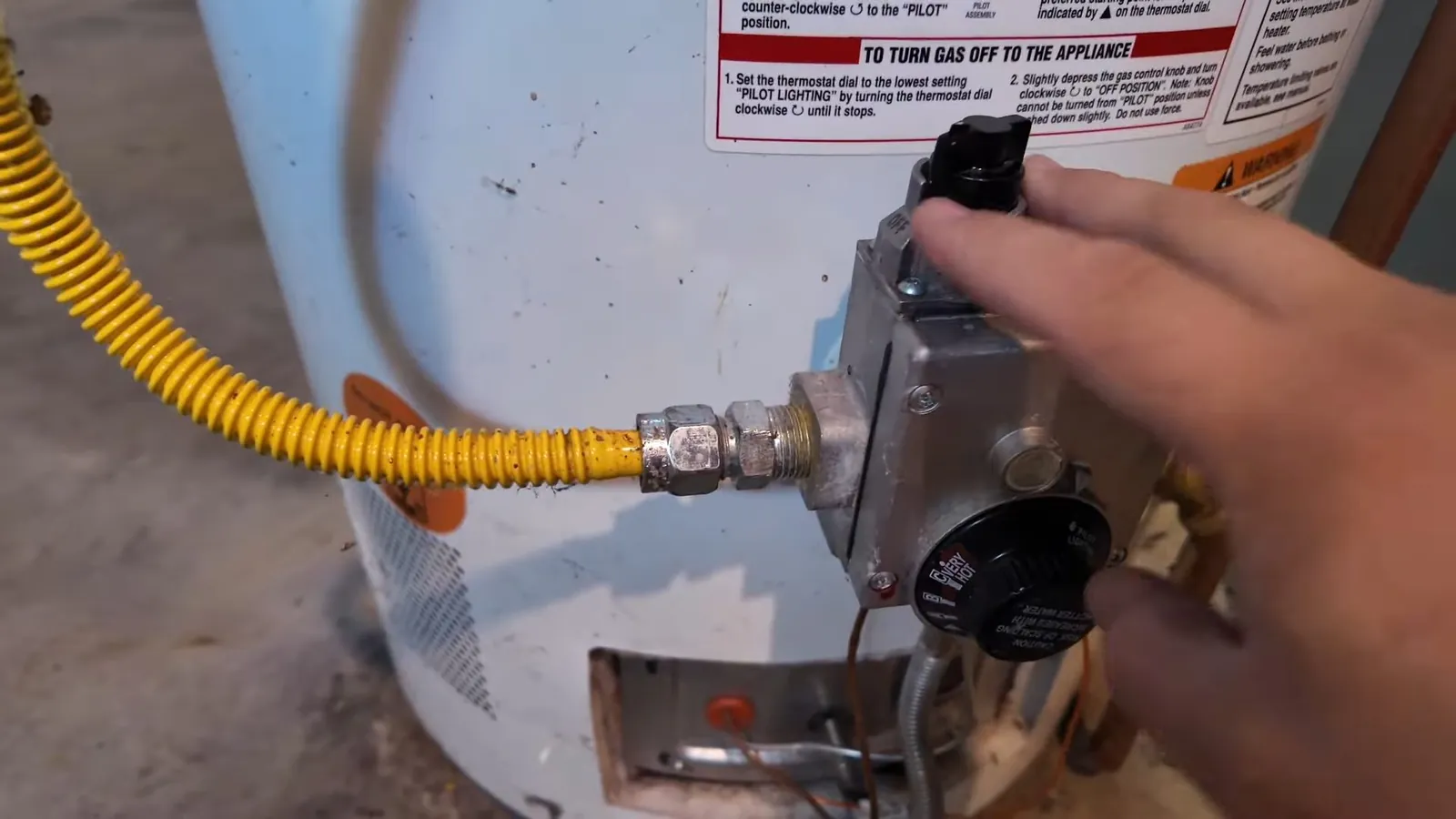
A gas water heater heats with a burner, so repairs involve the pilot or igniter, the thermocouple, the gas control valve and venting. An electric heater uses heating elements and thermostats, so repairs involve those parts and the power supply. The tank, the anode rod and the drain valve are common to both.
Knowing which type you have also helps dispatch send the right parts, since an igniter for a gas unit and an element for an electric one are not interchangeable. The data plate on the side of the tank states the fuel type, the capacity and the model number. Gas work is held to a higher safety standard. If you smell gas, get everyone out of the building and phone 911 or the gas utility from a safe distance, then call a plumber.
Leaking tank or leaking fitting?
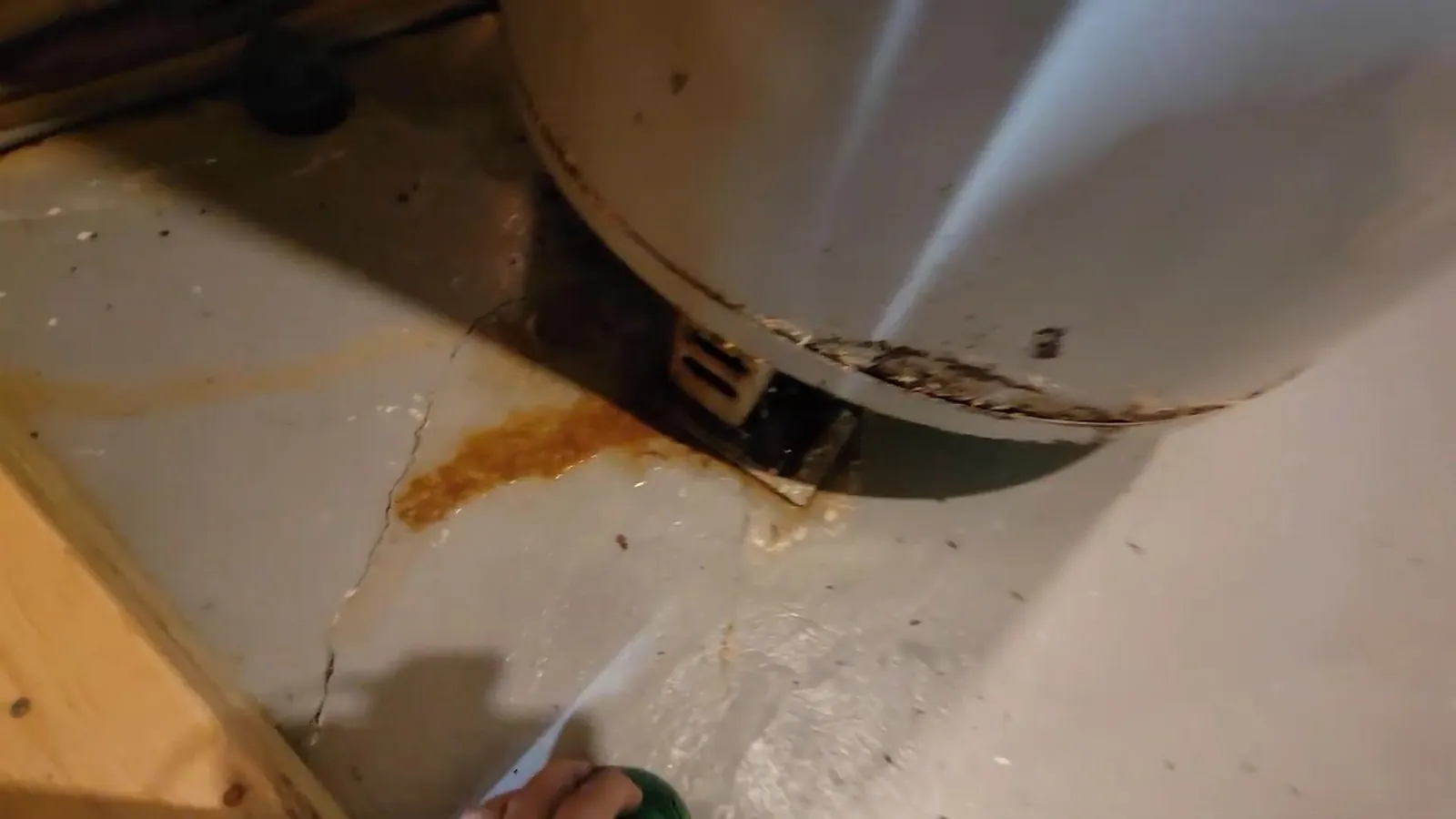
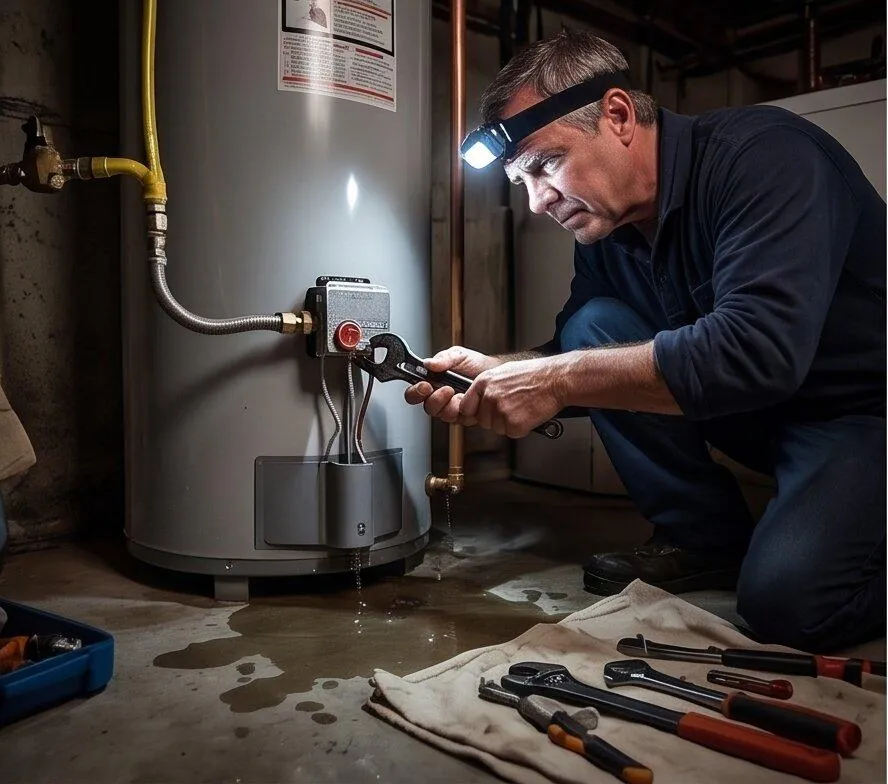
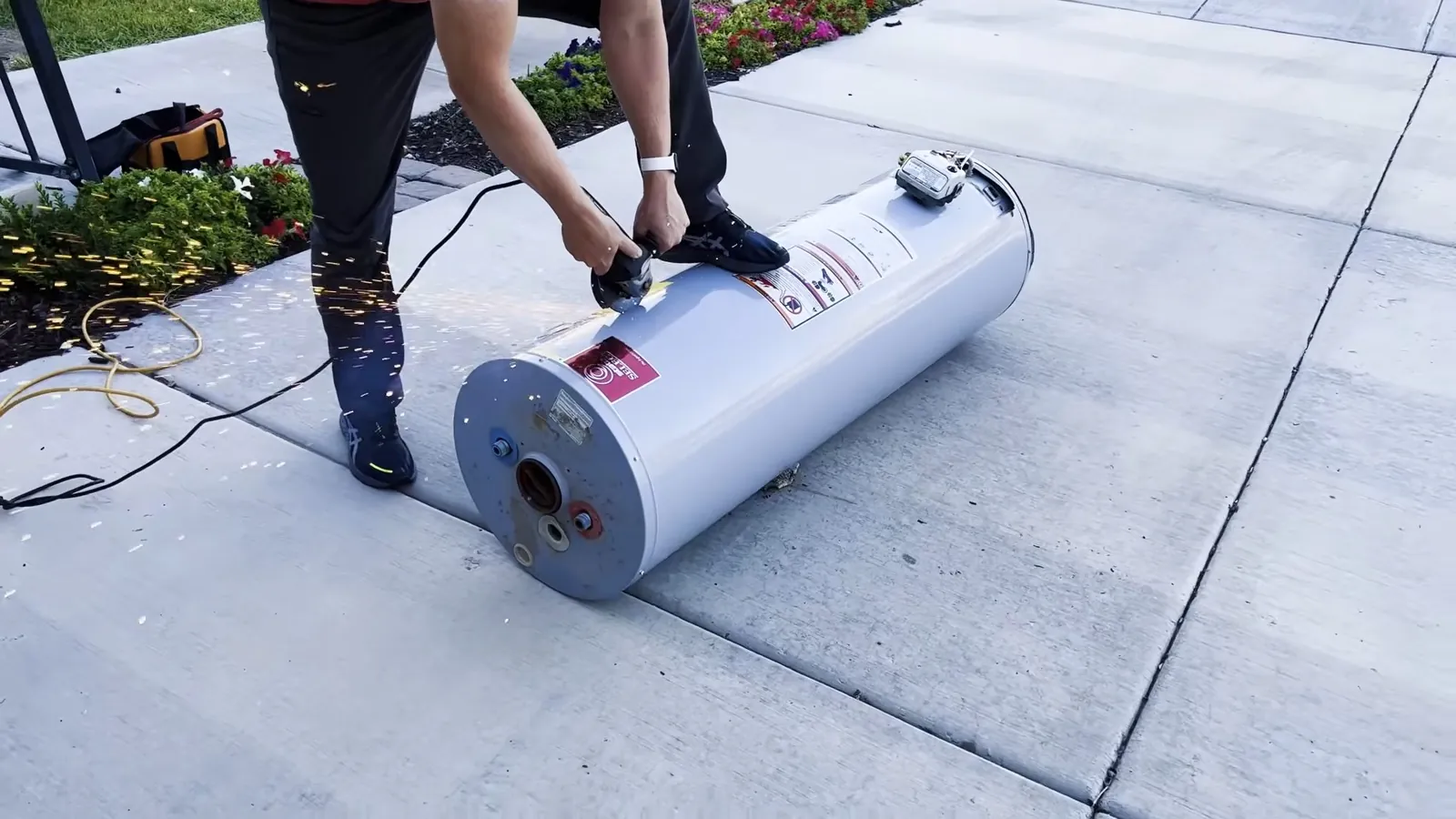
Water around a heater does not always mean the tank has failed. A loose supply connection, a dripping relief valve or a bad drain valve can all leave a puddle, and each is a quick repair. A tank that leaks from its seams cannot be repaired and needs to be replaced. Rust-colored water at the tap, or water that smells off, is another reason to have the tank looked at before it fails.
Close the cold water valve above the tank, and switch off the power or gas control only if that is safe, then call. Dispatch can tell you what to check while the plumber is on the way.
Heater leaking or stone cold? Call and get a plumber lined up
Shut off the water to the tank if you can do it safely, then call.
No hot water, or not enough
A heater that stops producing hot water usually has a short list of suspects. On a gas unit, a pilot that will not stay lit or a failed igniter is the common culprit. On an electric unit, a tripped breaker, a bad thermostat or a burned element is more likely.
| Symptom | Common cause |
|---|---|
| No hot water at all (gas) | Pilot out, igniter or thermocouple fault, or a gas control problem |
| No hot water at all (electric) | Tripped breaker, failed thermostat or a bad element |
| Lukewarm water | One element failed, a thermostat set too low or sediment on the tank floor |
| Water runs hot then cold | A failing dip tube or a mixing valve problem |
| Hot water runs out fast | Sediment, a failed element or a tank too small for the household |
Emergency and same-day requests are handled through dispatch when no hot water is a health or safety concern.
Popping, rumbling and other tank noises
A popping or rumbling sound usually means sediment on the bottom of the tank. Heat boils the water trapped under the sediment, and the bubbles make noise. Over time the layer insulates the water from the burner or element, which wastes energy and stresses the tank.
A hissing sound can mean water dripping onto a hot burner or element, and a high-pitched whine may mean a restricted valve. Describe the sound when you call, since it helps narrow the cause.
Flushing and sediment: routine care that helps
Draining a few gallons from the tank once a year clears loose sediment and lets the plumber look at the drain valve. A tank that has never been flushed may have a thick layer that will not drain freely, and forcing it can break the valve. The plumber can tell whether flushing helps or whether the tank is past it.
Checking the anode rod, which protects the tank from rust, is also worthwhile on a tank that is getting older. Replacing a worn rod can extend the life of the tank.
Repair or replace: when the tank has run its course
Repair vs replace is a judgment call, and tank versus tankless is a separate one.
A repair makes sense for a part that has failed on an otherwise sound tank. A conventional tank that is heavily rusted, slow to fill a bath or wasteful with energy may be telling you something about efficiency too. Replacement makes more sense when the tank leaks, is well past its typical life or needs repair after repair. Ask the plumber for both options, and ask what each costs to own over the next few years.
Replacement can involve a permit that depends on your town. The City of Cottonwood lists one for this work, so ask the plumber who applies for it at your address. For install and replacement choices, including everyday tank models and on-demand units, see water heater installation and tankless water heaters.
What happens when you call about a water heater
- You call dispatchSay whether the heater is gas or electric, how old it is and what stopped working.
- A plumber is lined upDispatch finds a plumber for your address and type of heater, and offers same-day service when it is available.
- The heater is diagnosedThe plumber checks power or gas, the controls, the elements or burner and the tank for leaks.
- You decide with the factsThe plumber says whether a repair is worthwhile and what will move the price, before any work starts.
Having the make, model and age handy speeds things up. The label on the side of the tank lists the model and often the date of manufacture.
Safety checks that belong on every heater visit
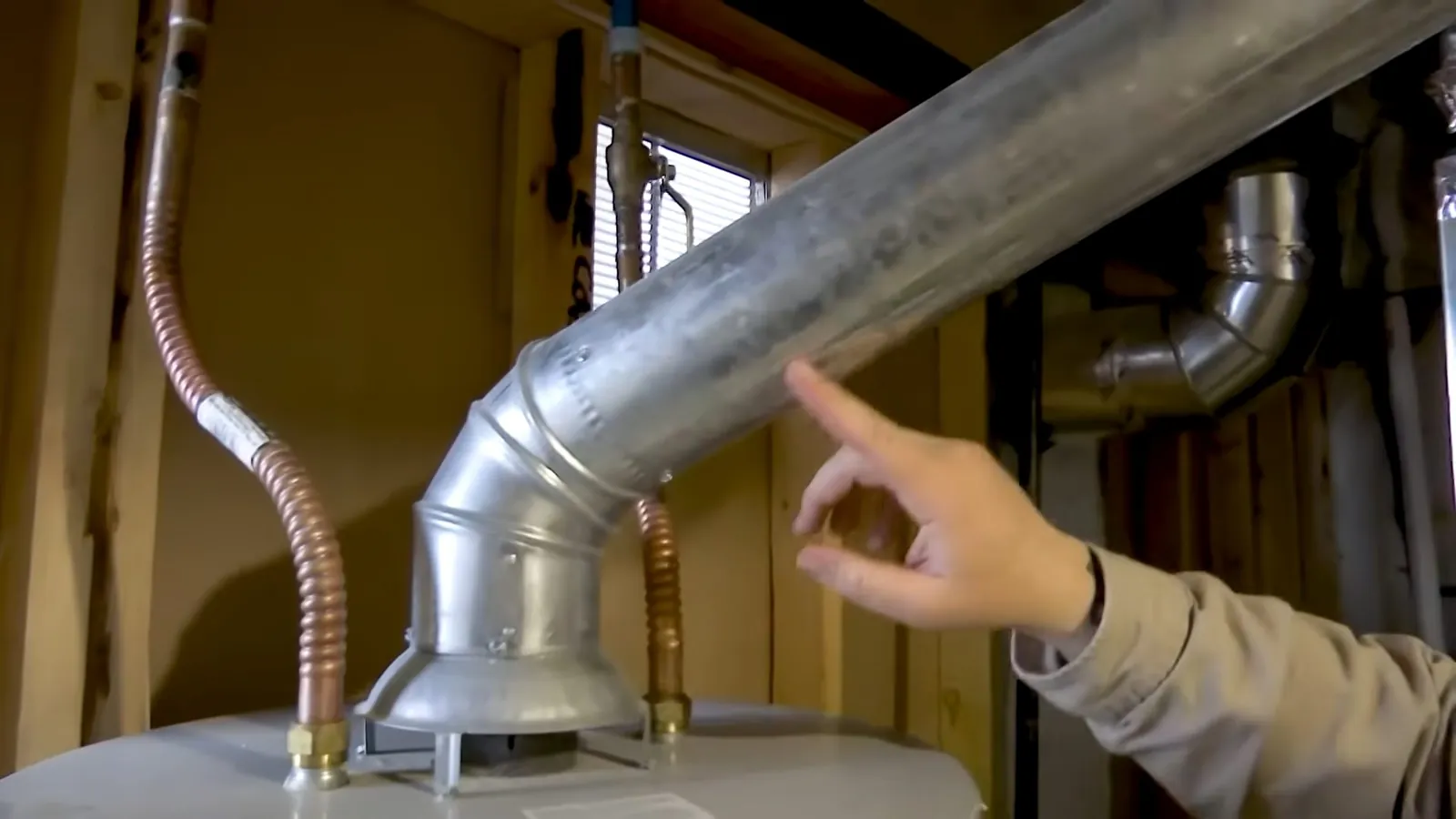
A water heater is a pressurized, heated appliance, so a repair visit should include a few safety checks. The temperature and pressure relief valve must be present and clear of obstruction, with a discharge pipe that runs to a safe spot. On a gas unit, the flue and venting must draw properly, and the area should be clear of anything flammable.
Carbon monoxide detectors near gas appliances are a sensible precaution. If a detector alarms, leave the building and call 911 before calling a plumber.
Not sure whether to repair or replace?
Ask for both options, then decide with the facts in front of you.
When the problem is the pipes, not the heater
Sometimes the heater is fine and the fault is in the plumbing around it. A leaking supply line, low pressure or a faulty mixing valve can mimic a heater failure. A visit that checks the whole hot water path saves repeat calls.
Related reading covers leak detection for pipes that leak on the way to a fixture, and water softeners for scale that coats elements and tank floors.
Water heater trouble in Sedona? Call dispatch now
Dispatch is open 24 hours a day. Tell them what is happening and a plumber serving your area will be lined up.
- Licensed and insured plumbers
- Same-day service when available
- 24/7 emergency dispatch