 Sedona AZ
Water heater installation and replacement
Replacing a Water Heater in Sedona, AZ: Choose the Type, the Size and the Permit Path
A bigger tank is not automatically a better one. Households often buy by capacity alone and end up with a unit that fits the closet badly, costs more to run or still runs out of hot water at the wrong time. This page covers how to tell that a tank is finished, what an installation involves and which decisions are worth settling before the old unit comes out.
- Licensed and insured plumbers
- Same-day service when available
- 24/7 emergency dispatch
Talk to dispatch now
Describe the problem and a plumber serving your area will be lined up.
(928) 766-1925Call (928) 766-1925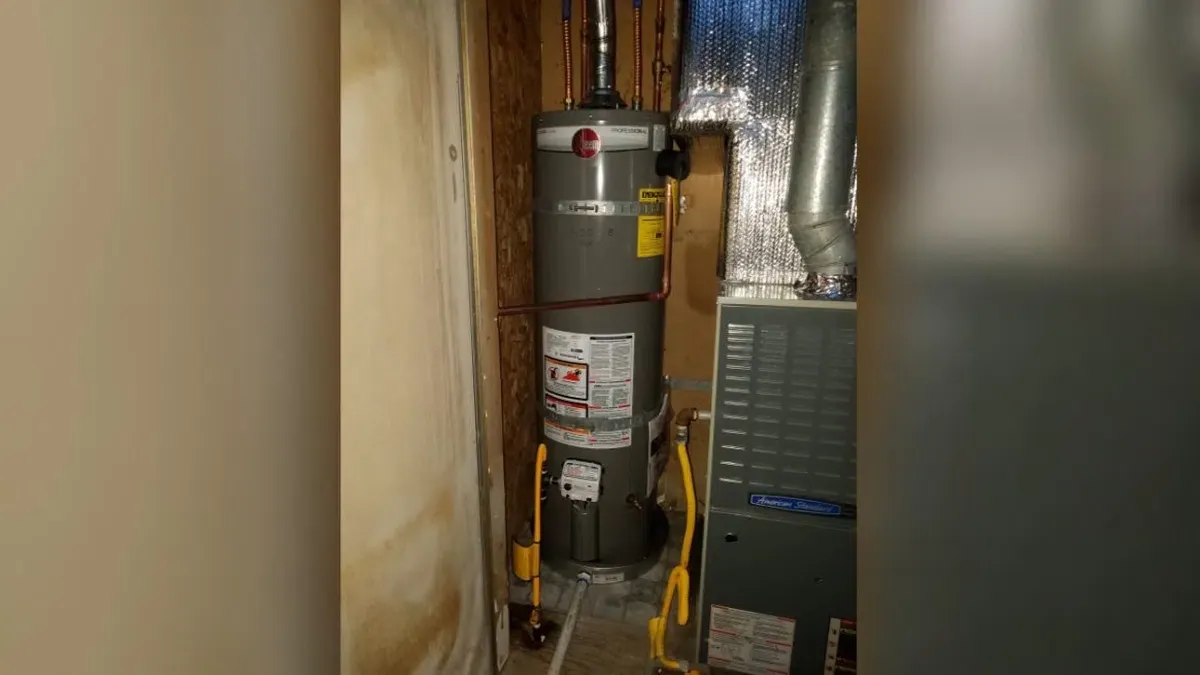
Signs the tank is finished, not just tired
Most tanks give notice before they fail. Rusty hot water, puddles at the base, a tank that has been in service for well over a decade and a growing list of small repairs all point toward replacement. A leak from the tank body itself settles the question, because a tank that leaks through its shell cannot be patched.
| What you see | What it suggests |
|---|---|
| Water pooling under the tank, not from a fitting | The tank shell has failed; replacement is the fix |
| Rust-tinted hot water only | Corrosion inside the tank, often near the end of its life |
| Repeated element or igniter failures | The unit is wearing out as a whole |
| Hot water gone within minutes | Heavy sediment, failed parts or a tank that is too small |
| A tank with no label date and no service record | Age is unknown, so plan for replacement soon |
If the heater is still working but old, replacing it on your schedule beats replacing it during a flood. Dispatch can arrange a visit for either situation.
What a water heater installation involves
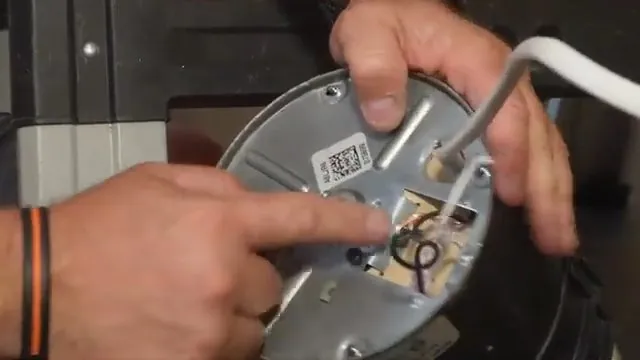
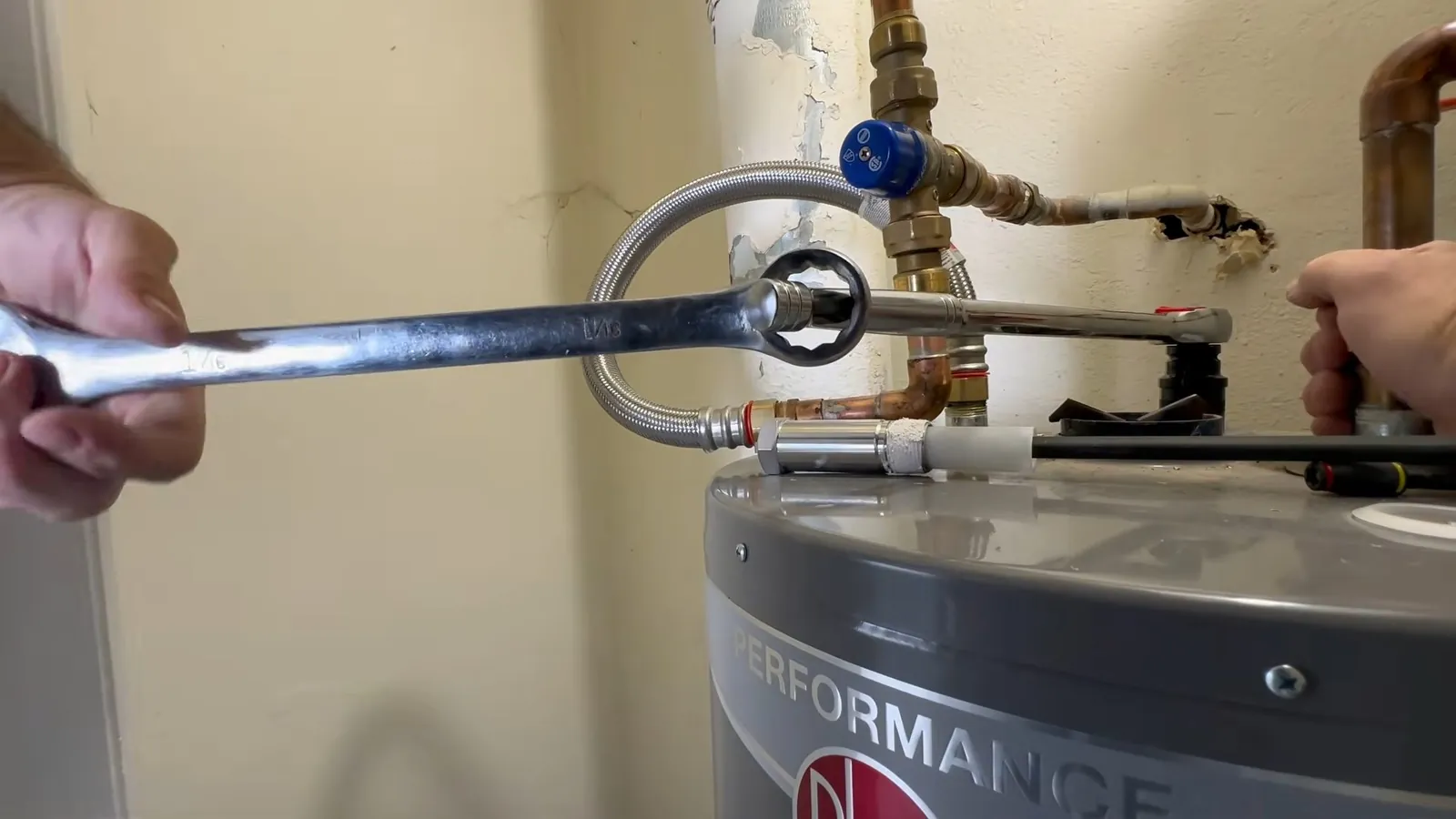
A straightforward swap follows a predictable order. The plumber shuts off water and fuel, drains the old tank and disconnects it, then sets the new unit and reconnects water, gas or power, venting and the relief valve line. The system is filled, checked for leaks and brought up to temperature before the plumber leaves.
- AssessmentThe plumber checks the location, the fuel source, venting and the condition of nearby piping.
- RemovalThe old tank is drained and taken out of the space.
- Setting and connectingThe new tank is positioned and connected, with new flexible connectors where needed.
- TestingLeak checks, gas or electrical checks and a temperature test finish the job.
Moving a heater to a new spot, or switching fuel types, is a bigger project than a like-for-like swap. Say so at the first call so the plumber arrives with the right materials.
Heater dead or leaking? Line up a replacement today
Describe the tank, and dispatch will arrange a plumber serving your area.
Gas, electric, hybrid or heat pump
Gas tanks recover quickly and cost less per gallon heated in many homes, but they need venting and a gas supply. Electric tanks are simpler to install and need no flue. Heat pump and hybrid units move heat rather than generate it, which saves energy, though they need clearance, a drain path for condensate and adequate air around the unit.
Which one suits a house depends on what is already there. Switching from gas to electric or the reverse means new piping, new wiring or both. Ask for a quote on staying with the current fuel as well as the switch, so you can see what the change really adds.
Expansion tanks, permits and code
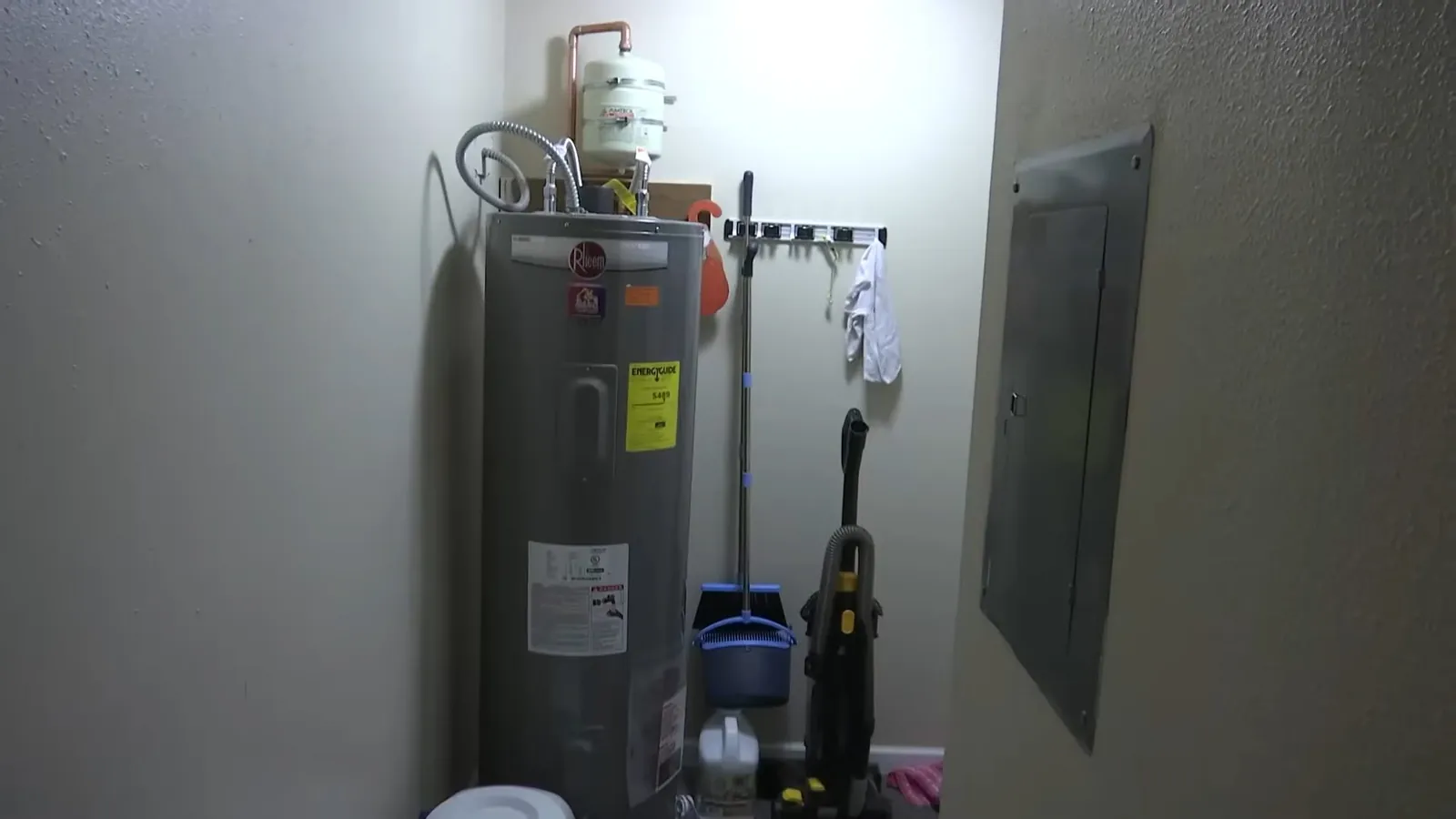
A closed water system can build pressure as the heater warms, and an expansion tank gives that pressure somewhere to go. Many homes with a pressure regulator or backflow device need one, and a missing or waterlogged tank can stress the relief valve and fittings. Ask the plumber whether yours has one and whether it was checked.
Permit rules depend on where the home sits. The City of Cottonwood lists a permit requirement for water heater replacement, and other Verde Valley towns run their own building offices. The plumber should say who applies for the permit and whether an inspection follows. Skipping the permit can complicate a home sale or an insurance claim later.
Sizing the tank to the household
Capacity matters less than how many people draw hot water at once. A couple in a small house and a family of five with a soaking tub need very different units. The first-hour rating on the label tells you how much hot water a tank can deliver in a busy hour, which is a better guide than gallons alone.
An oversized tank wastes energy keeping a large volume warm, and an undersized one runs out. Describe your habits to the plumber: morning showers, a large tub, a dishwasher running during laundry. Those details narrow the choice quickly.
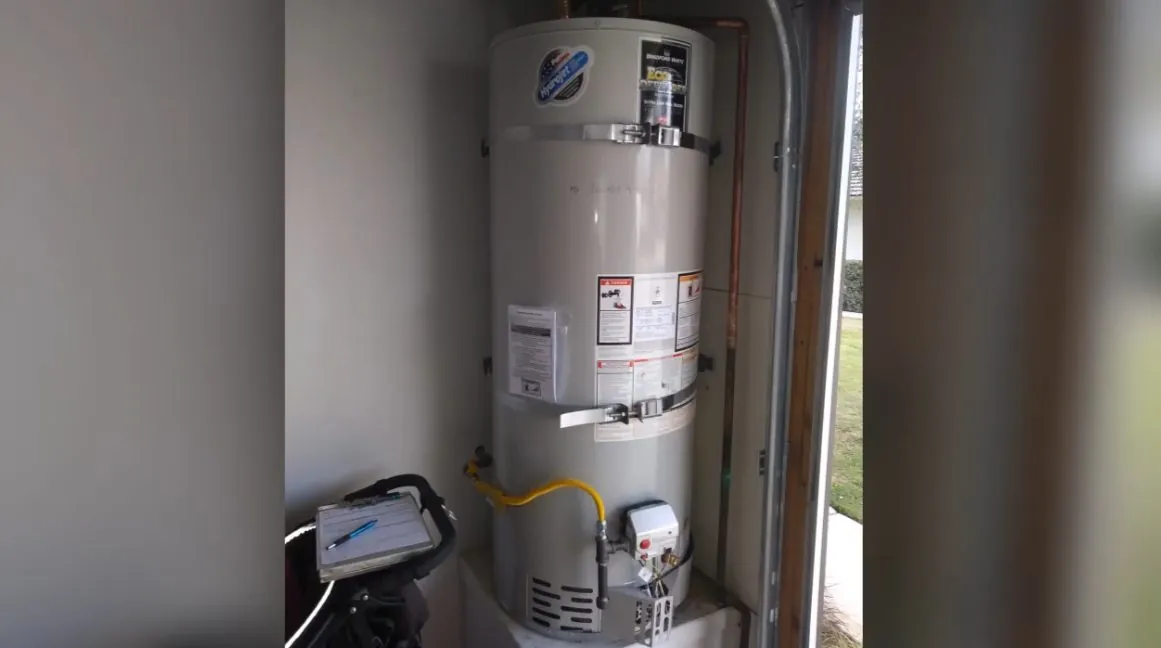
Tank or tankless: a quick comparison
- A tank stores hot water, so it can supply several outlets at once until the supply runs out.
- A tankless unit heats on demand and never runs out, but it needs enough gas or power to do so.
- Tankless units usually cost more up front and need descaling over time.
- Tanks take more floor space and lose some heat while idle.
The full discussion of on-demand units sits on the tankless water heater page. If the current heater is failing in a way that might be repaired instead, see water heater repair first.
Point-of-use and under-sink units
A small point-of-use heater sits under a sink or near a remote bathroom and supplies a single fixture. It cuts the wait for hot water at a far tap and spares the main heater a long pipe run. These units suit a guest bath, a workshop or an addition where extending the main hot line would be awkward.
They do not replace a whole-house heater, and they come with their own power and mounting needs. Hybrid setups, where a small unit boosts a distant fixture, are another option worth raising at the first visit.
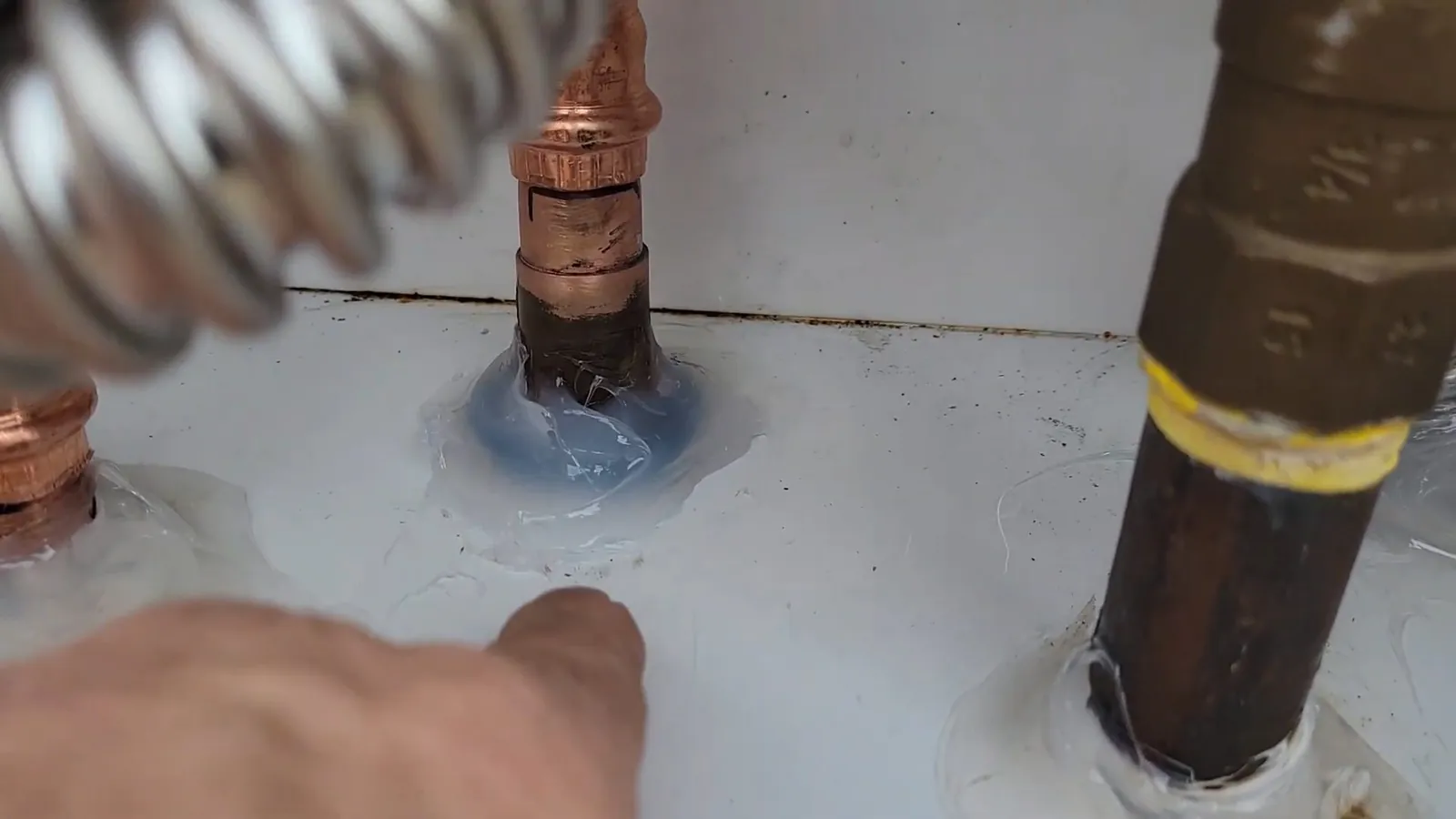
Planning ahead for an aging tank?
Replacing on your schedule beats replacing during a flood.
Choosing an installer, and getting one quickly
A water heater installer should be licensed and insured, should explain permit steps and should leave you with the paperwork for your records. Ask which brand and model are proposed, what the warranty covers and what happens to the old tank. A clear answer to each is worth more than a low number on a quote.
When the heater has already failed, same-day replacement is offered when available, and dispatch can tell you what is possible for your address. For the cost drivers, see the cost page, and for hard-water scale that shortens a tank life, see water softeners.
Need a water heater replaced in Sedona? Call now
Dispatch is open 24 hours a day. Tell them what is happening and a plumber serving your area will be lined up.
- Licensed and insured plumbers
- Same-day service when available
- 24/7 emergency dispatch