 Sedona AZ
Water line repair and replacement
Low Pressure or a Soggy Yard in Sedona, AZ? Water Line Repair Explained
A patch of yard that stays wet in dry weather, a sudden drop in pressure or a meter that spins while the house is quiet often points to the water line. That is the pipe carrying water from the utility meter to your home, and it sits underground where nobody sees it fail. This page explains how a plumber finds the problem and what replacement involves.
- Licensed and insured plumbers
- Same-day service when available
- 24/7 emergency dispatch
Talk to dispatch now
Describe the problem and a plumber serving your area will be lined up.
(928) 766-1925Call (928) 766-1925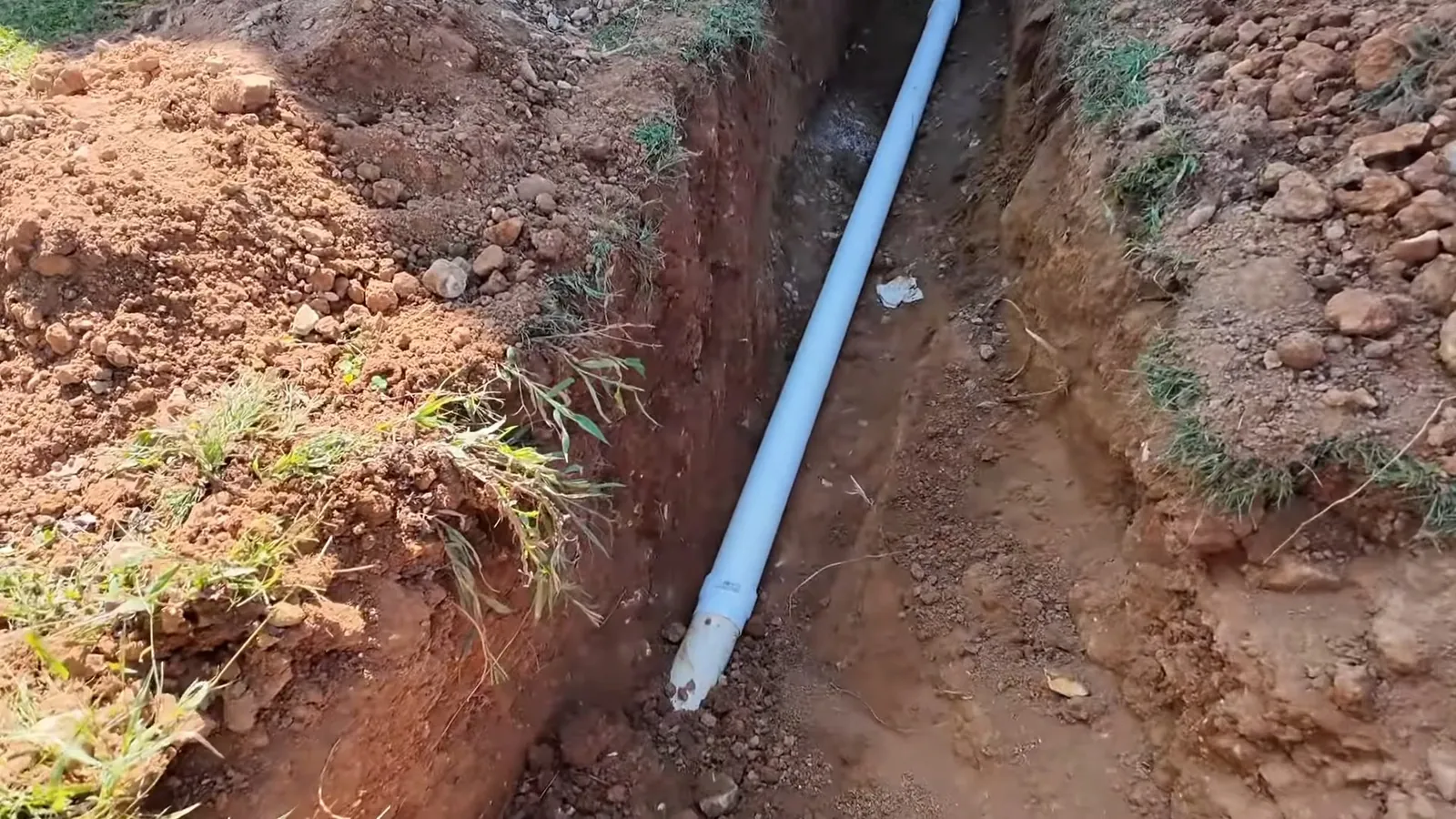
Water line replacement: when repair stops making sense
A water line is a long, buried pipe, and its age and material decide how much repair it can take. One break in an otherwise sound line is a repair. Repeated breaks, corroded steel or a material known for failing point toward replacing the whole run.
Replacement can be done by digging a trench or, in some cases, by pulling new pipe through the old path with less surface disturbance. The plumber should explain which fits your yard, what gets disturbed and how long the water is off.
The service line from meter to house
Arizona Water Company supplies Sedona customers, so the utility owns the pipe up to the meter box and the owner is generally responsible beyond it. Confirm with the utility where its responsibility ends before arranging work, because the dividing line can differ by address. The plumber can help you find the meter and trace the line to the house.
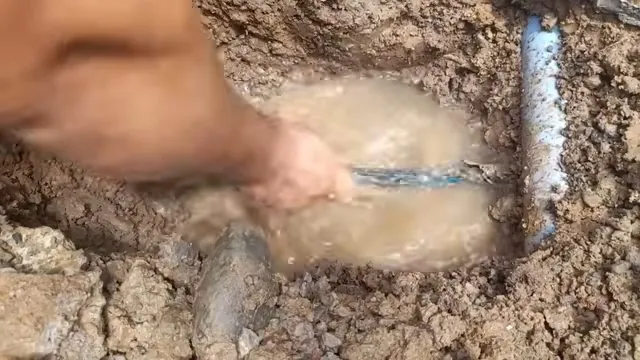
Symptoms of a failing service line are easy to spot once you know them. A wet, sunken or unusually green strip of ground, hissing near the meter, a bill that jumps with no change in use and weak pressure at every tap all fit.
| Sign | What it points to |
|---|---|
| Wet ground with no rain or irrigation | A leak on the buried line |
| Pressure low at every fixture | A restriction or leak ahead of the house |
| Meter spins with all water off | Water escaping after the meter |
| Dirty or discolored water after work on the street | Disturbed sediment or a damaged line |
Water line repair, from the dig to the backfill
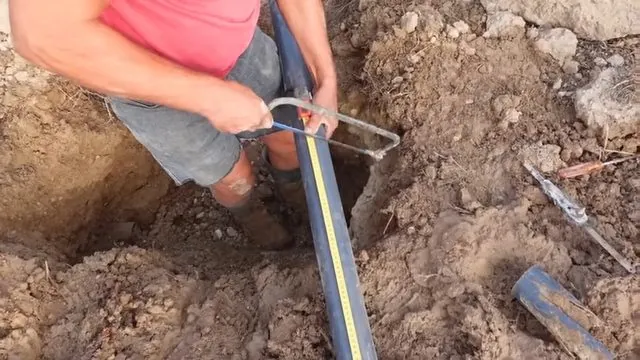
Repair starts with locating the leak. The plumber traces the line, listens for the leak and marks a spot before any digging begins. A small excavation exposes the damaged section, which is cut out and replaced with new pipe and fittings, then pressure tested before the hole is filled.
Ask what the plumber does about utilities. Before digging, the buried utilities in the yard need to be marked, and Arizona 811 handles that request. The plumber should explain who calls and when, so the dig is safe and legal.
Soggy yard or dropping pressure? Call about the water line
Describe what you see. Dispatch will arrange a plumber serving your area.
The main water line and the shutoff valve
The main water line feeds the whole house, and the main shutoff valve is the one you reach for in an emergency. A valve that is stuck, leaking or hard to find is a problem you want solved before the next leak. A plumber can replace a worn main valve so that it turns freely and closes fully.
Know where yours is. Walk through the house, look near where the line enters, and label it. In a burst pipe emergency, saving five minutes of searching can save a floor.
High water pressure and what it does to pipes
Pressure that is too high stresses every pipe, fixture and appliance. Banging pipes, a dripping relief valve and short appliance life are common signs. A pressure regulator near the main fixes this, and replacing a failing regulator is a small job with a large payoff.
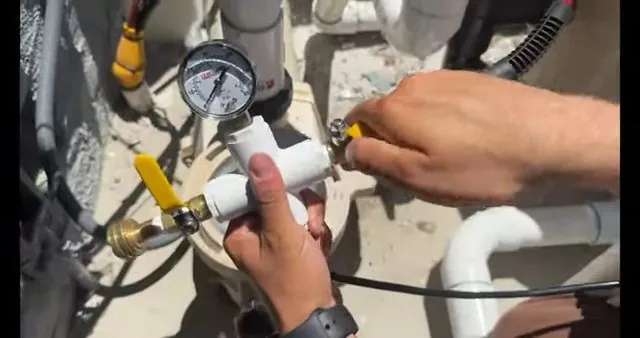
A pressure gauge screwed onto a hose bib takes a reading in seconds. If the number is well above what manufacturers recommend for fixtures, ask the plumber to check the regulator.
Reading the meter to confirm a leak on the line
The meter is the simplest test you own. With every tap, appliance and irrigation zone off, note the position of the small low-flow indicator, or write down the reading and check it again after an hour. If it moves, water is going somewhere past the meter.
To narrow the search, close the main valve at the house and look at the indicator again. If it keeps moving with the house valve shut, the leak is on the buried line between the meter and the house. If it stops, the leak is inside the building. That one test saves the plumber time and saves you from digging in the wrong place.
Backflow devices, irrigation tie-ins and hose bibs
Water lines often carry more than the house itself. Irrigation systems tie into the supply, usually through a backflow preventer that keeps yard water from flowing back into the drinking supply. A broken device, a cracked riser or a stuck valve can leak at the connection and look like a main line problem.
Sprinkler work falls outside ordinary house plumbing, so ask dispatch whether a plumber is the right call for it. The same goes for hose bibs, which are easy to overlook: a cracked outdoor faucet can leak inside the wall and soak a foundation without ever showing outside.
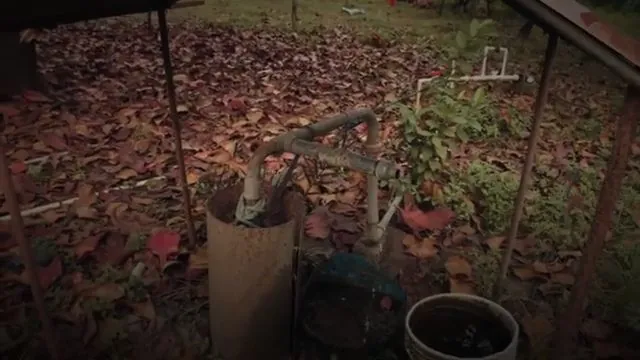
Neighbors, shared lines and who fixes what
Some properties share a line, or the line crosses another lot. Before work begins, find out who owns each part and whether easements apply. The utility, the property owner or the neighboring owner may share the cost of a shared segment.
Related reading covers leak detection when you are not sure where the water is going, and repiping if the pipes inside the house show the same wear as the line outside.
Older service lines, lead and pressure reducing valves
Service line materials vary by age. Older homes in some places have lead or galvanized service lines, and replacing those is a bigger project than swapping a failed section of copper or plastic. If you do not know what your service line is made of, the plumber can look at the pipe where it enters the house.
Hydro jetting is a drain method and does not clear a water supply line, so a long term pressure complaint points to the line or the valve. A pressure reducing valve, often called a PRV, sits on the line and lowers street pressure to a safe level for the house. When it fails, pressure can spike, and the first signs are noisy pipes and dripping relief valves. Replacement is straightforward and often done at the same visit as a main shutoff upgrade.
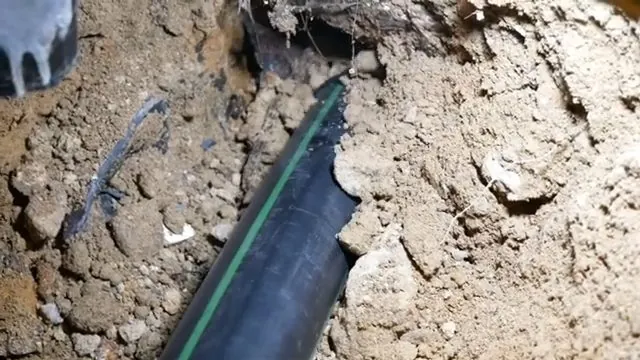
Questions to ask before you approve a replacement
- How was the leak located, and how sure is the plumber of the spot?
- Will the work be a trench or a trenchless pull, and why?
- What pipe material is proposed, and what does the warranty cover?
- Who calls for the buried utilities to be marked?
- How will the yard be restored, and when?
The answers tell you how well planned the job is. They also give you a way to compare two proposals on more than the headline number. If the line is only part of the story, a visit to check the inside piping is a sensible add-on.
Not sure where the water is going?
Start with locating the leak, then decide between repair and replacement.
Planning around the interruption
Replacing a water line means the house has no water for part of the day. Plan around it: fill containers, shift laundry and showers and let dispatch know about anyone with medical or care needs. The plumber can usually give a realistic window once the line has been located.
Restoring the yard comes next. Ask who handles sod, gravel or hardscape that was disturbed, and get the answer before work begins.
Water line trouble in Sedona? Call dispatch now
Dispatch is open 24 hours a day. Tell them what is happening and a plumber serving your area will be lined up.
- Licensed and insured plumbers
- Same-day service when available
- 24/7 emergency dispatch